





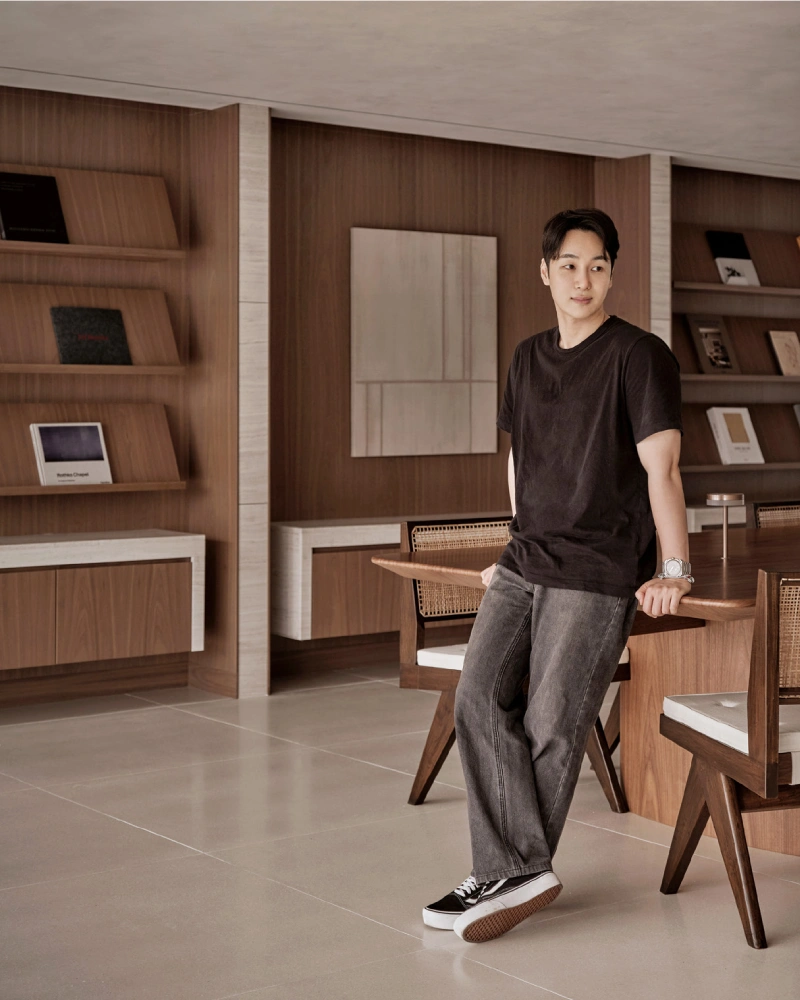





ANTONIA DA CRUZ
You moved from finance into purpose-led wellness brands. What was the turning point that made you reimagine what a successful career could look like?
I was working in coverage banking at DMG Partners & Securities in Singapore when we were acquired by RHB Bank. Competing for deal flow was challenging — especially as a smaller -tiered bank focused mainly on Singaporean and Indonesian small to mid -cap companies — so there were quieter moments in the day. For the first time in my career, I could slip out to the gym on my lunch break, which felt like a luxury compared with my previous broking role at CLSA.
One afternoon, my boss looked at me and said, half-joking but also quite directly: “You like going to the gym so much, why don’t you go work at the gym?” That comment planted the seed for GuavaPass. I’d already been going to Tuesday spin classes with the co -founder, Rob, who shared his vision for building something like ClassPass because the market clearly needed more flexibility. People wanted better, more varied workout options without being locked into long -term contracts.
Soon after, I moved back to Hong Kong to become GuavaPass’s general manager. Startup life felt far more engaging and energising, and I was literally getting paid to go to the gym and be healthy. We had a great time building the business, and it completely shifted my idea of what work could feel like. After that, I realised I couldn’t go back to a traditional corporate environment.
You completed the EKAA Level 5 hypnotherapy course. How has this shifted your own understanding of wellness, and in what ways do you see it helping people to create sustainable changes in their lives?
Hypnotherapy has given me a completely different lens on wellness. In popular media it’s often portrayed negatively — people joke that once you’re ‘under’ you’ll end up acting like a chicken — but in practice, what I’ve seen is the opposite. I’ve witnessed profound shifts in people, including breakthrough moments that feel genuinely life changing.
One client carried a core belief of “I am not heard”. Through regression, we traced that belief back to the time of her birth, when she was placed to the side and ignored because her mother needed urgent medical care. In another case, a woman’s allergy to milk led us back to her school years, where bullying by classmates — and, sadly, by her own family — eventually escalated into abuse. In both sessions, there were tears, emotional release and a powerful exchange of energy. Most importantly, there were clear realisations that brought the ‘why?’ behind long-held patterns to the surface.
From ages 0 to 7, you form a ‘critical filter’, a period when everything is absorbed into the subconscious as absolute truth. Hypnotherapy works with this developmental principle, helping to bypass the adult critical filter and reframe limiting beliefs or early-life traumas stored in those formative years.
I also appreciate how the first session typically ends with positive affirmations that you repeat for the next 21 days, roughly the amount of time it can take to help build a new neural pathway. The overall experience is cathartic and deeply healing, and I can’t recommend hypnotherapy enough for anyone ready to work at the root level of their wellbeing.
How has reiki influenced your view of energetic health, and what kinds of physical or emotional shifts do you most often see in people who practice or receive it?
Reiki has completely reshaped how I think about energetic health. The practice is based on the idea of drawing universal energy through the crown chakra and channelling it through the hands to deliver healing to different areas of the body. It’s described as holistic because it’s intended to support the body, mind and spirit — not just physical symptoms.
I practised reiki up to level two, but didn’t personally experience dramatic shifts, though that may be because I wasn’t dealing with intense physical pain at the time. Reiki also reinforced my belief that everything is connected to energy. One book that particularly stayed with me is The Hidden Messages in Water, which explores
how water may respond to human words, emotions and thoughts. In experiments, water exposed to positive influences formed clearer, more harmonious patterns, while water exposed to negativity appeared fragmented. This idea mirrors the law of attraction: when you consistently focus on positive intentions and emotions, you’re more likely to cultivate constructive outcomes and help manifest your goals over time.
How has your work at IM8 influenced your wellness philosophy and lifestyle?
I love how IM8 simplifies wellness: it’s one comprehensive supplement instead of a handful of pills. The product is also NSF Certified for Sport, meaning it’s tested and free from more than 280 banned substances, heavy metals and contaminants. IM8 feels like a truly ‘all-in-one’ approach. After taking it consistently for just one week, I noticed a tangible increase in my energy levels. Now that I’m in my forties, my focus has shifted toward prevention and optimising my health. I’ve built a routine aimed at higher daily energy, better sleep and more resilient stress management, combining adaptogens with quality nutrients. It also eases the pressure of trying to eat perfectly every day, because I know I’m consistently supporting my body from the inside out.
What is wellness to you?
Wellness, to me, is about becoming the best version of myself by caring for my mind and body so I can make intentional decisions, build supportive habits and show up fully for myself and my family.
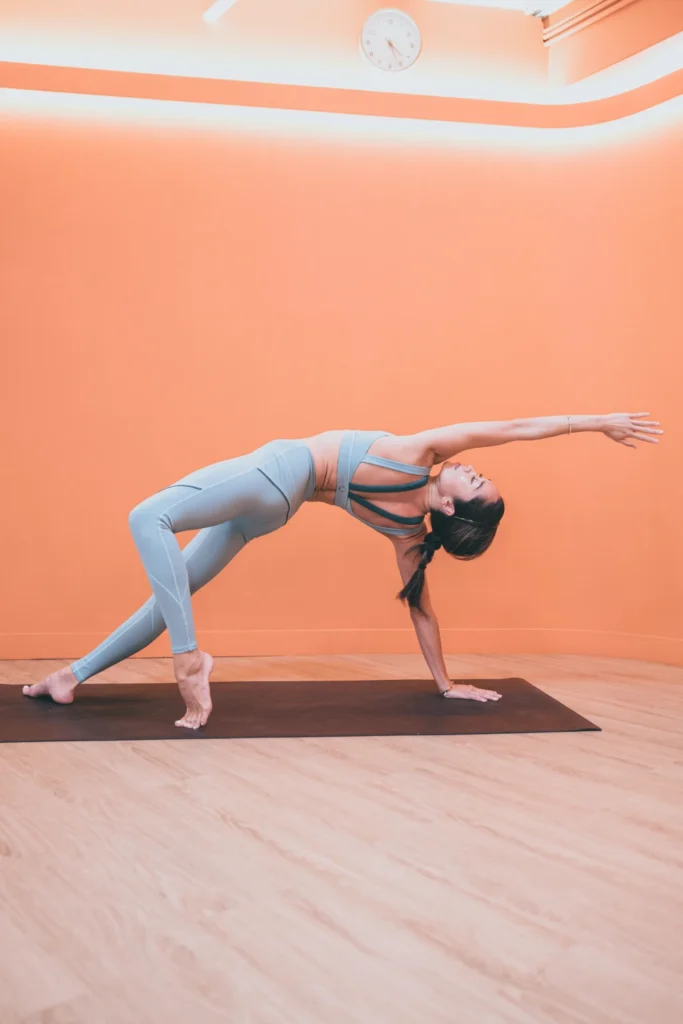
‘Wellness, to me, is about becoming the best version of myself by caring for my mind and body so I can make intentional decisions, build supportive habits and show up fully for myself and my family’