For decades, the beauty industry was built around correction. Products promised to conceal, perfect, erase or fix, often suggesting that our face, skin or body needed constant adjustment to meet an ideal.
The language was revealing: beauty was framed as a pursuit of flawlessness, and the very products meant to help us get there often suggested that what was natural was never quite enough.
That conversation is now changing, thanks to a growing number of brands that are moving away from the idea that beauty should be about transformation. In its place has arisen a proposition for something more: beauty as affirmation, as ritual, as self-expression and as care. The emphasis is no longer only on how a product performs, but on how it makes the person using it feel, and what values it reinforces.
Some do this through language, placing words of encouragement directly into product shade names, affirmations or brand messaging. Others shift the focus toward barrier support, skin health and gentle formulas, reframing beauty as a daily practice of self-love rather than correction. Some also connect to wider ideas of inclusion, accessibility and community, suggesting that feeling beautiful is also about feeling seen.
What emerges is a different philosophy of beauty altogether. The goal is no longer to become someone else; it is to feel happier being yourself.
Language as Emotional Design
One of the clearest signs of this shift is language. Instead of relying on the old vocabulary of “perfection,” many brands now reach for words tied to individuality, encouragement and emotional wellbeing.
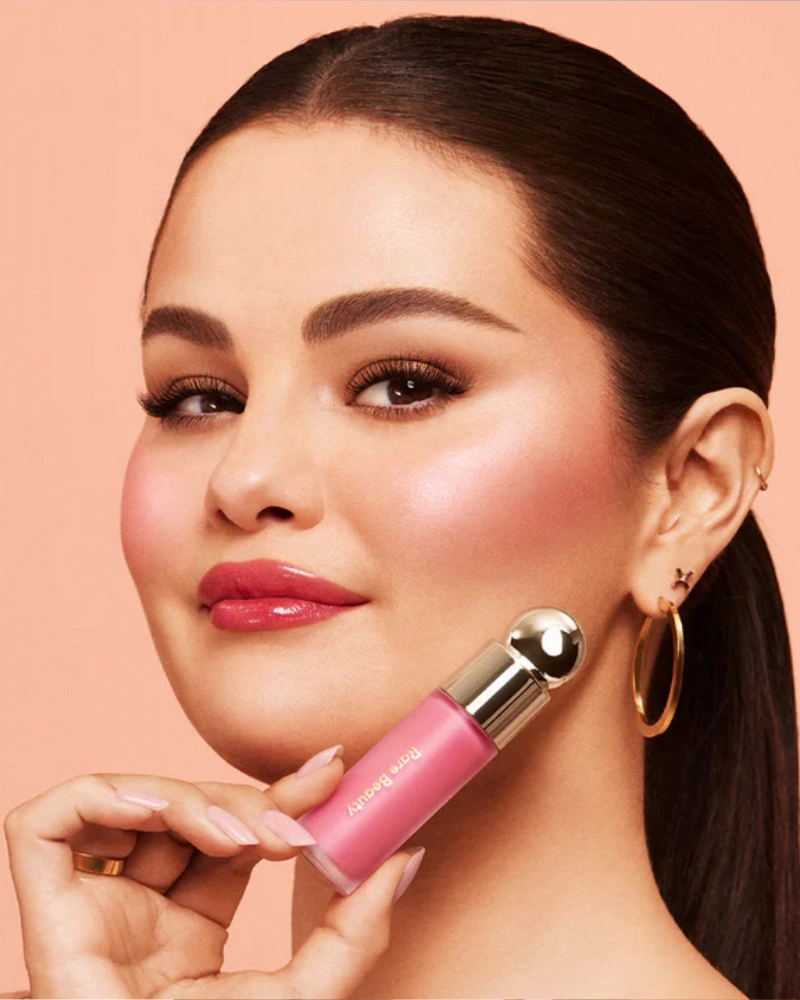
Rare Beauty is one of the most visible examples. The brand defines itself as breaking down “unrealistic standards of perfection” and describes its products as makeup in which to feel good, “without hiding what makes you unique.” Its messaging consistently returns to the idea that beauty is not about becoming someone else, but about being who you are.
Founder Selena Gomez has said she wanted Rare Beauty to be more than a beauty label and to help people stop comparing themselves to one another and start embracing their own uniqueness. “Being rare is about being comfortable with yourself. I’ve stopped trying to be perfect. I just want to be me,” the famous artist with over 415 million followers on IG stays.
That philosophy extends beyond branding. Rare Beauty states its mission is to help people celebrate their individuality by redefining what beauty means, while promoting self-acceptance and making people feel less alone.
The company also links its identity to mental wellbeing, positioning beauty as a safe and welcoming space across age, gender identity, sexual orientation, race, cultural background, physical or mental ability and perspective. Its Rare Impact Fund receives one percent of annual sales in support of expanding mental health services in underserved communities.
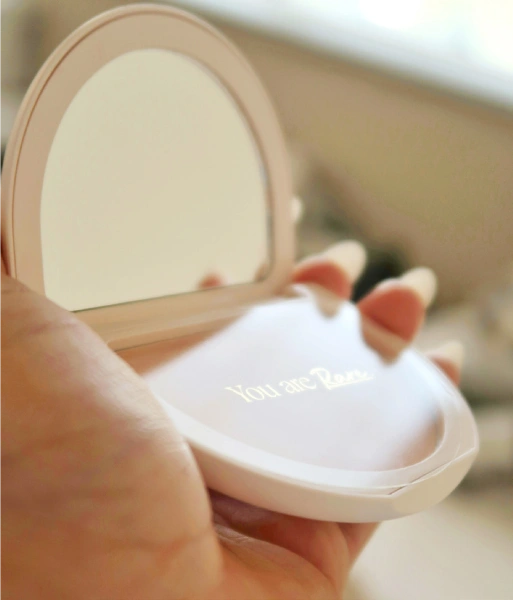
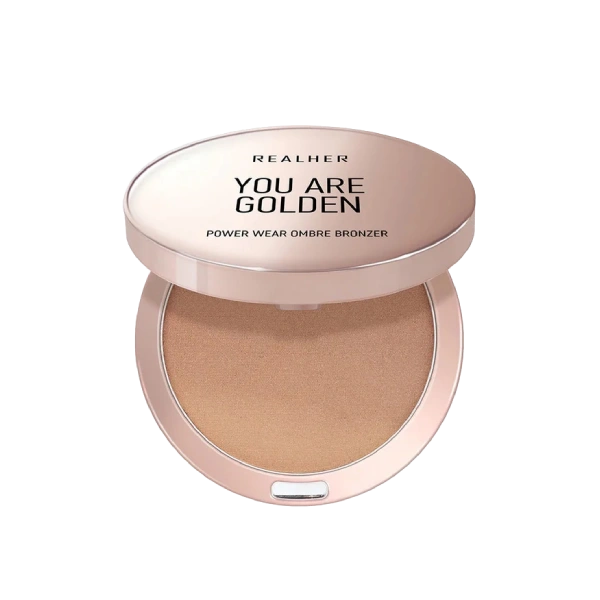
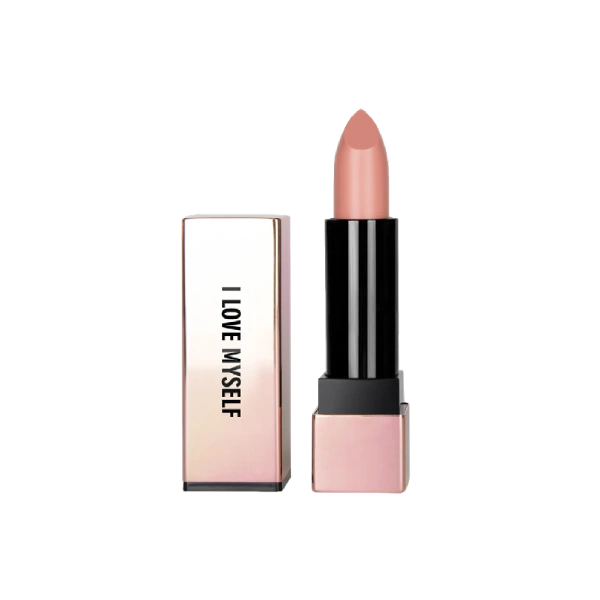
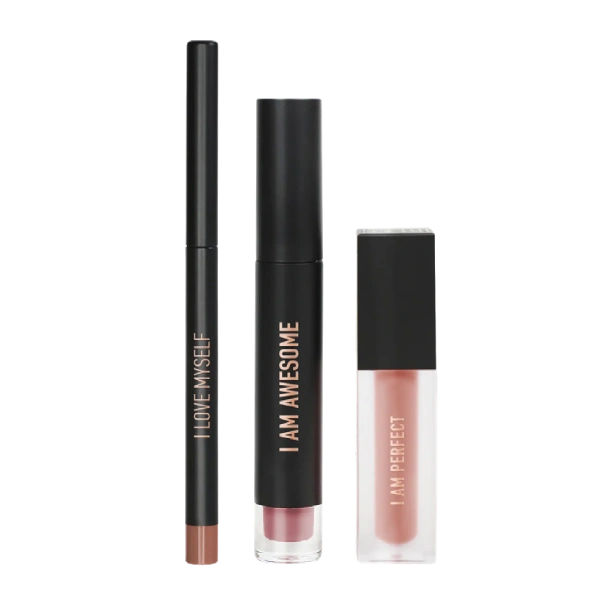
REALHER approaches the same idea from a different angle. The brand presents itself as a form of self-expression and emphasises that the only rule is to wear makeup however you want. Its products are built around positive affirmations, with the company explaining that every item is intended to enhance both inner and outer beauty and motivate a personal journey.
Its mission is explicit: to empower people through makeup, with each shade name acting as a reminder of how amazing the wearer already is. The origin story reinforces that position. Founder Bill Xiang created the brand after the birth of his daughter, motivated by a desire to challenge traditional beauty standards and reject the pressure, especially on young girls, to fit into a certain mould. REALHER insists that it is not here to alter appearances, but to inspire people to embrace what makes them unique.
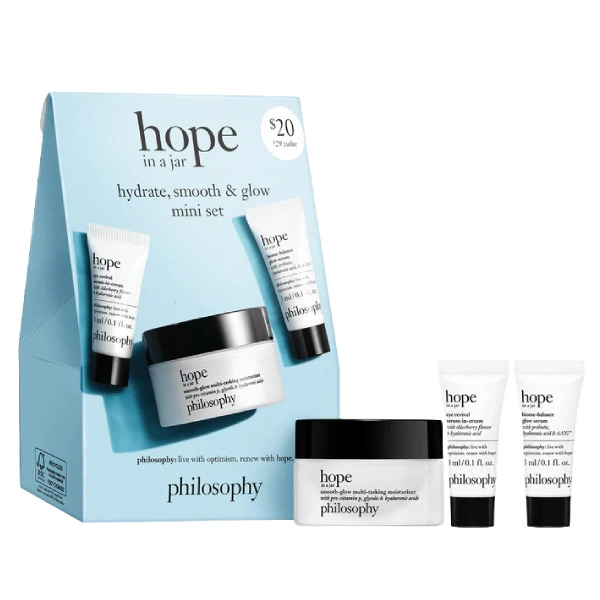
Philosophy, meanwhile, has a language more rooted in skincare science. Its formulation principles focus on long-term results without irritation, combining dermatologic performance with “feel-good textures” because, as it puts it, efficacy works better with joy.
The brand’s purpose is equally telling: what is good for the skin and body should also be good for the mind and for the planet. Since 2014, its Hope & Grace mental health initiative has donated US$6.7 million dollars through 116 grants to 78 organisations, based on the belief that skin health and mental wellbeing are closely linked.
Together, these brands suggest that language is no longer a decorative layer; it has become part of the product experience itself. Makeup and skincare are not only sold as tools for appearance, but as small daily reminders of self-worth, emotional care and the right to exist outside impossible ideals.
Skin First, Not Perfection
If some brands are changing beauty through words, others are doing so through texture, formulation and routine. Their message is more about making skin feel supported rather than corrected.
Glossier helped define this approach with its now-signature philosophy: “Skin First. Makeup Second.” The idea grew out of website Into the Gloss, the beauty platform that preceded the brand and showed that beauty should not be built in a boardroom, but in conversation with real people.
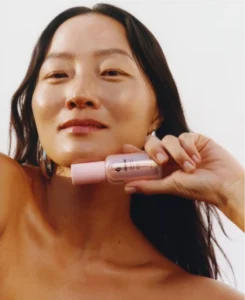 Glossier prioritises skincare because it believes healthy skin is the best foundation and describes beauty as a space for freedom of expression, individuality and fun. Its products are designed to enhance rather than mask natural beauty, encouraging the user to let their individuality shine through. The message is direct: “No matter where you are in your beauty journey, you look good.”
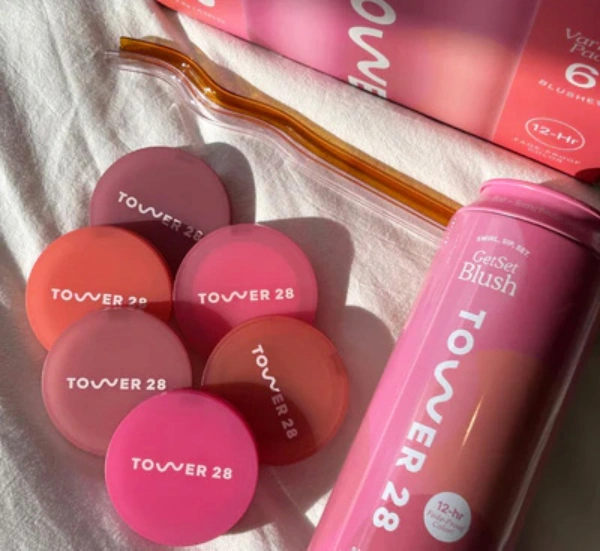
Tower 28 brings a more clinical concern into that same shift. The brand was founded by Amy Liu, who has spoken openly about living with sensitive skin and eczema and about her frustration at being limited to products that felt “boring” and clinical. Tower 28 set out to create something different: accessible, irritant-free, high-performance formulas that would still feel fun to use. Sensitive skin, the company says, is not an afterthought but the starting point for everything it makes.
That principle shapes the brand’s entire structure. Tower 28 describes itself as creating a safe space for skin, with formulas designed to meet high standards for gentleness, effectiveness and safety, backed by dermatologists, allergists and other experts. It avoids common irritants, tests its products extensively and frames its identity around three “north stars”: a safe space for sensitive skin, high-performance formulas and an Earth sensitive pledge. Beauty here is not about masking difficult skin; it is about making room for it.
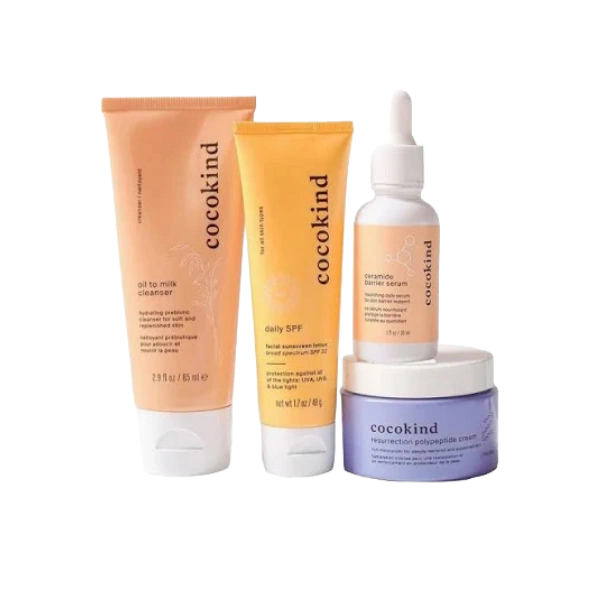
Cocokind arrives at a similar conclusion through the language of self-acceptance. “You’re enough here,” the brand states, welcoming consumers into a world of skin rooted in hydration, barrier support and botanical-forward formulas. They believe that breakouts should not be allowed to ruin a day and openly acknowledges that skincare goes far beyond the physical surface. What matters is strengthening the voice in your head that reminds you that you are enough just as you are.
Founder Priscilla Tsai connects that philosophy to her own experience of skin insecurity. She recalls never leaving the house without a full face of makeup when she was struggling with her skin and describes launching this brand to break the cycle of “aspirational beauty.” The brand positions itself as transparent about formulation, committed to gentle but effective products and determined to create a safe place in the beauty industry where people are celebrated and accepted as they already are.
What unites Glossier, Tower 28 and cocokind is a shared refusal. Skin is not something to fight; instead, it deserves support, comfort and respect. In that framework, beauty is about building a routine that feels liveable — and naturally human.
Beauty as Belonging
The shift away from flawlessness is not only personal; it is also cultural. Self-love in beauty increasingly involves broader questions of representation, accessibility and who has historically been excluded from the conversation.
LYS Beauty places that idea at the centre of its identity. Founded by Tisha Thompson, the Black-owned clean colour cosmetics brand describes its mission as championing non-conforming beauty through self-love and expression, using formulas that “your skin deserves.” The wording is carefully chosen. LYS says it’s here to celebrate exactly who you are, not to tell you who you should be.
The brand presents itself not only as a makeup line, but as a movement, one aimed at empowering and inspiring consumers through uncomplicated, skin-loving products for all skin tones, types and budgets. Its internal language makes the philosophy unmistakable: self-love is a lifestyle, affirmations are a daily practice, beauty is universal, rules are suggestions and negative self-talk is prohibited.
LYS was launched to redefine clean beauty with high-performing products for a multicultural consumer, while also insisting on accessibility through affordable pricing. Its formulas are described as enhancing — never concealing — unique attributes, and its broader brand commitments include cruelty-free and vegan standards, sustainability measures and skincare-infused formulas tailored to different textures and tones.
The company also extends its values beyond the mirror. Through the LYS Legacy Program, it supports overlooked and underrepresented communities through donations, nonprofit partnerships and community engagement. The stated aim is to foster mental and emotional wellness and to connect inner and outer beauty in practical ways. As Thompson puts it, “Giving back isn’t just a mission, it’s our enduring commitment to our Confidence Crew in a world where wellness, both inside and out, should take centre stage”.
A Different Mirror
Together, these brands point to a significant shift in the way beauty understands its role. Where beauty once leaned heavily on insecurity, it is increasingly using the language of care. Where it once promised correction, it now often promises individuality or connection.
Rare Beauty, REALHER and Philosophy show how language can soften the daily beauty ritual, turning products into small gestures of affirmation. Glossier, Tower 28 and cocokind suggest that skin needs to supported with gentleness and honesty. LYS Beauty reminds us that self-love is not only individual but collective, shaped by inclusion, visibility and the sense that beauty belongs to more people than traditional standards ever allowed.
Taken together, these approaches point to a broader cultural shift. Beauty is not only about feeling confident in your own skin, but about participating in a culture where more people can feel welcomed and represented.
Something meaningful is happening in the language and values shaping these brands. They are proposing a different mirror, one that reflects not deficiency but possibility. In that mirror, beauty is no longer an exercise in self-correction. It becomes something more sustaining: a way of returning, again and again, to yourself.