



















There are scientists who make discoveries, and then there are scientists who change the way the world thinks.
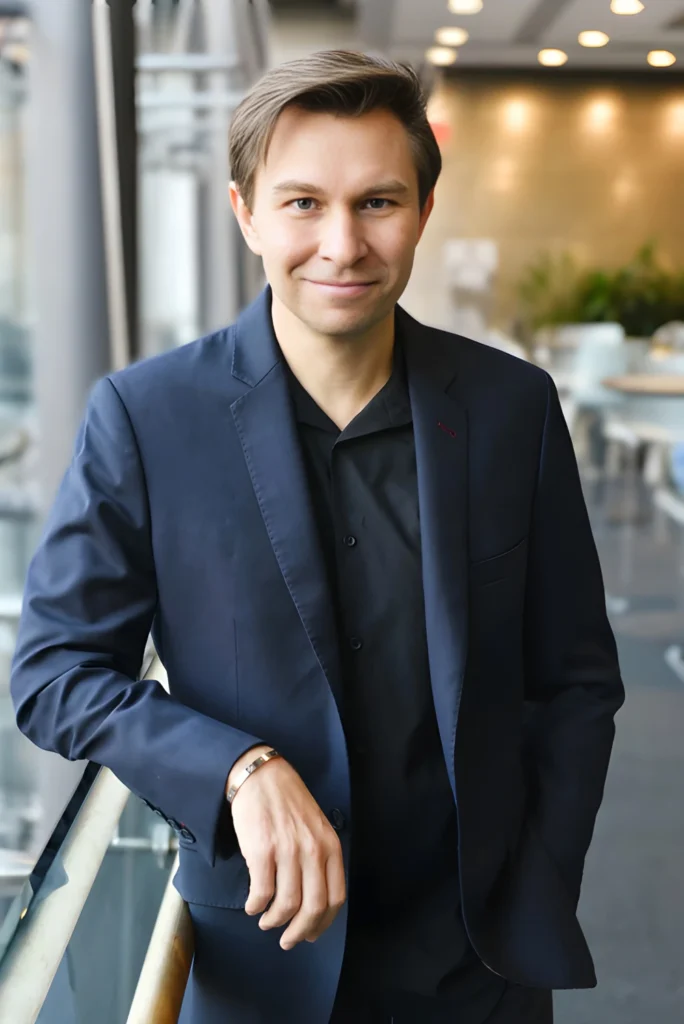
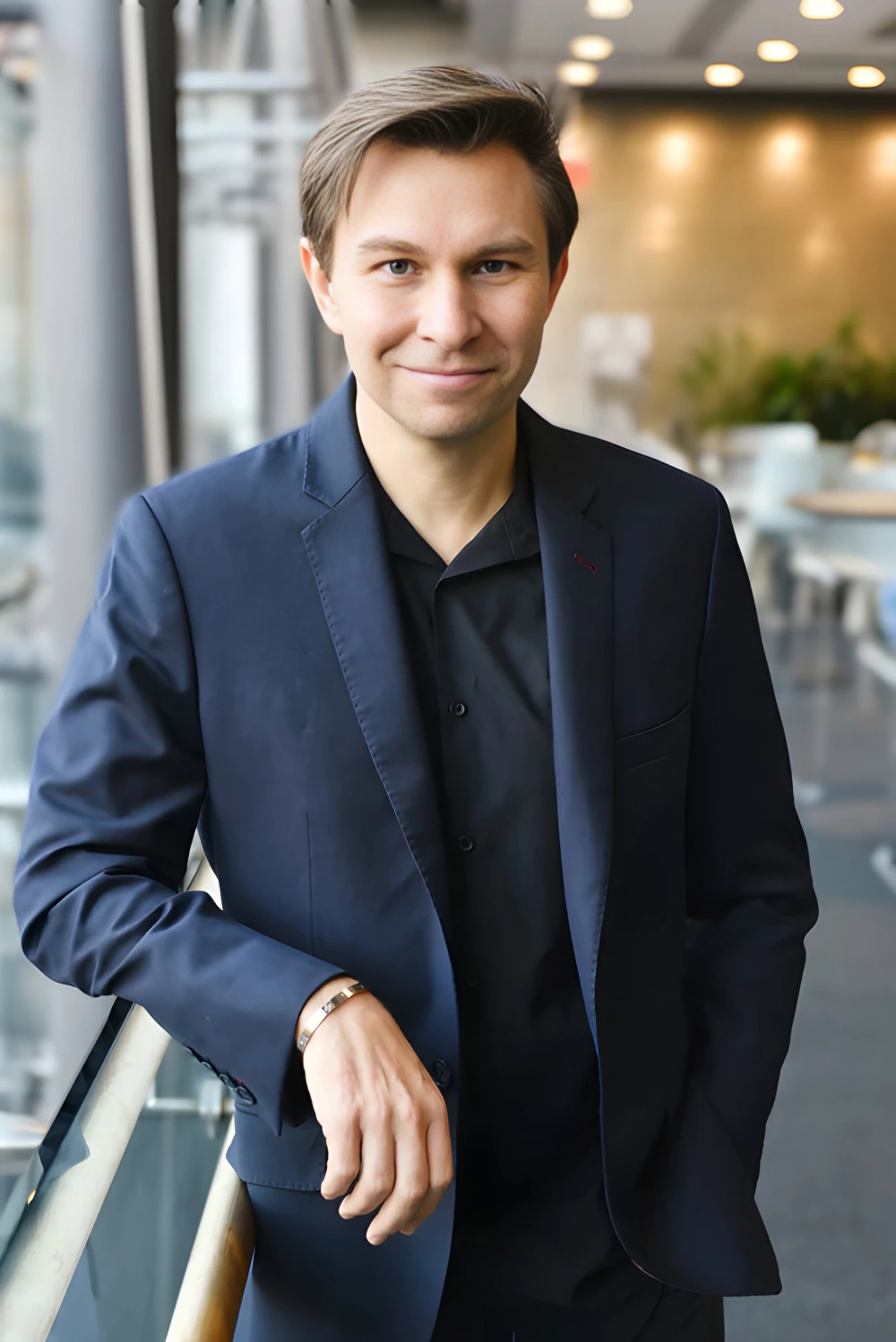
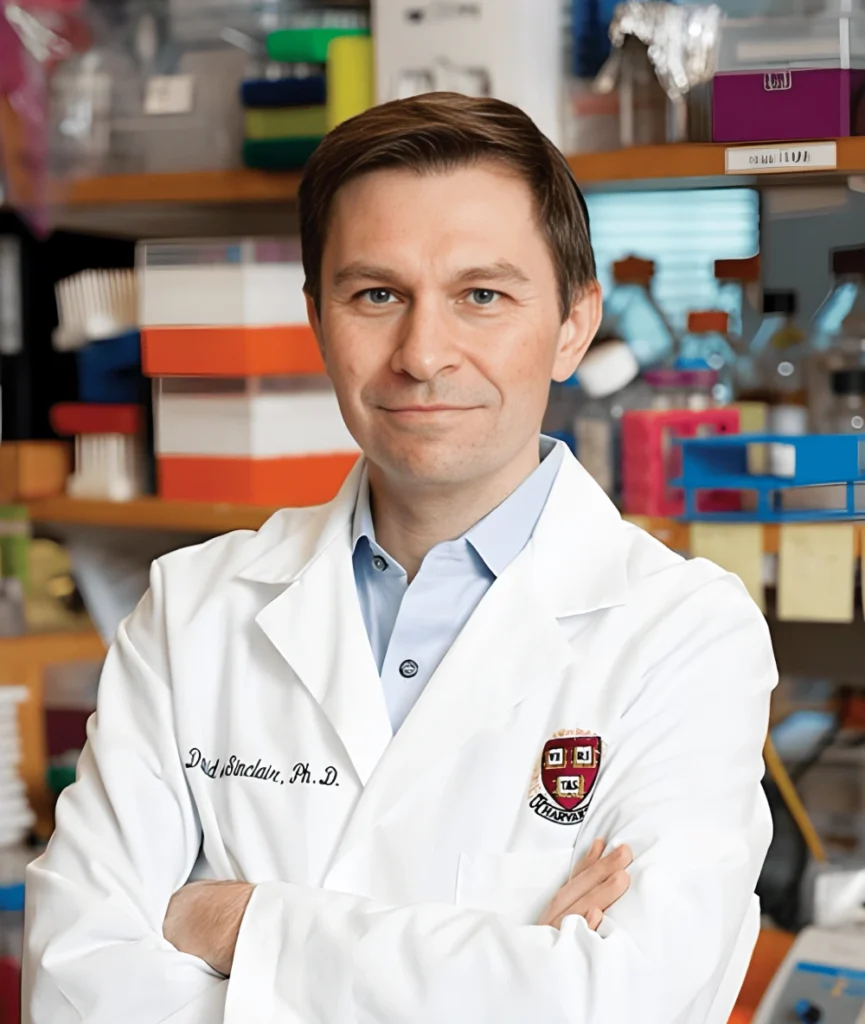
David Sinclair, a professor of genetics at Harvard Medical School and a leading authority on the biology of ageing, is one. Sinclair spoke with The Art of Wellness about the biology of ageing, cellular decline and the potential to influence how we age.
Through decades of research, Sinclair and his laboratory have explored the molecular mechanisms that influence ageing, investigating how cells lose function over time and whether aspects of that decline can be influenced.
But behind the discoveries is a deeply human ambition: not simply to extend the number of years we live, but to preserve the qualities that make those years meaningful — independence, cognitive ability, physical capability and vitality.
After decades at the forefront of ageing research, what continues to drive your work?
I became a scientist because I wanted to dedicate my life to solving problems that matter. Ageing is the greatest risk factor for diseases such as cancer, cardiovascular disease and neurodegeneration. Rather than treating each disease individually, my research focuses on understanding the biology that drives them all. One of our central discoveries is that ageing may involve a loss of biological information that regulates how our genes function. If we can restore that information, we may be able to improve cellular function and extend health, not simply lifespan.
What are the key lifestyle changes with the strongest scientific evidence that can meaningfully improve healthspan?
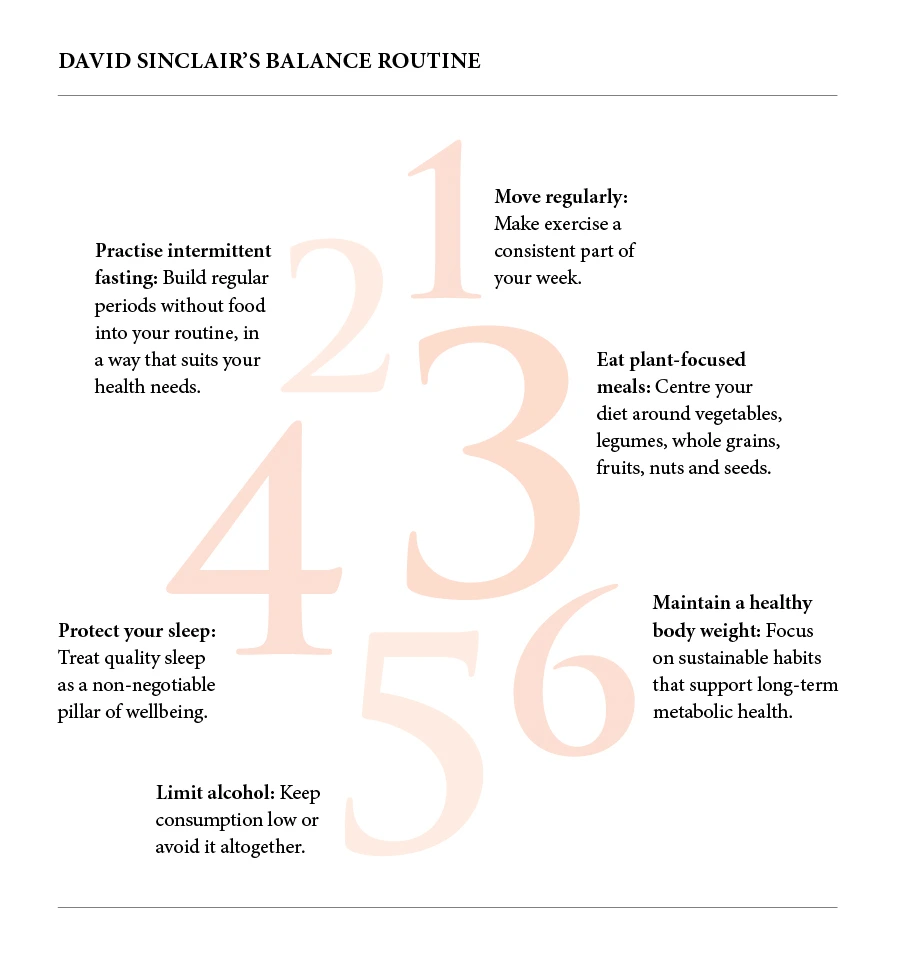
The fundamentals remain remarkably consistent. Exercise is one of the most powerful interventions because it benefits the cardiovascular system, metabolism, muscles and brain simultaneously. Good nutrition, maintaining metabolic health, quality sleep and strong social connections are equally important. These daily behaviours influence the biological pathways that regulate ageing. Before looking to future medicines, we should recognise that many of the most effective longevity interventions are already within our control.
Can you explain the difference between lifespan and healthspan, and why healthspan is really the goal?
Lifespan is simply how long we live, while healthspan is how long we remain healthy, independent and mentally sharp. The aim of ageing research is to delay the biological processes that drive decline, allowing people to enjoy more years of vitality rather than simply increasing the number of birthdays they celebrate.
Your human cellular reprogramming trial has been described as a major milestone. What is it designed to prove?
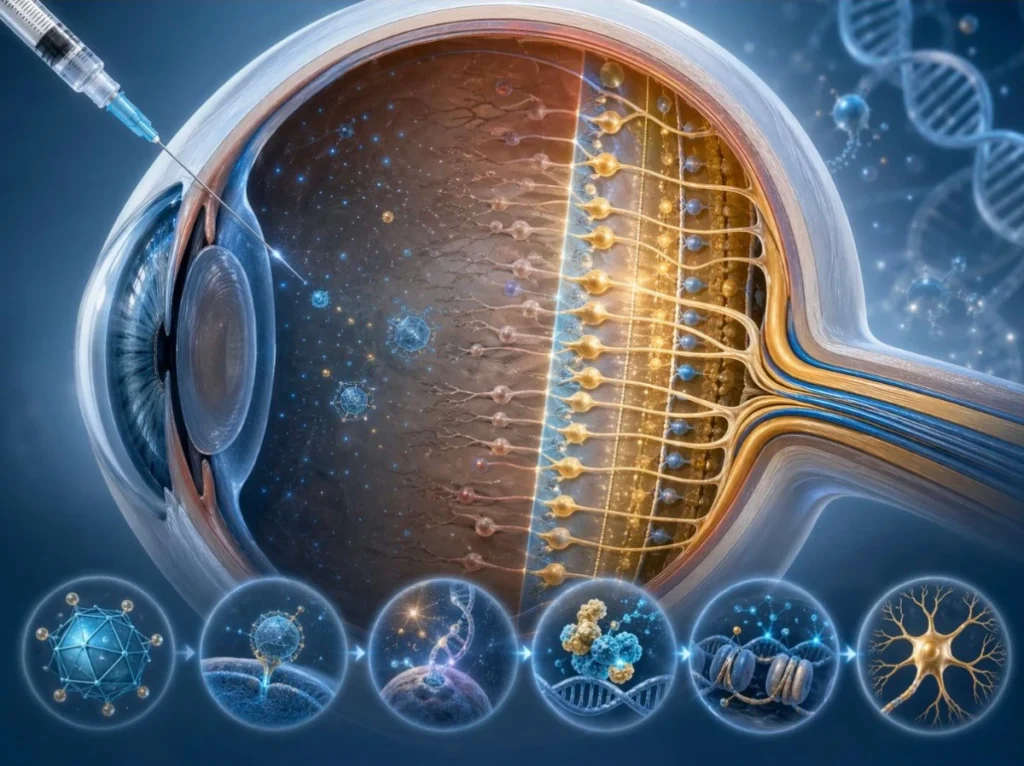
Receiving regulatory approval to begin a human clinical trial marks an important transition from laboratory science to clinical medicine. The trial is designed to determine whether partial cellular reprogramming can be delivered safely while restoring aspects of youthful cellular function in humans.
Research has shown that specialised cells can be reset using [proteins known as] Yamanaka factors, and our work focuses on partial reprogramming, which aims to rejuvenate cells without erasing their identity. The eye is an ideal place to begin because its specialised cells allow us to carefully evaluate both safety and effectiveness.
We’re also assessing biological markers that may indicate cellular rejuvenation. If successful, the study would provide the first clinical evidence that fundamental ageing mechanisms can be modified in people, opening the door to therapies that target the biology of ageing rather than individual diseases. Human trials are the critical next step in determining whether this approach can eventually become a practical therapy
‘I believe medicine is shifting towards prevention. Artificial intelligence, advanced imaging, molecular diagnostics and biological markers are allowing us to detect disease before symptoms appear’
NAD+ has become one of the biggest topics in longevity science. Can you explain what it is and why it’s so important as we age?
NAD+ is a molecule essential for energy production and cellular repair. It activates proteins called sirtuins, which regulate DNA repair, mitochondrial function and responses to cellular stress. NAD+ levels decline with age, reducing the efficiency of these protective pathways. Our research is investigating whether restoring NAD+ activity can improve cellular resilience, although this still requires careful validation in human studies.
What role, if any, do you think metformin has in extending healthy lifespan?
Metformin influences metabolism, inflammation and nutrient-sensing pathways linked to ageing. Observational studies suggest it may provide benefits beyond diabetes treatment, but these findings do not prove cause and effect. Clinical trials such as TAME (targeting ageing with metformin) are designed to determine whether metformin can genuinely delay age-related diseases by targeting ageing biology itself. That level of scientific evidence is essential before widespread use.
As technology improves, do you think we’ll move from treating disease to detecting problems years before symptoms appear?
I believe medicine is shifting towards prevention. Artificial intelligence, advanced imaging, molecular diagnostics and biological markers are allowing us to detect disease before symptoms appear. Full-body scans may become one component of this future, but they must be combined with validated biomarkers and clinical expertise. The objective is not simply collecting more information, but identifying risk early enough to intervene before disease develops.
In 10 years from now, what do you think will be the biggest breakthrough in longevity medicine?
The greatest advance will likely be therapies that target the underlying biology of ageing rather than individual diseases. Many age-related conditions share common biological mechanisms. If we can safely influence those mechanisms, we could delay multiple diseases simultaneously. That would fundamentally transform medicine from treating illness after it appears to preserving health throughout life.
‘The greatest advance will likely be therapies that target the underlying biology of ageing rather than individual diseases. Many age-related conditions share common biological mechanisms. If we can safely influence those mechanisms, we could delay multiple diseases simultaneously’
How do you manage stress while balancing the demands of leading a research laboratory, building companies and communicating complex science to the world?
Not all stress is harmful. Chronic psychological stress can accelerate biological ageing, but short-term challenges such as exercise, fasting, heat and cold exposure activate protective pathways that strengthen the body. This concept, known as hormesis, teaches us that resilience comes from controlled challenges rather than avoiding stress altogether.
What is wellness to you?
Wellness is about preserving function. It means maintaining physical strength, cognitive ability and independence for as long as possible. The ultimate goal of longevity science is not simply adding years to life, but adding healthy, productive and meaningful life to those years.