





Wellness is often sold as an escape: a reset button, a weekend away, a clean break from an overfull life. But the most compelling wellness narratives now advocate designing a life you no longer need to run away from.
Translating Heritage into Modern Form
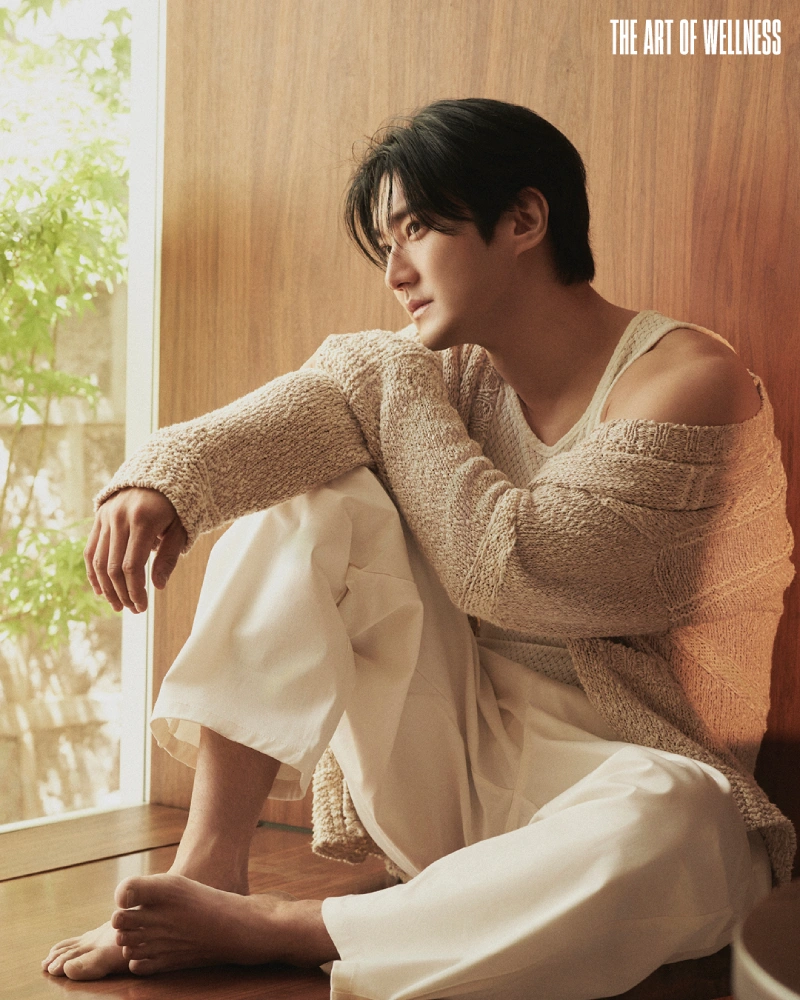
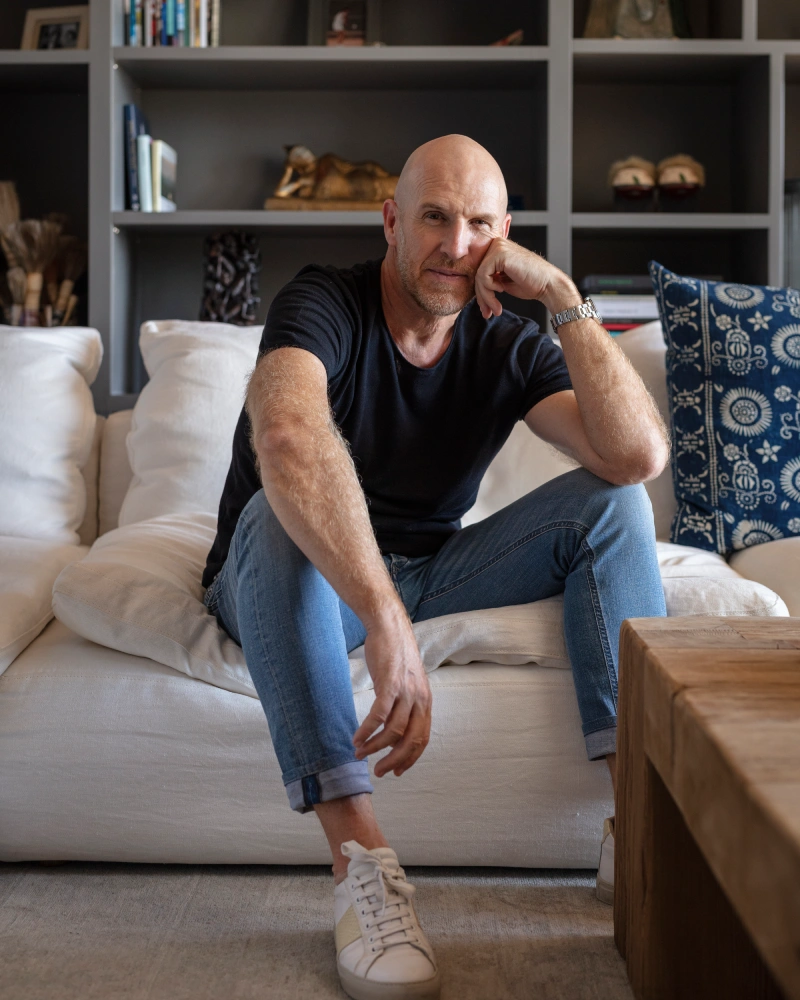
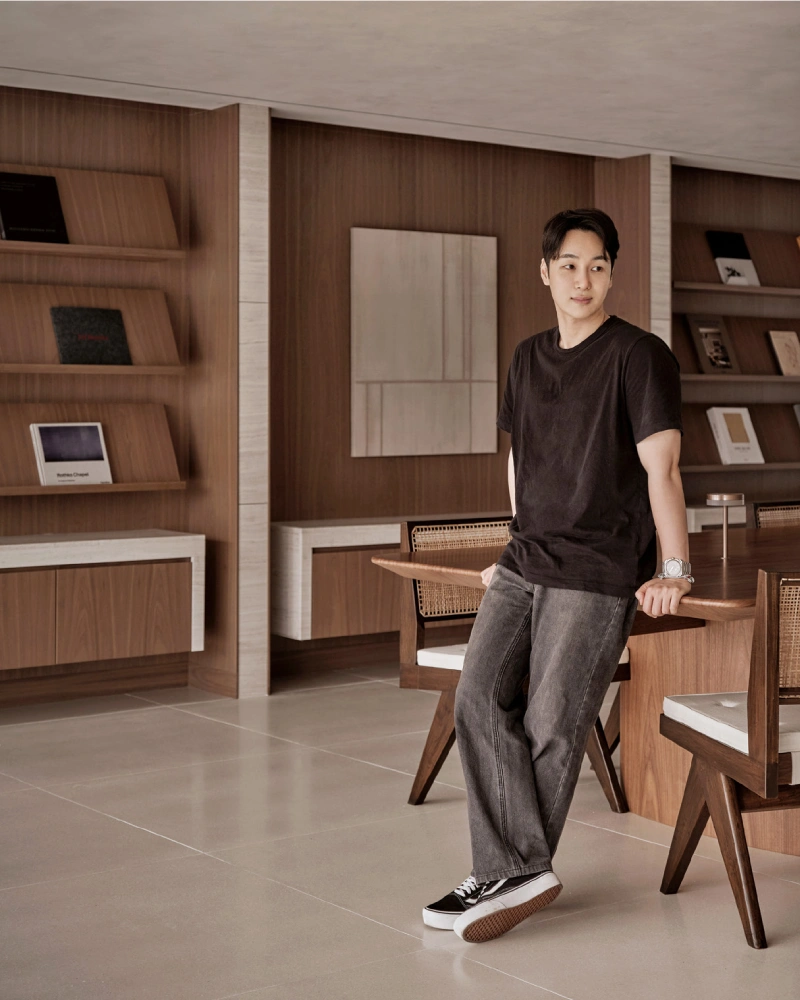
Based in Seoul, Yang heads Teo Yang Studio, known for interpreting Korean tradition and heritage through a contemporary design language. Past projects include the National Gyeongju Museum and the National Hangeul Museum in the South Korean capital, as well as revamps of hanok, the traditional Korean house. Yang is also the founder of the furniture brand Eastern Edition, which places traditional Korean craftsmanship front and centre.
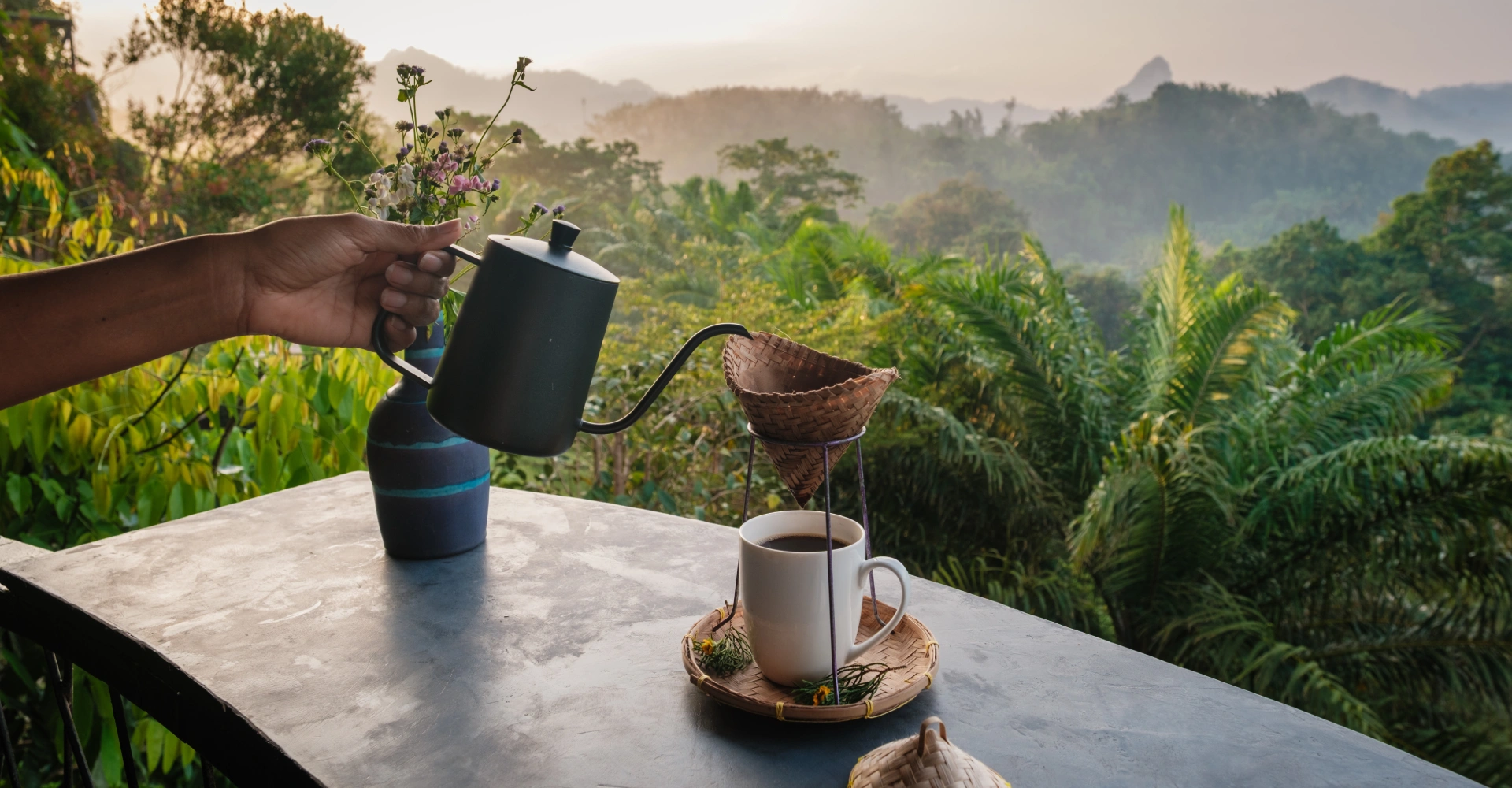
Yang’s response to modern life’s constant acceleration is to incorporate rest back into the design of the ordinary. “I try to create multiple points of rest within a single space — a living room with a generous sofa where light and shadow enter naturally; a bathroom with music and a fireplace that allow you to slow down; a small corner dedicated to preparing warm, fragrant tea,” he says. “When a home contains these layers of rest, it no longer feels like a place to escape from. It becomes a place to stay, to recover and to recalibrate.”
The Invisible Language of Comfort
There is a temptation to interpret wellness design as an aesthetic — neutral palettes, costly minimalism and a serene sameness. Yang is more interested in what cannot be photographed: the invisible design decisions that shape how one feels in a room. These include windows that promote air and light circulation, or materials that soften contact between cold floors and bare skin, such as “carpets placed with intention”, as Yang describes. “These decisions are not dramatic, but they directly affect physical comfort,” he adds. “When the body feels at ease, the mind follows.”
That body-first logic also informs how Yang uses scent, texture and colour — sensory elements that can restore or overstimulate, depending on how they are layered. “I consider them very important elements, although they should not compete. I prefer to introduce them carefully, one or two at a time, with restraint.” He likens his process to directing a play, where each element enters with its own character and gesture. “When these elements are selected with clarity and moderation, the atmosphere becomes intentional rather than decorative.”
Turning Philosophy into Everyday Edits
Yang translates his design philosophy into actionable cues — small, meaningful midweek edits:
- Remove objects that are unnecessary or inconsistent with your values
- Allow natural light and shadow to enter your space more intentionally
- Introduce one craft object that preserves nature’s material essence
If these gestures seem old-fashioned in their simplicity, Yang insists they align tradition and technology rather than oppose them. “Tradition is the spirit; technology is the tool,” he says. “To me, they are not opposing forces. They should move together.”
Three Quiet Principles
Asked what details quietly express his philosophy at home and in the studio, Yang returns to three principles that also double as wellness cues:
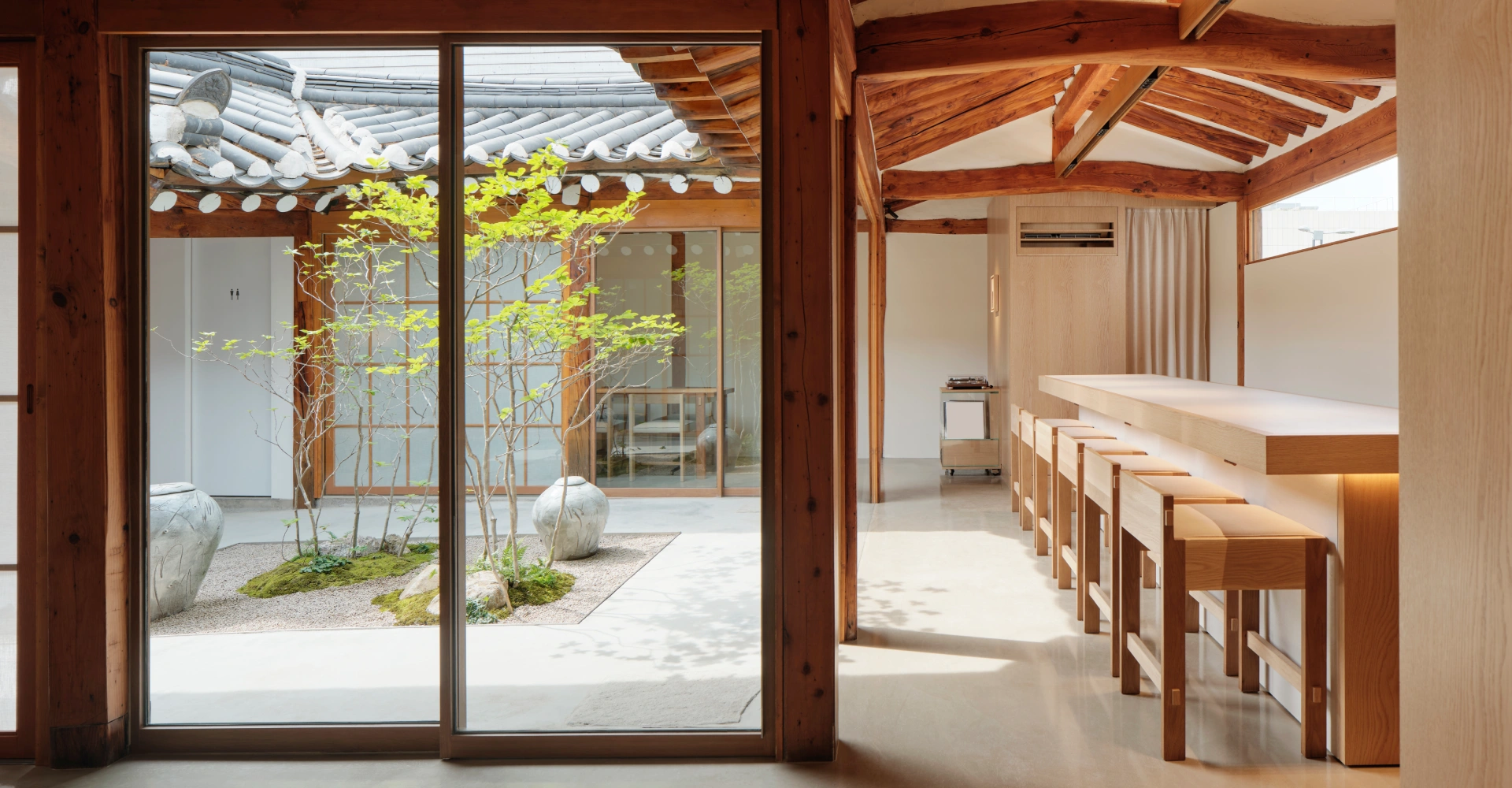
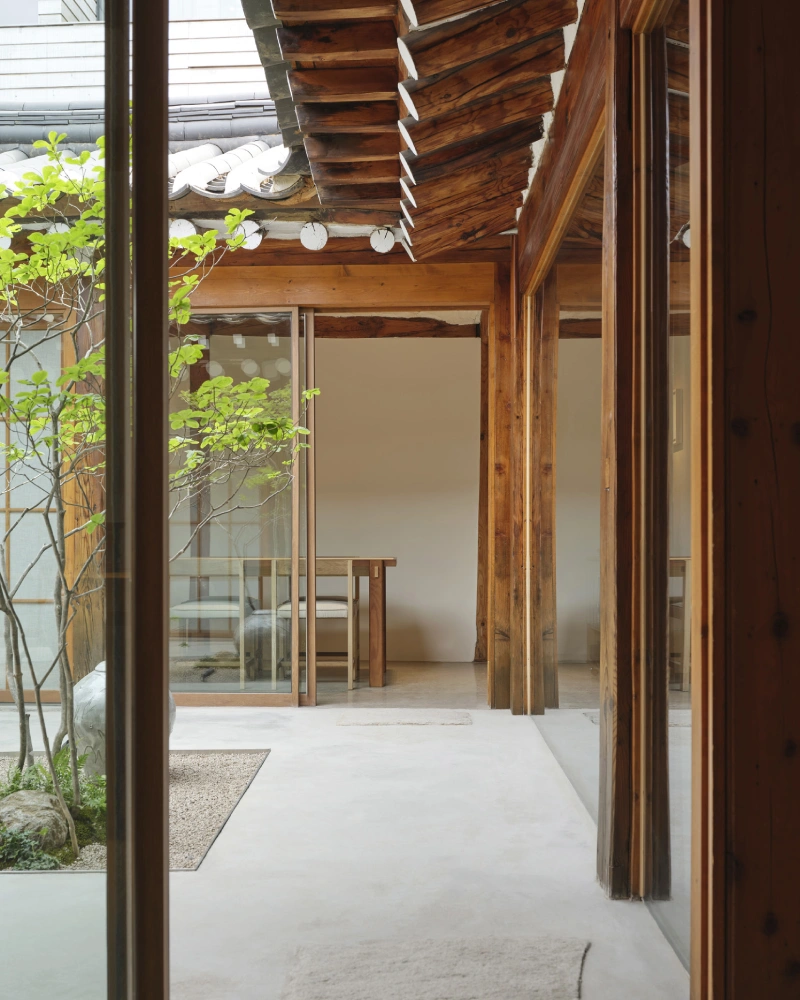
- Closeness to nature: “In traditional houses, a courtyard is visible from many rooms. Trees and sunlight naturally occupy a large portion of the spatial experience. I value that relationship.”
- Emptiness: “Rather than filling a space, I curate only the objects I value most. It is a deliberate reduction.”
- Dynamic stillness: “When nature and carefully chosen objects coexist, the space appears calm — but internally, it generates energy and a sense of quiet joy.”