












There are seasons of travel designed to dazzle, and seasons that quietly restore, unfolding slowly through lineage, ritual and a respect for balance that predates modern wellness trends by centuries.
Across Asia, some of the world’s oldest healing traditions endure as deeply personal practices, not spectacles for visitors, best experienced where privacy, restraint and mastery take precedence over novelty.
For the luxury traveller seeking earned, rather than marketed, renewal, these traditions offer something rare: a recalibration that honours the body’s rhythms rather than forcing change. From China’s understated clinics to Japan’s minimalist sanctuaries and Indonesia’s royal herbal heritage, this is wellness at its most refined: intimate, intentional and quietly transformative.
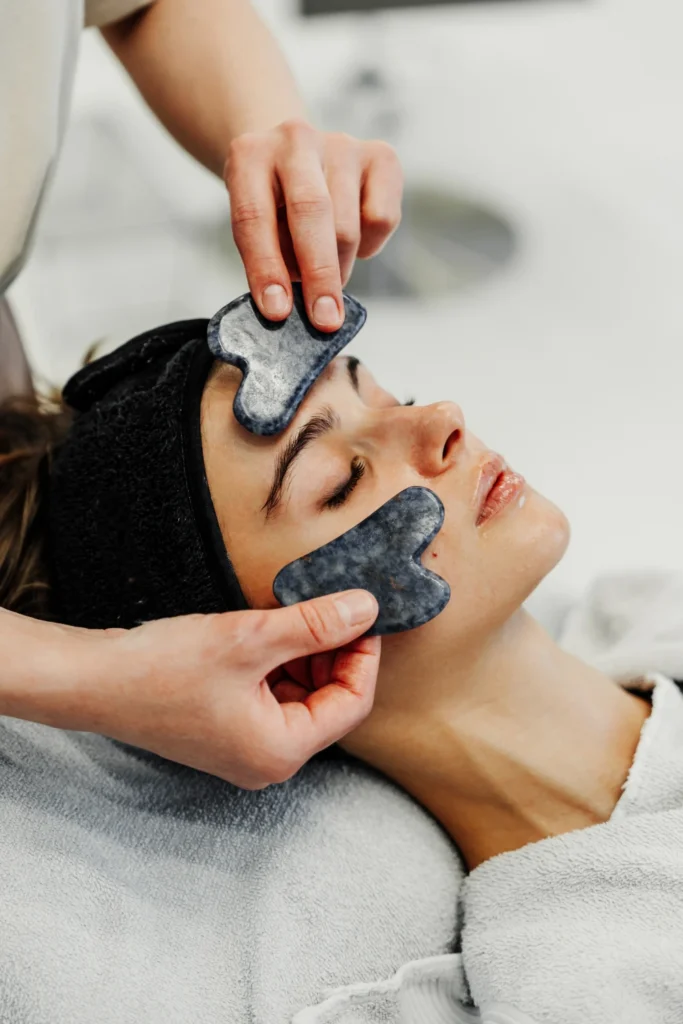
CHINA: GUA SHA AND THE ART OF READING THE BODY
In the West, gua sha has been reduced to a quick facial technique, self-administered and rushed. In China, it remains what it has always been: a diagnostic and therapeutic art rooted in traditional Chinese medicine (TCM), practised by clinicians who read the body as carefully as a map.
In Beijing and Shanghai, discreet private TCM clinics, often hidden behind unassuming doors, offer gua sha facials as part of a broader constitutional assessment. The experience begins not on the treatment table but in conversation, with pulse reading, tongue observation and detailed questioning guiding the practitioner towards understanding internal imbalances before the ritual begins.
Using smooth jade or bian stone tools, the practitioner works methodically along the face and neck, applying oils infused with traditional herbs. The strokes are deliberate, never rushed: not aimed at instant results or dramatic sculpting, but encouraging circulation, releasing stagnation and supporting long-term vitality. The space is hushed, the lighting soft, the pace slow.
Luxury here is defined by time and expertise: appointments limited, sessions private, the sense of being genuinely observed — rather than processed — lingering long after the treatment ends.
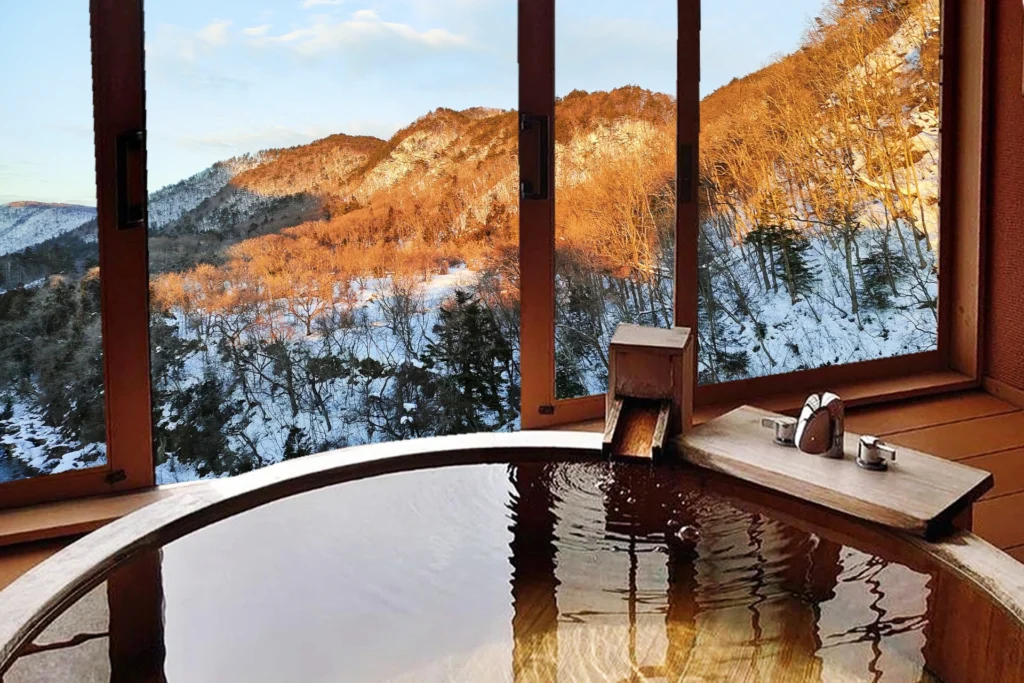
JAPAN: PRECISION, SILENCE AND SUBTLE RESET
Japanese wellness traditions are marked by restraint. Nothing is excessive; nothing is ornamental. Every movement has purpose, every detail intention, creating an atmosphere that feels profoundly restorative.
One of the most distinctive experiences can be found in select ryokan and wellness sanctuaries offering koso enzyme baths. Unlike mineral or thermal bathing, koso involves immersion in gently heated, fermenting plant material, often rice bran or cedar sawdust infused with natural enzymes. The body is wrapped, not submerged, allowing warmth to penetrate slowly and evenly.
The effect is subtle yet deep. Heat builds gradually, encouraging circulation and relaxation without shock. There is no music, no conversation — only silence, broken occasionally by breath. Sessions are short but impactful, leaving the body warm, grounded and remarkably calm.
Equally refined is Japanese acupuncture, practised in private clinics that favour minimalism over mysticism. The needles are finer than those used elsewhere, inserted with astonishing precision, often fewer in number and placed with exacting intention. The sensation is barely perceptible, yet profound: a gentle resetting of the nervous system rather than an overt intervention.
For the discerning traveller, Japan’s approach to healing feels less like treatment and more like alignment: quiet, focused and deeply respectful of the body’s intelligence.
‘From China’s understated clinics to Japan’s minimalist sanctuaries and Indonesia’s royal herbal heritage, this is wellness at its most refined: intimate, intentional and quietly transformative’
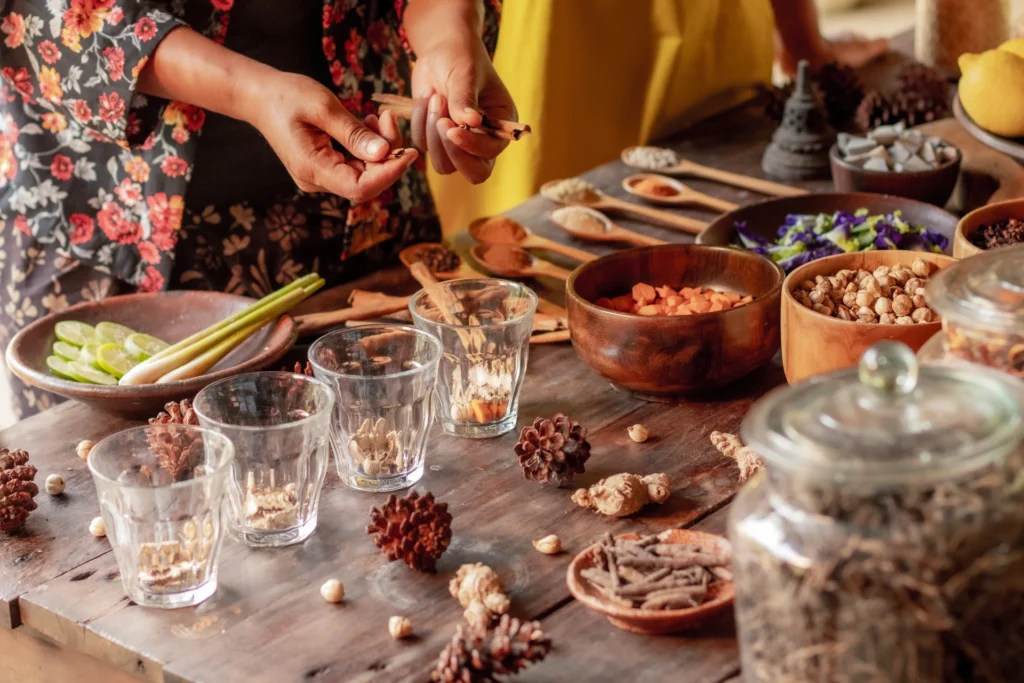
INDONESIA: JAMU AND THE LEGACY OF ROYAL CARE
In Indonesia, particularly on the island of Java, wellness is inseparable from daily life. Nowhere is this more evident than in the tradition of jamu, a herbal practice dating back more than a thousand years. Long before it became a wellness export, jamu was prepared in royal kitchens, crafted by hand and consumed as a daily act of maintenance rather than cure.
Today, a handful of heritage properties and private estates offer access to this tradition in authentic form. Ingredients, including turmeric, tamarind, ginger, galangal and aromatic roots, are ground by hand each morning following recipes drawn from palace archives and adjusted subtly to suit the individual.
Guests are invited not to “detox” but to observe ritual: the rhythm of grinding, the scent of fresh roots, the unhurried pace. The drink is taken slowly, often in a garden or private pavilion, with guidance on how it supports balance rather than promises transformation.
Luxury here lies in continuity. These are not recreated experiences but living traditions, offered with discretion and pride, a sense of being welcomed into a cultural rhythm rather than an outcome.
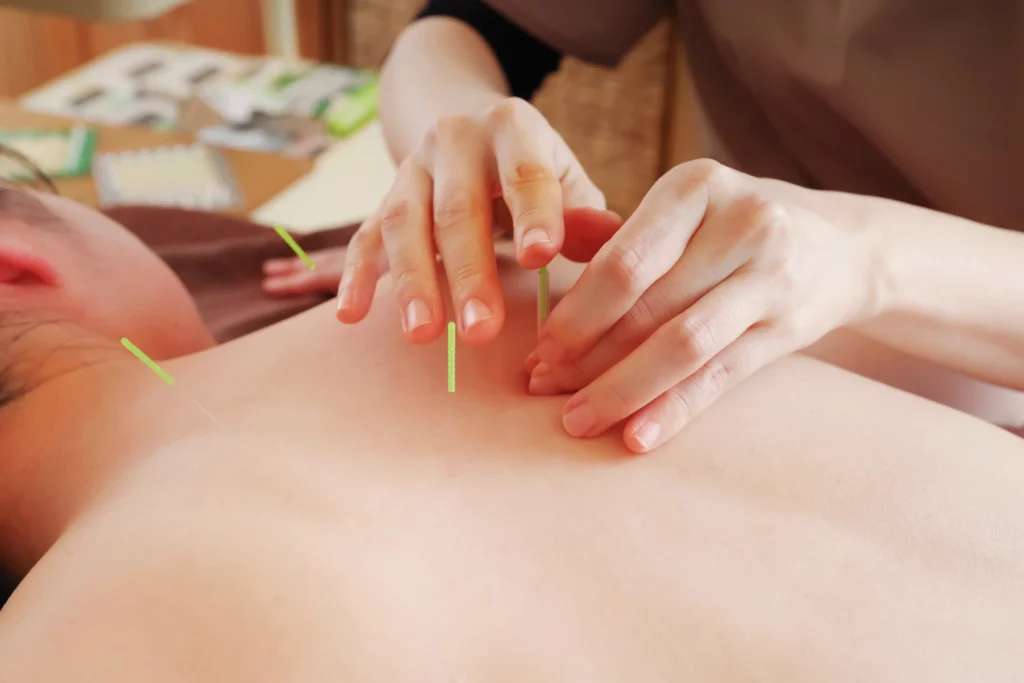
CHINA TO JAPAN: ACUPUNCTURE AS INTENTIONAL PAUSE
While acupuncture is practised throughout Asia, the experience varies by setting. In Shanghai, invitationonly clinics cater to executives and diplomats, pairing the practice with breathwork and herbal consultation in rooms that feel more like private studies than medical spaces, tea served quietly afterwards. In Japan, the experience is pared back further still: a single practitioner, a single room, minimal conversation, the focus almost meditative. In both, the value lies in intentional pause, where doing less achieves more and healing is approached as a dialogue rather than a directive.
‘Luxury here lies in continuity. These are not recreated experiences but living traditions, offered with discretion and pride, a sense of being welcomed into a cultural rhythm rather than an outcome’
CHOOSING RESTRAINT OVER SPECTACLE
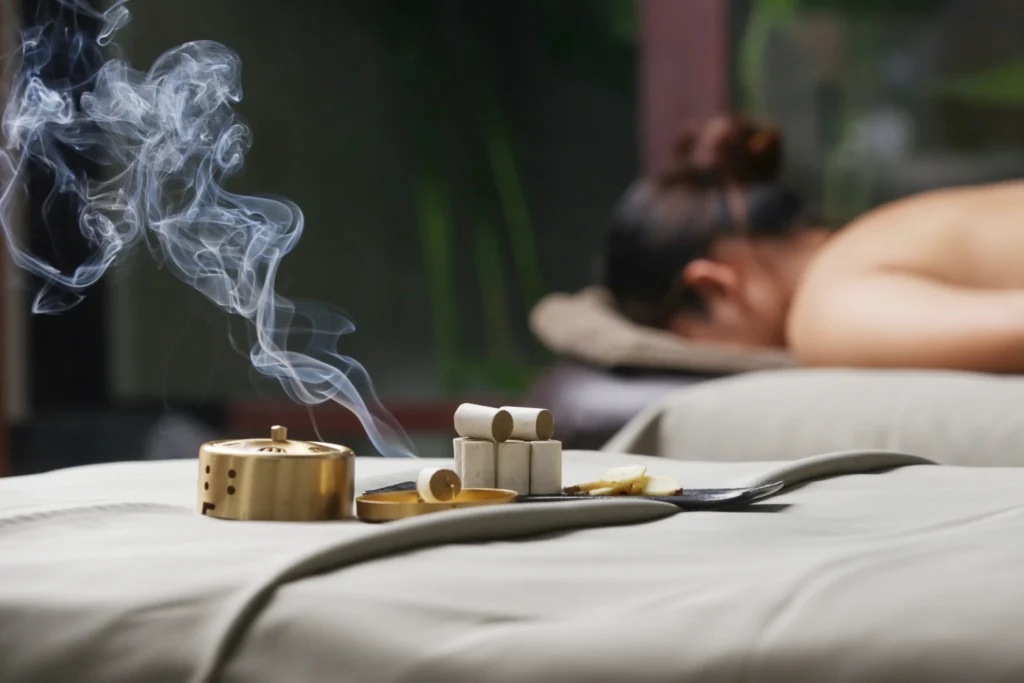
What unites these experiences across China, Japan and Indonesia is not luxury as display but luxury as discernment. These are settings that resist commodification. There are no dramatic claims, no theatrical rituals designed for social media, only lineage, privacy and a deep respect for the intelligence of ancient systems.
For travellers accustomed to the finest hotels and bespoke itineraries, these healing traditions offer something equally rare: the chance to step out of performance and into presence, guided rather than impressed, in renewal that unfolds quietly and endures long after the journey ends.
In an era where wellness is often amplified and accelerated, Asia’s most refined healing traditions remind us that true restoration is subtle and personal, best approached with humility, elevated not by reinvention but by reverence.
WELLNESS TIPS
Restorative Rituals: Asia’s Quiet Luxury
- Book private suites and extended rituals ahead of time.
- Ask about customised programmes that combine bodywork, gua sha, herbal care and meditation or tea ceremonies — this is where ancient traditions meet bespoke luxury.
- Consider pairing spa treatments with cultural experiences (tea ceremonies in Beijing courtyards, private enzyme bath sessions in Tokyo’s high-end salons, or jamu talks with naturalists in Java) to deepen the sense of place and lineage.