








Centenarians were once a rarity. But 100 candles on a birthday cake is no longer an anomaly. And as ageing matures, it isn’t so much about living longer as it is living a full life longer.

As important as investing in government pension schemes and retirement accounts during working years is, it’s also important to invest in health, real food, quality sleep, solid relationships and movement. We talk to experts in longevity, caregiving, interior design, wellness and integrative medicine across the US.
IT’S NEVER TOO LATE
“Everyday choices matter,” says Dr Michael J Hall, founder, Hall Longevity in Miami, Florida. “One imperfect meal or missed workout is rarely decisive; the effect lies in what accumulates. Years of inadequate sleep, prolonged sitting, excess visceral fat, highly processed food, chronic stress and social isolation can increase inflammation and metabolic dysfunction while gradually narrowing the reserve we need to recover from illness, injury and ageing. Conversely, consistently healthy choices can help preserve strength, cognition, mobility, metabolic health and resilience.”
Our genes may influence predisposition, but they do not operate in isolation — and they are not necessarily destiny. Nutrition, movement, sleep, stress and social connection influence how our genes function.
“Start today, as it’s never too late to begin, whether you are 50 or 90,” says Dr Gary Kaplan, founder and president of Kaplan Center for Integrative Medicine in McLean, Virginia and a clinical associate professor at Georgetown University.
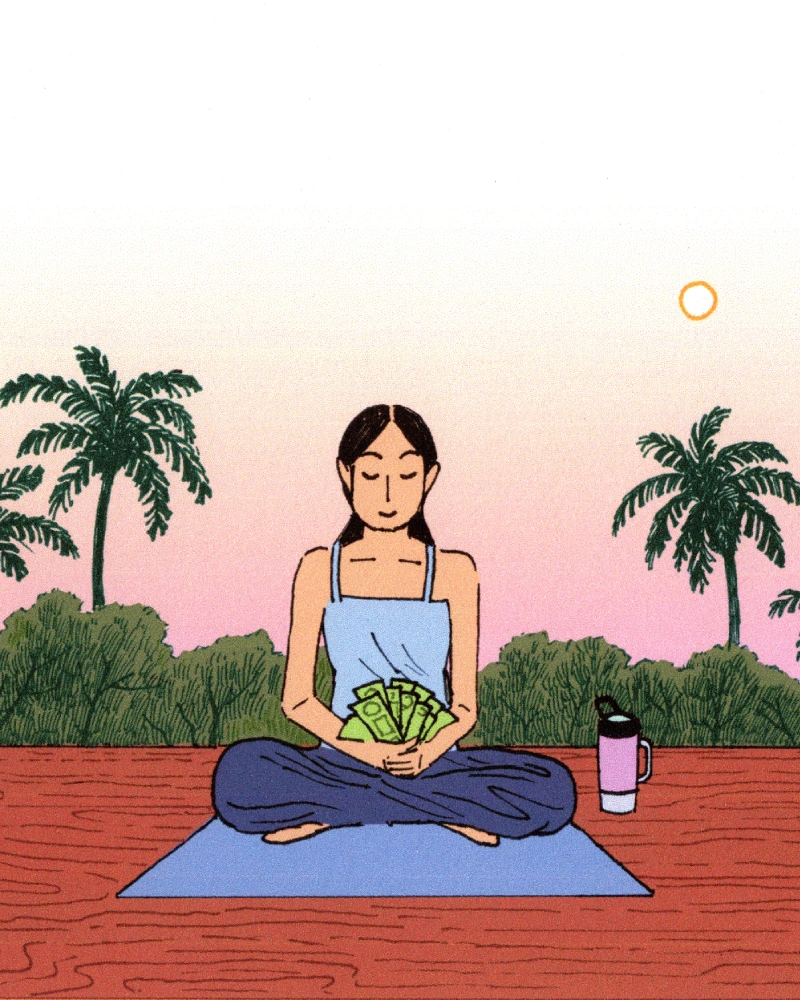
“Think of your health like compound interest: what you invest now builds on itself, year after year, so that when something does come at you, you have the reserves to recover. The question to ask today: How are you going to start saving for tomorrow? And no, it’s never too late. Wherever you are, the body rewards the investment.”
‘Think of your health like compound interest: what you invest now builds on itself, year after year, so that when something does come at you, you have the reserves to recover’
– Dr Gary Kaplan
STAYING CONNECTED
“When we talk about living to a certain age, like 100, we often focus on our physical health,” says Jennifer Szakaly, founder and CEO of Caregiving Corner, an ageing and life care company in Charlotte, North Carolina. “One of the biggest mistakes we can make as we age is allowing our worlds to gradually become smaller. We retire and lose the built-in relationships and sense of purpose that came with work. Friends move away or pass away. If we don’t replace those sources of connection and purpose, loneliness and isolation can creep in.”
Kaplan concurs. “One of the single most important determinants of longevity is how well you maintain your social connections,” he says. “Friends, family, the people around you, building and keeping those relationships matters as much as anything else on this list. As you get older it’s easy to drift toward isolation, and that’s exactly what you must guard against. Stay connected. It’s not a luxury; it’s one of the most powerful things you can do for your health.”
BACK TO BASICS
You can do full-body scans and extensive metabolic tests to determine how well you will age. But don’t ignore the obvious. “Don’t overlook the basics, they’re the foundation, no matter how sophisticated everything else gets,” says Kaplan. “Not smoking. Sleeping seven-to-eight hours a night, consistently. Eating properly and maintaining your weight. Treating your blood pressure if it’s high. Getting your cholesterol handled if there’s any risk of heart disease, so your arteries stay healthy. Getting your labs checked appropriately and aggressively treating any medical problem you do have. All the advanced longevity tools are built on top of this foundation. Get the basics right first, they’re what keep you alive and vigorous.”
‘One of the biggest shifts we need to make as we age is moving from exercising for appearance to training for independence’
– Dr Sunil Pullukat
“If the home makes it easier to sleep, move safely, connect with people we love, cook real food and step outside to see the sky, then it is actively working for our longevity instead of against it,” says Sarah Walker, founder and principal designer of Nuance Interior Design, a wellness-centred interior design studio in Bellevue, Washington.
Things to think about: step-free entries, wider paths, curb-less showers, secure handholds, adaptable rooms and lighting that reduces strain. Also important are low-VOC (volatile organic compounds) finishes, natural materials, ventilation and filtration for healthier air.
Walker emphasises touchpoints with nature, and with family and friends, as key home components. “For me, designing for longevity is not just about helping someone age in place,” says Walker. “It is about creating a home that keeps earning its keep over decades: a place that supports health, protects dignity and still feels inspiring and relevant whether you are 40, 70 or 100.”
YOU ARE WHAT YOU EAT
“What we eat repeatedly becomes both cellular fuel and biological information,” says Hall. He stresses the importance of minimally processed foods, adequate protein, vegetables, fibre and healthy fats while limiting excess sugar, refined carbohydrates and habitual overconsumption.
RETIREMENT
Retirement has changed. The days of receiving the gold watch at the end of a long career as the final curtain are no longer the norm. People are easing into retirement, with part-time jobs and even new careers.
“I encourage people to think about retirement as something they’re retiring to, not simply retiring from,” says Szakaly. “What will get you out of bed in the morning? Who will you spend time with? Where will you be needed? What are you curious about? Those questions become increasingly important if we’re fortunate enough to have 20, 30 or even 40 years after our traditional working lives end.”
SLEEP IS KEY
Brain health isn’t just about puzzles and books, says Kaplan. “It’s sleep, and I mean seven to eight hours a night, kept on a consistent schedule, because changes in your sleep will dramatically impact your overall health.”
A PURPOSEFUL LIFE
Being needed is just as important to living a purposeful life. Whether that means volunteering or caring for grandchildren, we thrive when we wake in the morning with the idea that we are needed.
“There has to be a reason you get up in the morning, because without that purpose there’s not much driving you forward,” says Kaplan. “When a traditional career ends, the purpose can’t end with it. Work, volunteering, mentoring the people coming up behind you, learning something new — whatever gives your life direction, that’s what keeps you moving.”
GET UP AND MOVE
Dr Sunil Pullukat, board certified chiropractic physician and owner of Elite Wellness North Shore in Chicago, encourages people to think of strength and mobility almost like a retirement account: what you build and maintain earlier in life gives you a much larger reserve to draw from later.
“One of the biggest shifts we need to make as we age is moving from exercising for appearance to training for independence. Muscle mass, strength, balance and mobility become increasingly important as we get older because they determine whether we can continue doing everyday things on our own like getting off the floor, carrying groceries, climbing stairs, travelling or playing with grandchildren.”
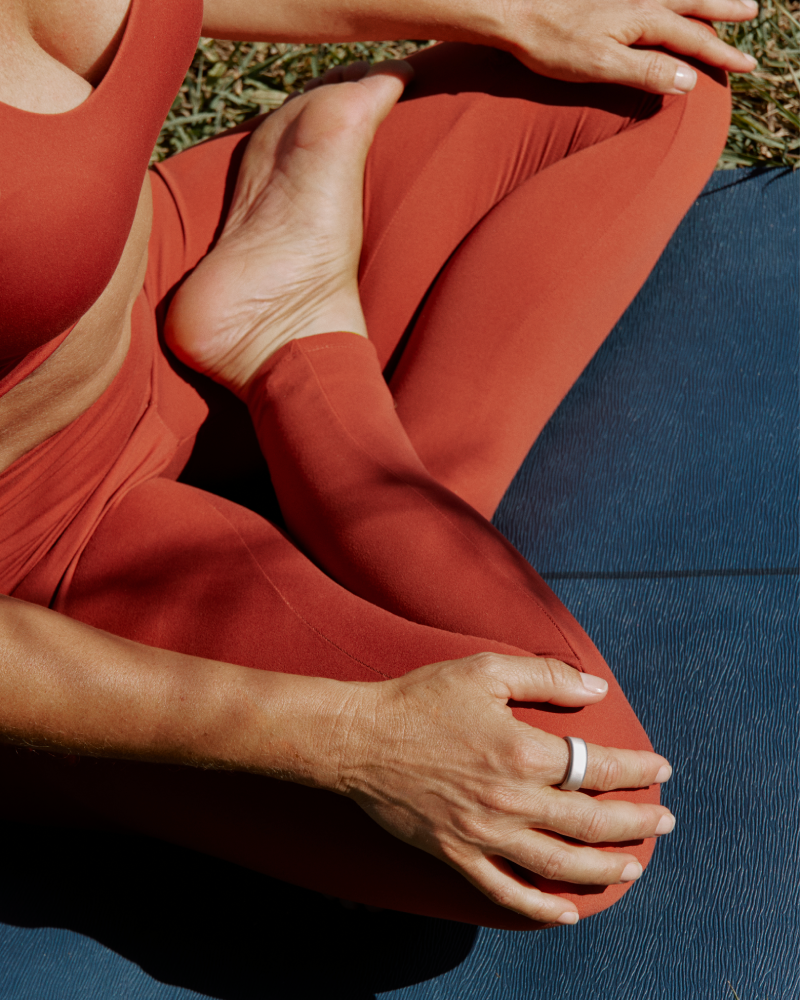
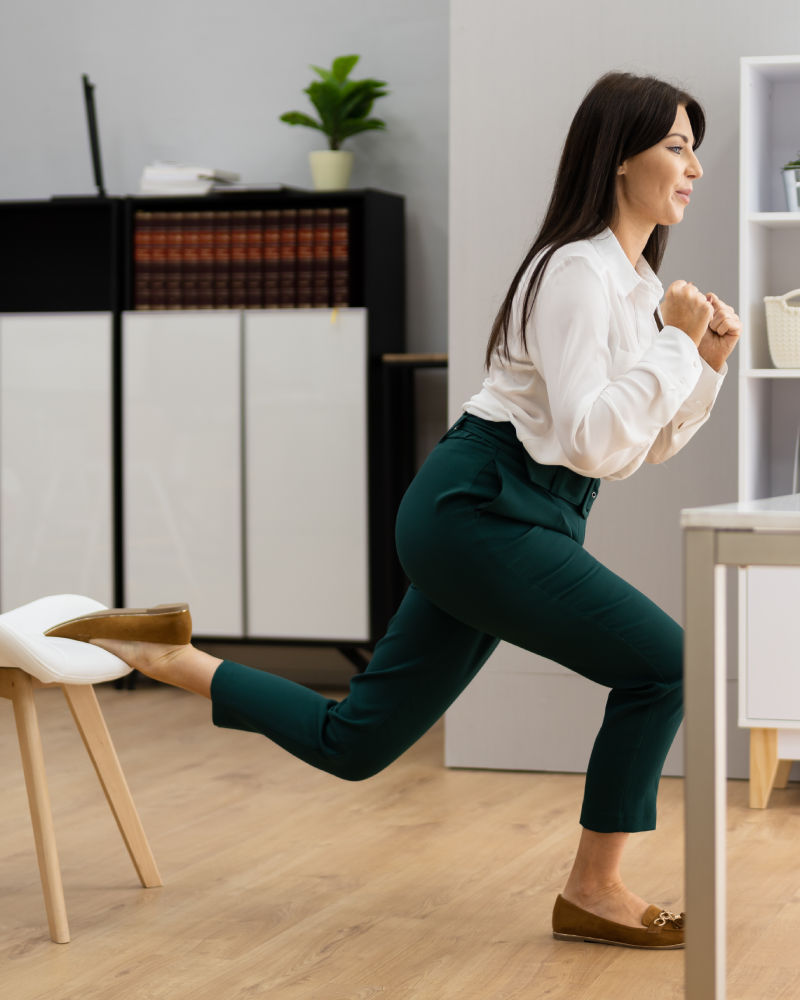
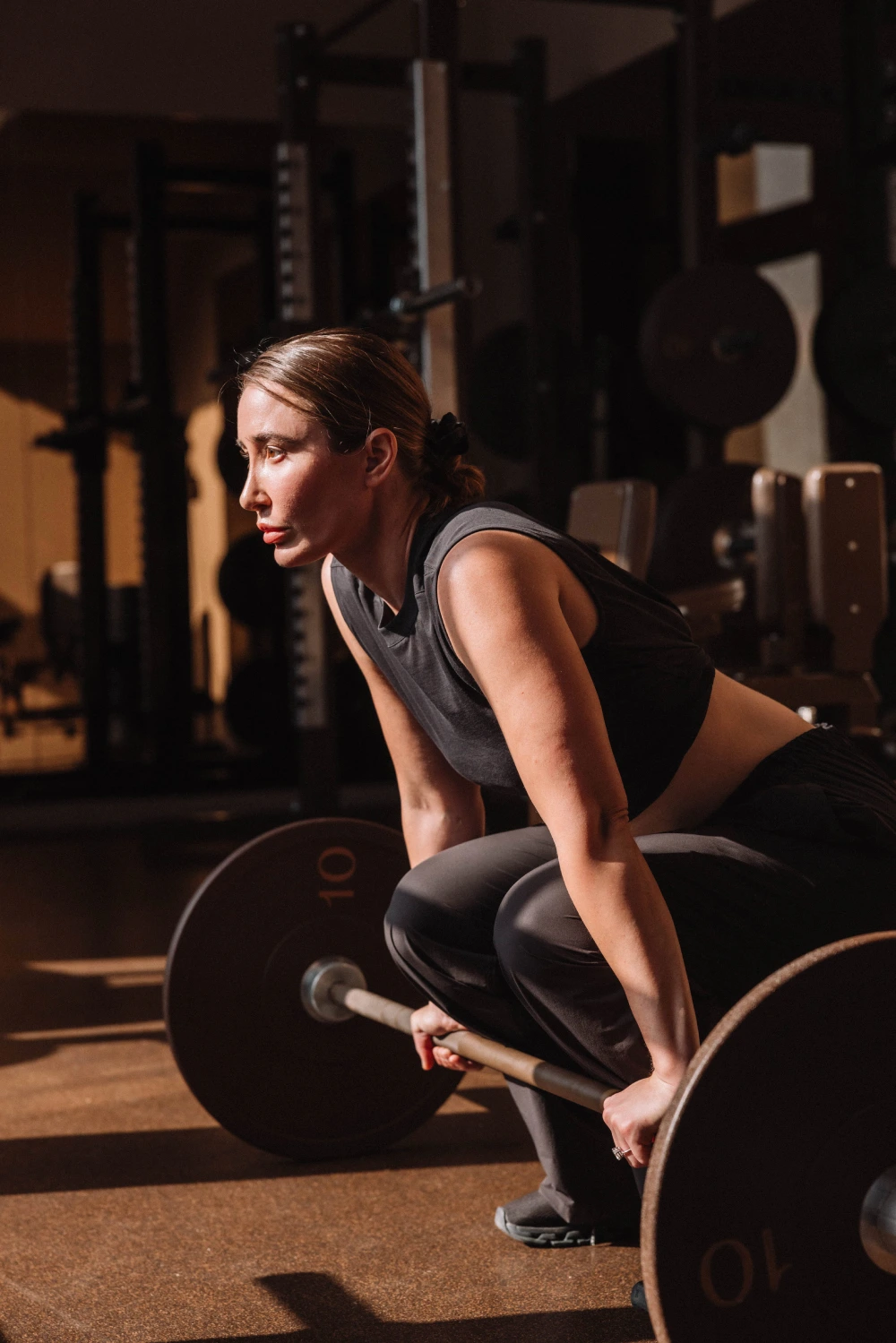
Move throughout the day, advises Hall. “Walk regularly, interrupt prolonged sitting, and incorporate resistance exercise several times each week.” Building muscle is not merely cosmetic; it is a critical reserve for metabolic health, mobility, recovery and independence.
HOME, SWEET HOME
For many, ageing at home is non-negotiable. The home needs to adapt so that living independently can be done with confidence.