


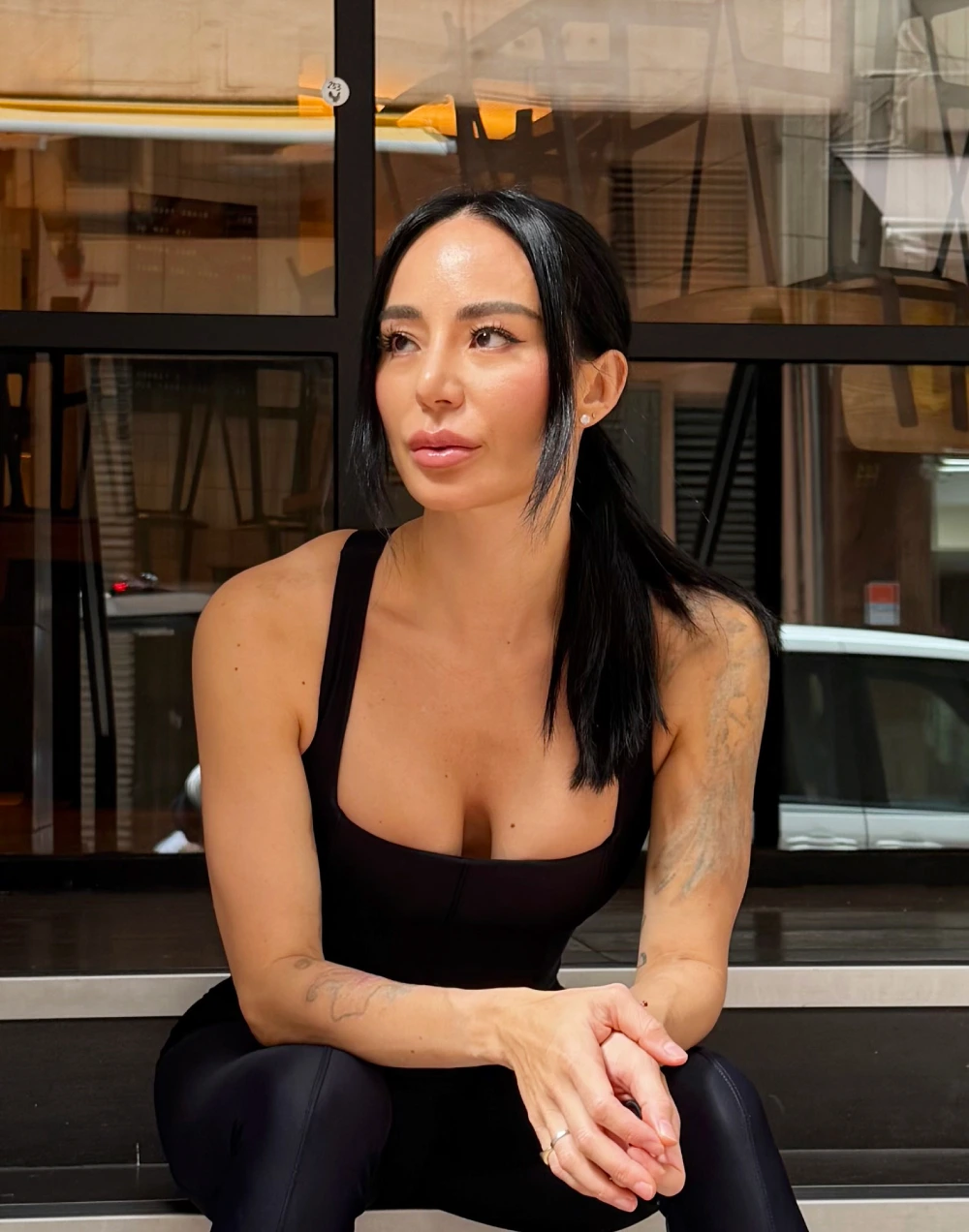





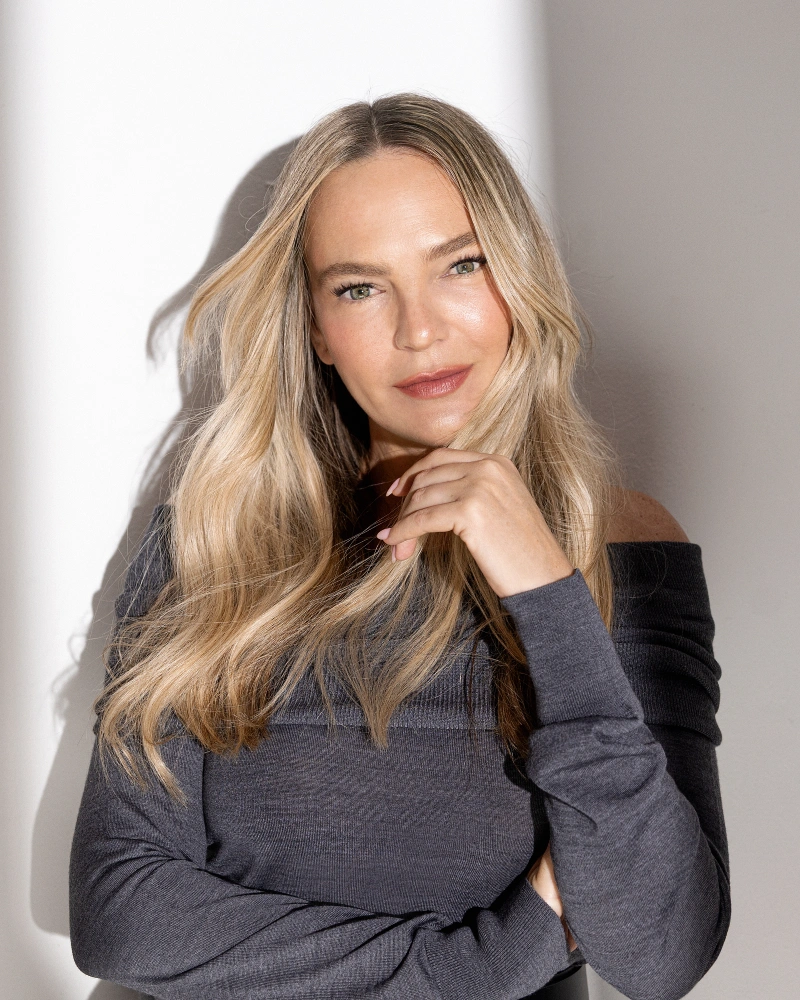


Kayla Barnes-Lentz is one of the world’s leading female longevity experts and a recognised authority in the rapidly evolving field of health optimisation.
At 35 years old, she has achieved a biological age of 22, underscoring the power of evidence-based, preventative and regenerative medicine in extending not only lifespan, but also healthspan — the number of years we live in good health. Known for her evidence-based approach, BarnesLentz is among the few longevity experts to publicly track and share her own biological data, including her cardiovascular health, hormonal biomarkers, ovarian age and performance metrics. Through precision laboratory testing, advanced diagnostics and personalised protocols, she champions a data-driven approach to ageing well.
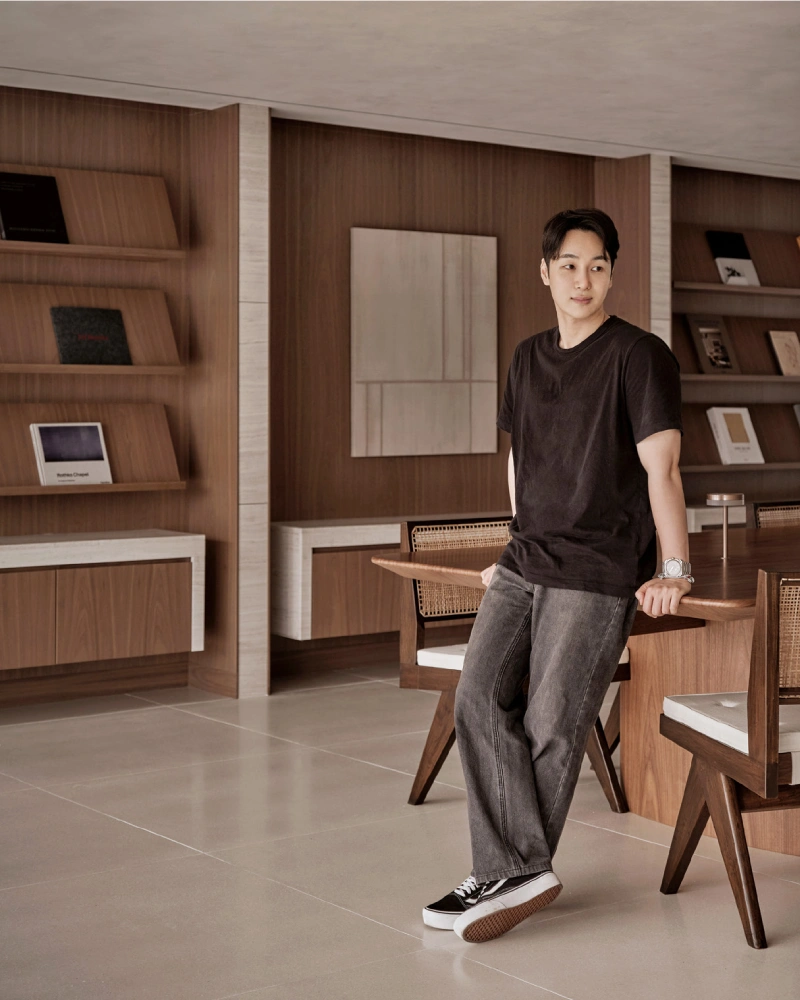
Stepping inside her home feels like entering the future of wellness. Inspired by the Japanese philosophy of wabi-sabi, the interiors are serene and understated, with natural timber, stone, linen and earthy textures creating a calming sanctuary. Behind the minimalist aesthetic sits an extraordinary collection of longevity technology — PEMF therapy, infrared saunas, a hyperbaric oxygen chamber, Power Plate, NanoVi, Pulsetto, red light therapy devices and cutting-edge recovery tools — all carefully chosen to support optimal health and performance.
We spoke with Barnes-Lentz about the daily rituals, science and mindset that shape her approach to longevity
‘Wellness isn’t about perfection or following someone else’s routine. It’s about understanding your own biology and making informed decisions that support your long-term health’
What inspired your dedication to longevity and wellbeing?
I’ve been fascinated by nutrition and preventative health from an early age. I later trained with neuroscientist and physician Dr Daniel Amen before opening my longevity clinic, where we specialise in precision biomarker testing and advanced biohacking protocols. I’ve always had a particular interest in female longevity and understanding the important role hormones play in healthy ageing.
What are the foundations of your nutrition philosophy?
I follow a Mediterranean-style diet centred around regenerative foods. I eat plenty of wild-caught fish, quality protein, olive oil, green vegetables and colourful plants. Rather than focusing on restrictive diets, I prioritise nutrient density, quality ingredients and eating foods that support long-term metabolic health.
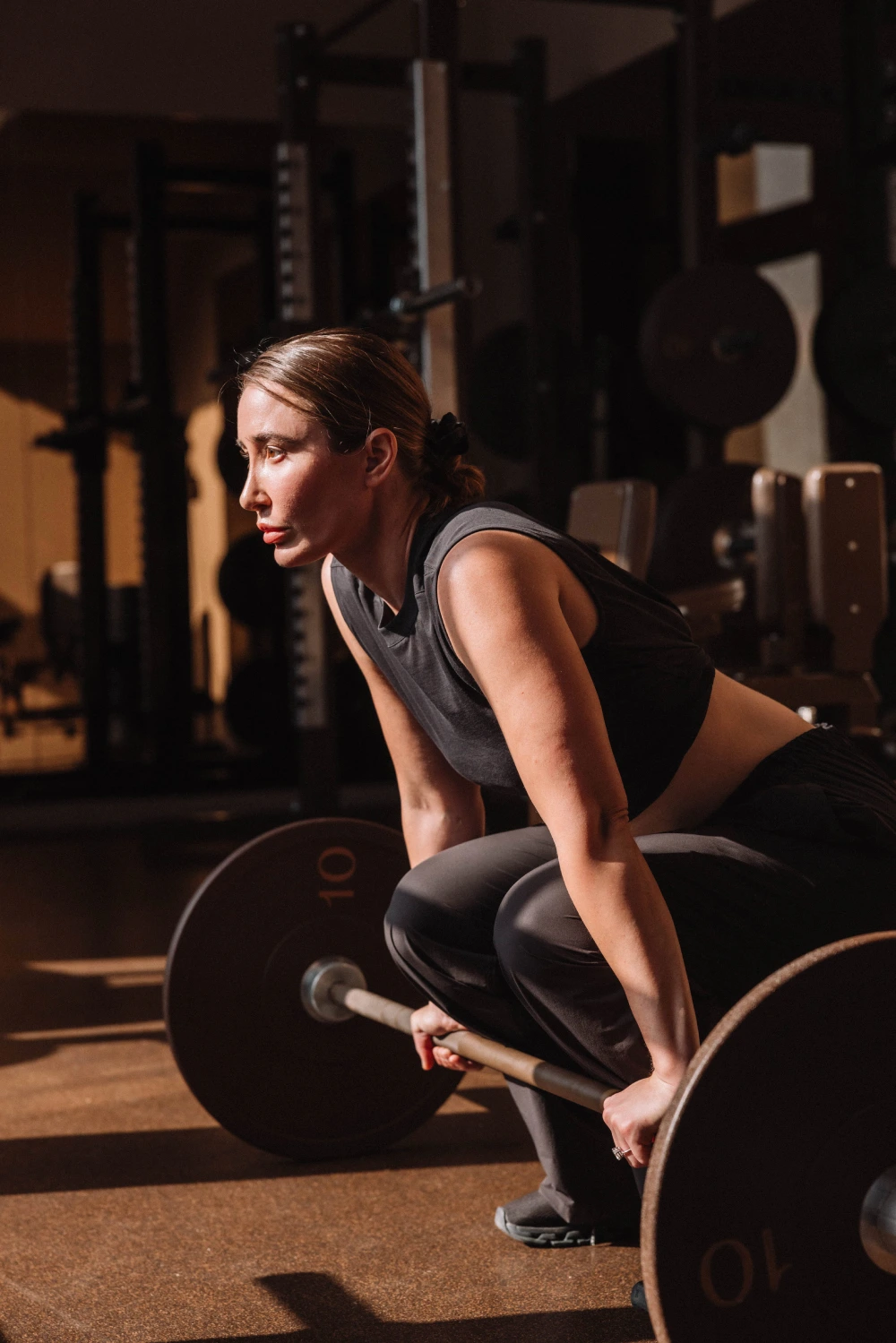
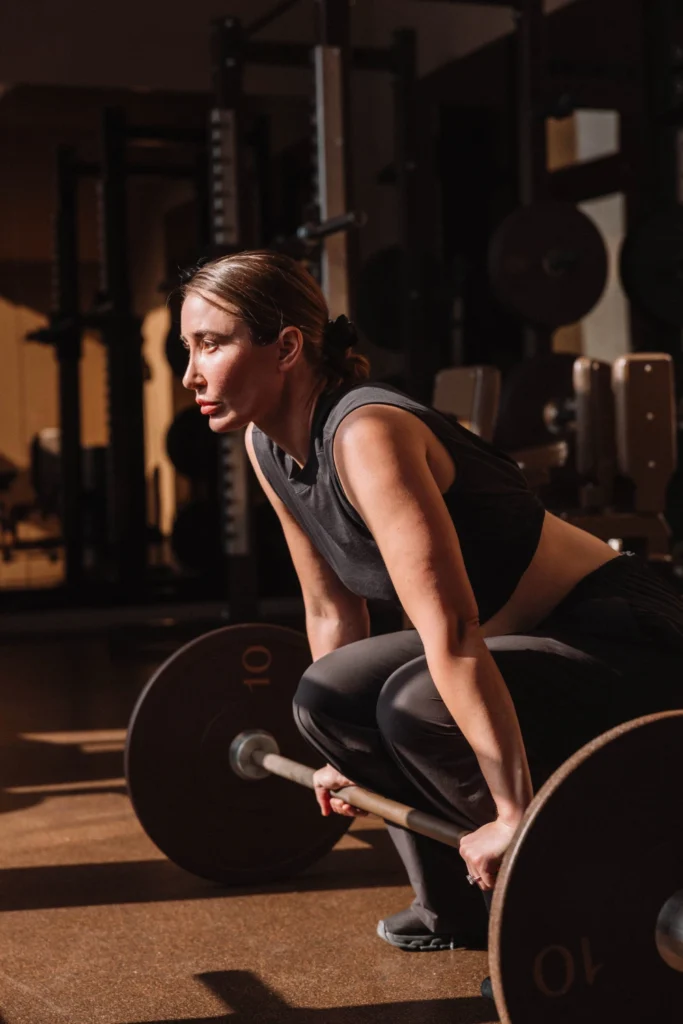
Walk us through your morning routine. I wake at 5.30am and begin with 20 minutes of PEMF therapy before making my coffee with collagen, creatine and protein. Then I head to the gym for strength training. I always spend time in the morning sunlight to support my circadian rhythm before enjoying a traditional sauna several times a week, often followed by a cold plunge or cold shower.
Afterwards I record my daily biometrics, including weight, blood pressure, lung health and grip strength. Breakfast is usually eggs, fermented foods or bone broth, followed by my personalised supplement protocol, which includes Urolithin A, spermidine, collagen, probiotics and an autophagy-support blend.
Your oral care routine is a priority. Why?
I begin and end each day with tongue scraping, coconut oil pulling and red light therapy for my mouth. The oral microbiome is closely linked to overall health, so looking after your gums and oral bacteria is something I never overlook.
How do you maintain productivity while supporting your health?
I structure my workday into focused 90-minute blocks to maximise concentration and I take many of my phone calls while walking on a treadmill. I also use a NanoVi device during the day to help reduce oxidative stress and a Pulsetto vagus nerve stimulator to support heart rate variability and focus.
Around midday I spend time in my hyperbaric oxygen chamber. During more intensive treatment phases I may use it several times each week before transitioning to maintenance sessions. I also use the Bauman Turbo Laser Cap for scalp health, and I keep a red light panel close to my desk to help stimulate cellular energy, and to boost tissue repair and reduce inflammation.

Have you explored more advanced longevity therapies?
I’ve tried treatments including Therapeutic Plasma Exchange (TPE), a specialised apheresis procedure that removes and replaces a patient’s blood plasma, as well as Extracorporeal Blood Oxygenation and Ozonation (EBOO) which is an advanced intravenous ozone therapy, both performed under medical supervision. These therapies have been valuable in helping reduce inflammation and toxic burden, but they’re highly individual and should always be guided by experienced healthcare professionals.
You often speak about reducing environmental toxins. How does that extend to your home?
Our home has been designed to minimise unnecessary chemical exposure. We don’t have carpets, our furniture is made from low-toxin materials and we choose organic bedding and natural fibres wherever possible. Creating a healthy environment is an extension of how we eat and live.
What does your evening routine look like?
I prepare dinner around 4pm and we usually eat by 5pm. Meals are simple and nutrient-dense — often wild-caught salmon with roasted vegetables. Eating earlier helps support digestion, circadian rhythm and sleep quality.
After dinner we go for a walk before winding down for the evening. I’m very mindful of creating a calm environment before bed because sleep remains one of the most powerful tools for healthy ageing.
How do you see artificial intelligence shaping the future of longevity?
I believe artificial intelligence will transform healthcare dramatically. It will help analyse complex health data, predict disease risk earlier and make personalised longevity medicine far more accessible. By combining AI with evidence-based medicine, we’ll be able to empower more people to take control of their health.
What is wellness to you?
Wellness isn’t about perfection or following someone else’s routine. It’s about understanding your own biology and making informed decisions that support your long-term health. Knowledge is power. The more you understand your biomarkers, laboratory tests and health metrics, the more empowered you become to make proactive decisions about your future health. Tracking your data creates a baseline, helps you measure progress and allows you to personalise your approach with your healthcare team. The fundamentals — quality sleep, movement, nourishing food, meaningful relationships and stress management — will always be the greatest investment in longevity.