

















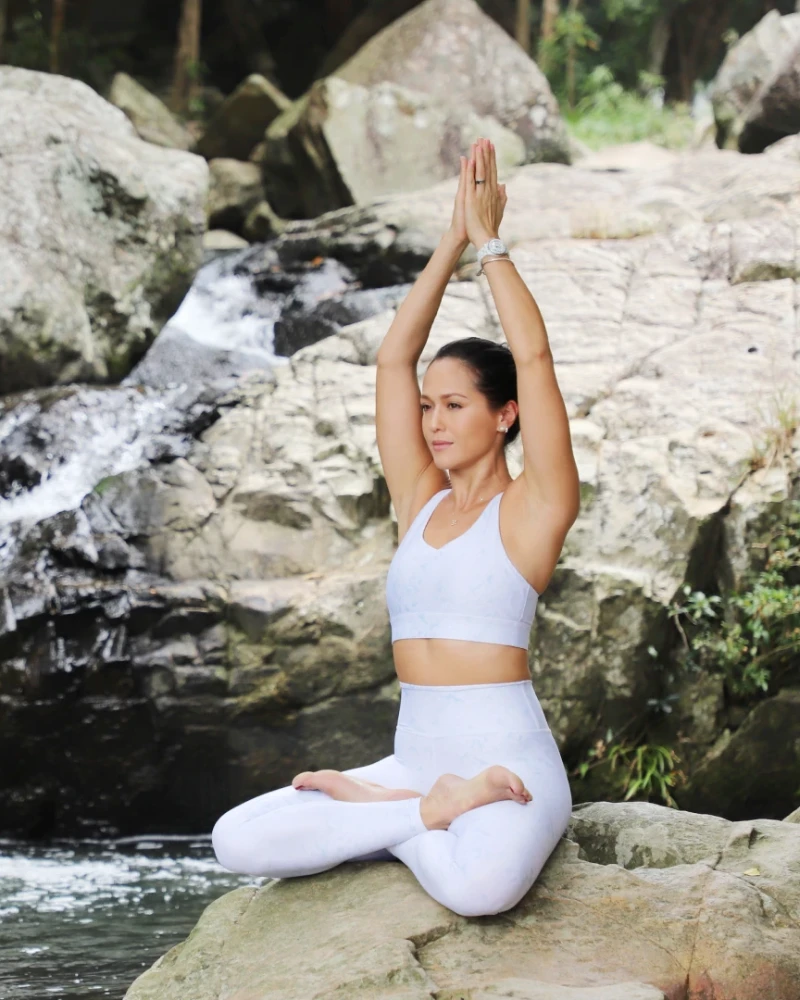


Nature surrounds everything we do; it’s outside our windows, in our vegetable gardens, at a river or ocean bay, within a park, on a ridge — even in our planter on the windowsill.
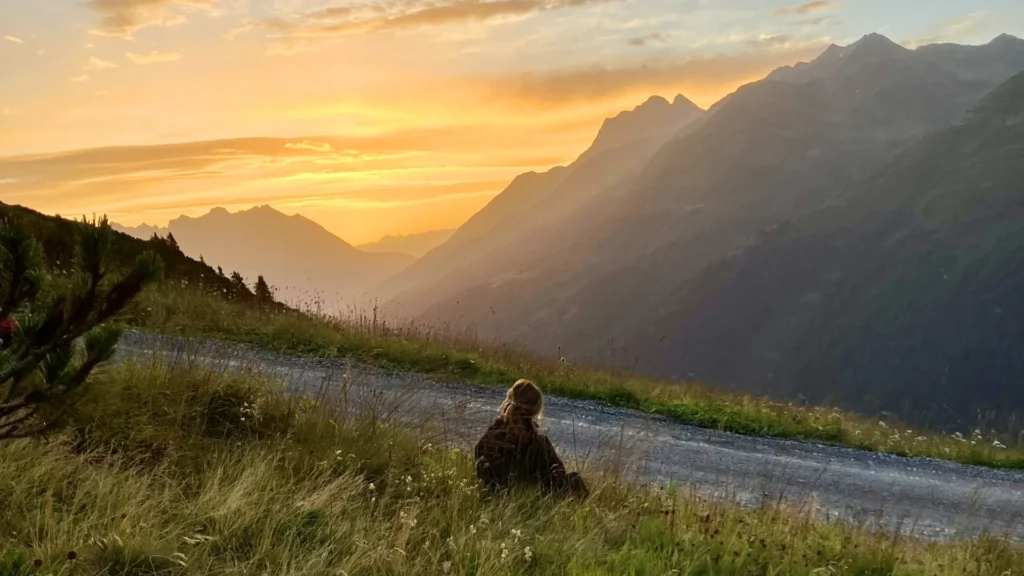
It’s there to support our mental wellness, our calm, our physical health, but we often simply just ignore it. Walk past it as we worry about our daily stressors. Our eyes stay glued to devices, screens, televisions, instead of looking outward, upward or even at the ground.
NATURE DEFICIT: HOW IT AFFECTS US
According to Cleveland Clinic’s Health Library, “exposure to the natural environment (blue and green spaces) can improve human health and wellbeing”. It was found that during the Covid pandemic “if people experienced time outdoors, such as in parks, or viewed trees, water or gardens outside their windows, there was a decrease in depression, anxiety, stress and an increase in supportive sleep, internal happiness and a better sense of wellbeing”. This watchful focus on nature quieted stress, and all it took was 15 minutes to find calm.
But what if we are constantly engaged digitally? Dr Caroline Leaf, a cognitive neuroscientist and bestselling author, found that it’s not just “the presence of technology, but the type of engagement” we have digitally. Connection to and constant interaction with devices, such as scrolling, “liking” and watching screens while interacting with others face-to-face leads to “cognitive overload, emotional fatigue and less meaningful connections over time.” Even when in nature, if our devices are chiming, dinging or buzzing in our pockets, it disconnects us from the moment, whether walking alone in a park or talking with a friend by a riverbank. Intentional disconnection from electronics and, instead, focusing our attention on staying present is the way to combat nature deficit. But is this an easy thing to do? Often not.
THE DOCTOR WILL SEE YOU NOW
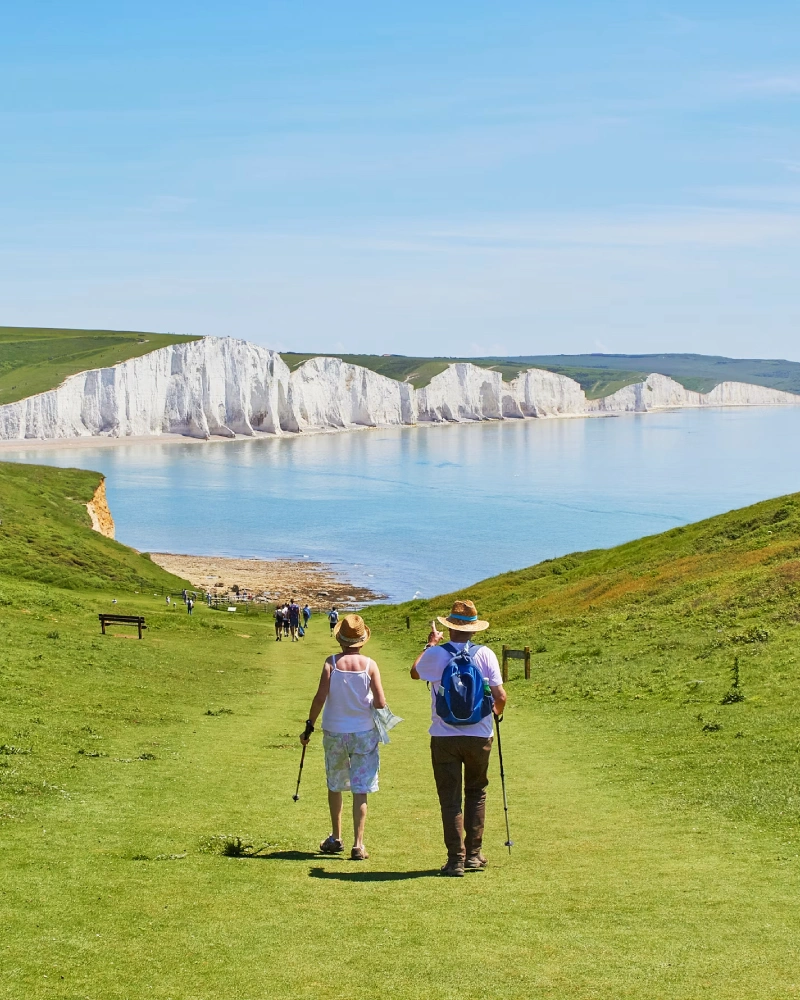
There is a rising interest in mental health alternatives and increased medical support for therapies utilising nature exposure in conjunction with or apart from psychotropic medications. Some doctors now prescribe “nature therapy”, encouraging patients to visit green spaces and blue spaces in their neighbourhoods or close to their living environments. Others offer “Walk with a Doc” programmes in the community, where people can stroll with a doctor, quietly or with discussion.
Assignments, or “homework”, could be prescribed utilising the 20-3-7 rule: a nature prescription for spending 20 minutes in green or blue spaces at least three times per week. For deeper dives, immersions of at least five hours per month in local parklands, gardens and backyards are suggested. Sometimes, a disconnection for an entire week is prescribed at a nature retreat or spa for a helpful reset from the severe stress of a divorce, a family death or loss of a job. The idea reflects growing evidence that contact with natural environments positively affects both mind and body.
‘Assignments, or “homework”, could be prescribed utilising the 20-3-7 rule: a nature prescription for spending 20 minutes in green or blue spaces at least three times per week. For deeper dives, immersions of at least five hours per month in local parklands, gardens and backyards are suggested’
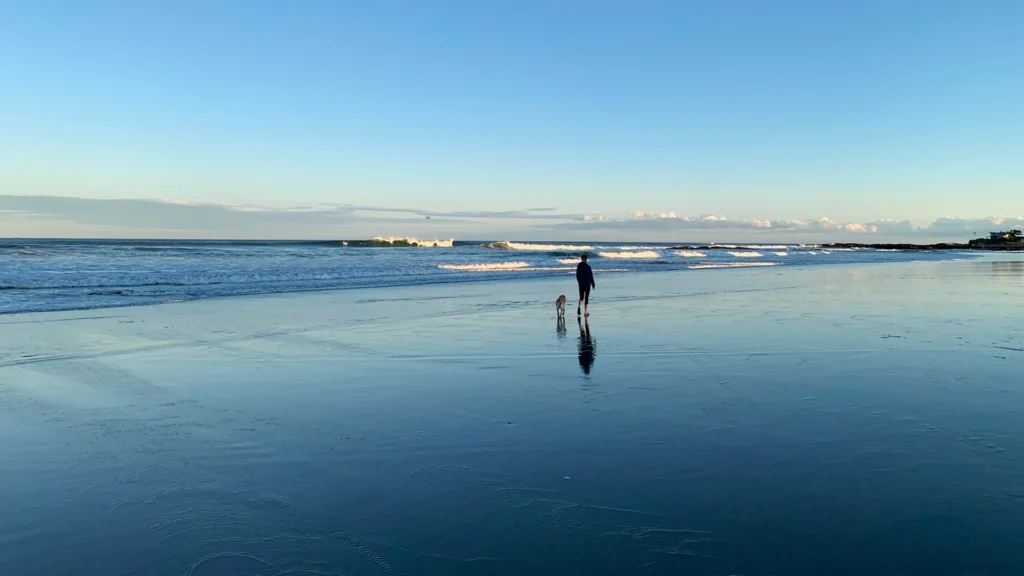
BUT WHERE ARE THE BLUE SPACES AND GREEN SPACES?
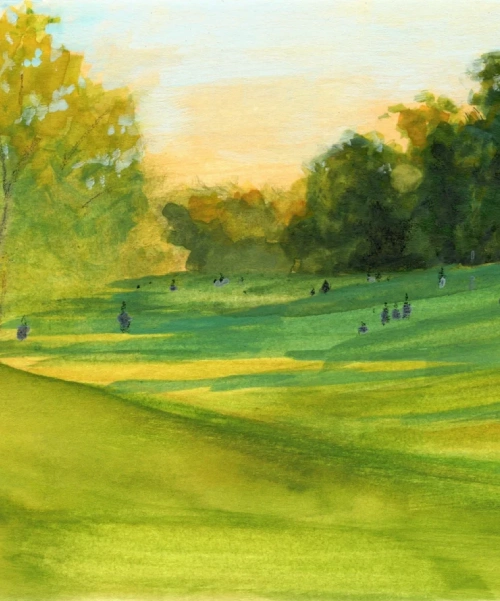
Green spaces can be found in local parks, forest trails and in city gardens, but they can also be discovered by looking out a window or sitting on your balcony. Simple viewing is enough to reduce stress and improve mental wellbeing. Working in community gardens is especially helpful for increasing connection — almost like group therapy with plants and people.
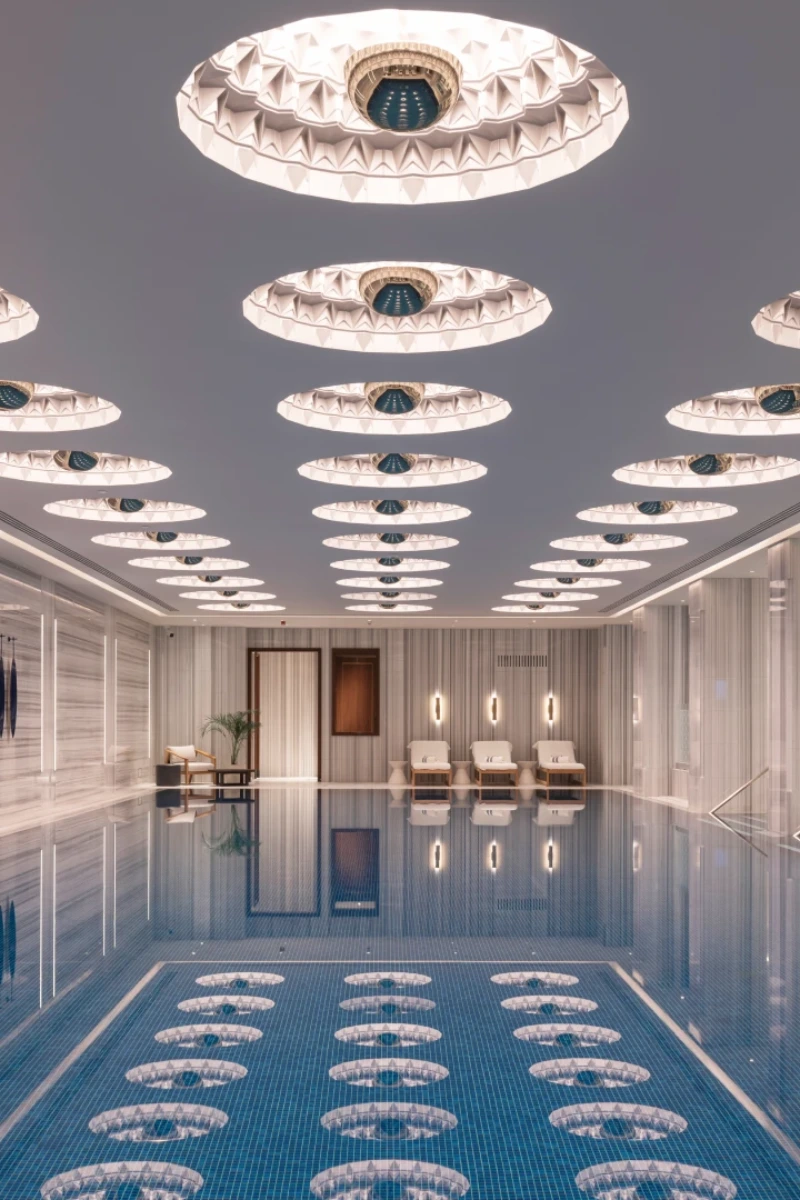
Blue spaces are natural or created bodies of water like canals, fountains in parks, rivers, streams, oceans and bays. Observing ripples in a stream, the rise of waves, or birds in park fountains help calm our minds, offering quiet contemplation and often a sense of awe. Our senses come alive.
WELLNESS TIPS
Physical and Psychological Benefits of Spending Time in Green or Blue Spaces
- Lowered cortisol (stress hormones)
- Lowered blood pressure
- Decreased ruminating thoughts or anxiety
- Deeper and more healthful breathing patterns
- Increased sensory relaxation while viewing and immersing yourself in nature’s colours, sounds and scents
- Increased energy
- Less brain fog and mindset fatigue
Nature Wellness Trends
- There is a rising interest in mental-health alternatives, and non-drug therapies involving nature exposure
- Forest bathing: intentional walks through woodlands with or without a guide
- Blue spaces immersion: sitting peacefully by water
- Natural sound healing: listening to nature
- Morning intentions: going outside in the morning resets circadian rhythms
- Astro-tourism: observing dark skies
- Wilderness wellness: wilderness excursions guided by a local
- Water immersion: swimming and cold plunges to calm the nervous system