





















Korean beauty products have long dominated the skincare conversation. Known for being gentle and accessible and for using cutting-edge, effective ingredients like fermented snail mucin and Centella asiatica, K-beauty has become a global phenomenon.
Social media trends and the pursuit of ‘glass skin’ have only accelerated its popularity, introducing consumers around the world to elaborate, multi-step routines designed to deliver flawless skin.
But another philosophy is gaining traction. Japanese skincare, often referred to as J-beauty, takes a more streamlined approach, prioritising consistency, prevention and long-term skin health over constantly adding new products to the bathroom shelf.
WHAT SETS J-BEAUTY APART?
At its core, Japanese skincare focuses on maintaining healthy skin rather than correcting problems after they appear. The category is often associated with sun protection, hydration and supporting the skin barrier through consistent daily habits.
Japanese skincare’s understated presentation can mask how sophisticated many formulations are. “Many Japanese brands invest heavily in research and formulation science,” says Ashika Patel, PA-C, a dermatology physician assistant. “One common misconception is that Japanese skincare is outdated or less innovative because it often features minimalist packaging and straightforward routines.” Ginger King, CEO of Grace Kingdom Beauty, agrees, noting that Japanese skincare has long been “high science and quality-minded”, with brands often taking a more technical approach to explaining how products work.
The approach also tends to favour fewer, more purposeful products. Rather than layering a dozen serums, essences, ampoules and masks, J-beauty routines often rely on multifunctional formulations designed to perform several tasks at once.
Many Japanese-inspired brands combine traditional ingredients and beauty rituals with modern cosmetic science. Examples include fermented rice extracts, camellia oil, kojic acid and advanced humectants that help support hydration and skin resilience. Other commonly used ingredients include matcha, yuzu, sake and ume, a Japanese plum valued in traditional beauty rituals.
Patel says modern Japanese skincare balances traditional ingredients with elegant formulations designed to support healthy skin over time. She lists ceramides, amino acids, fermented ingredients, rice extracts, hyaluronic acid and vitamin C derivatives as staples of many contemporary Japanese products. Rather than focusing solely on hydration, she says these formulations also prioritise barrier support, brightening and prevention of premature ageing.
‘More products do not always translate to better outcomes. Complicated routines can contribute to irritation and sensitivity. Simpler routines improve consistency, reduce irritation and often provide excellent results without overwhelming the skin’ – Ashika Patel
WHY J-BEAUTY IS HAVING A MOMENT
As appealing as the idea of flawless, glass-like skin may be, complex skincare routines can be expensive, timeconsuming and difficult to maintain. Consumers are looking for products that fit into busy lifestyles, travel easily and reduce unnecessary consumption.
The rise of “skinimalism” — a minimalist approach to skincare — reflects a broader shift towards fewer bottles crowding the bathroom counter, less time spent and, potentially, less waste.
King believes economic realities are also playing a role. “People are overwhelmed with products, and economy certainly factors in,” she says.
For travellers, streamlined routines offer another practical benefit. Carry-on luggage leaves little room for dozens of potions and lotions, making multifunctional cleansers, moisturisers and treatment products particularly appealing.
Patel believes the move towards simpler routines is also being driven by a better understanding of skin health. “More products do not always translate to better outcomes,” she says. “Complicated routines can contribute to irritation and sensitivity. Simpler routines improve consistency, reduce irritation and often provide excellent results without overwhelming the skin.
JAPANESE SKINCARE BRANDS WORTH GETTING TO KNOW
Shiseido remains one of the most recognisable names in Japanese beauty, combining more than a century of heritage with ongoing research and innovation. King describes the brand as “legendary” and notes that it continues to help define the modern J-beauty category.
Hada Labo has built a devoted following around hydration-focused formulations, particularly its hyaluronic acid products.
SK-II is known for its fermentation-based technology and premium positioning within the skincare market.
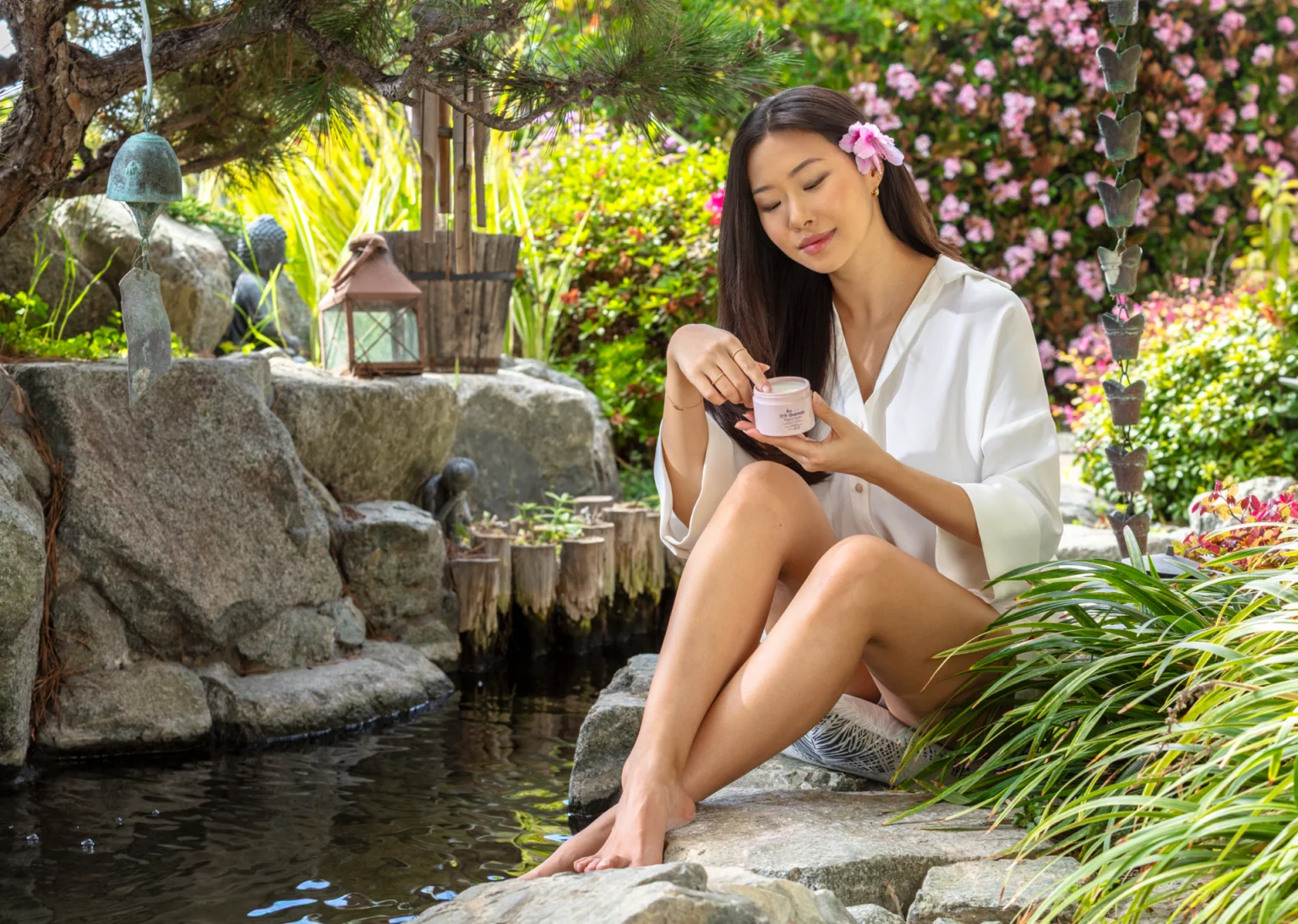
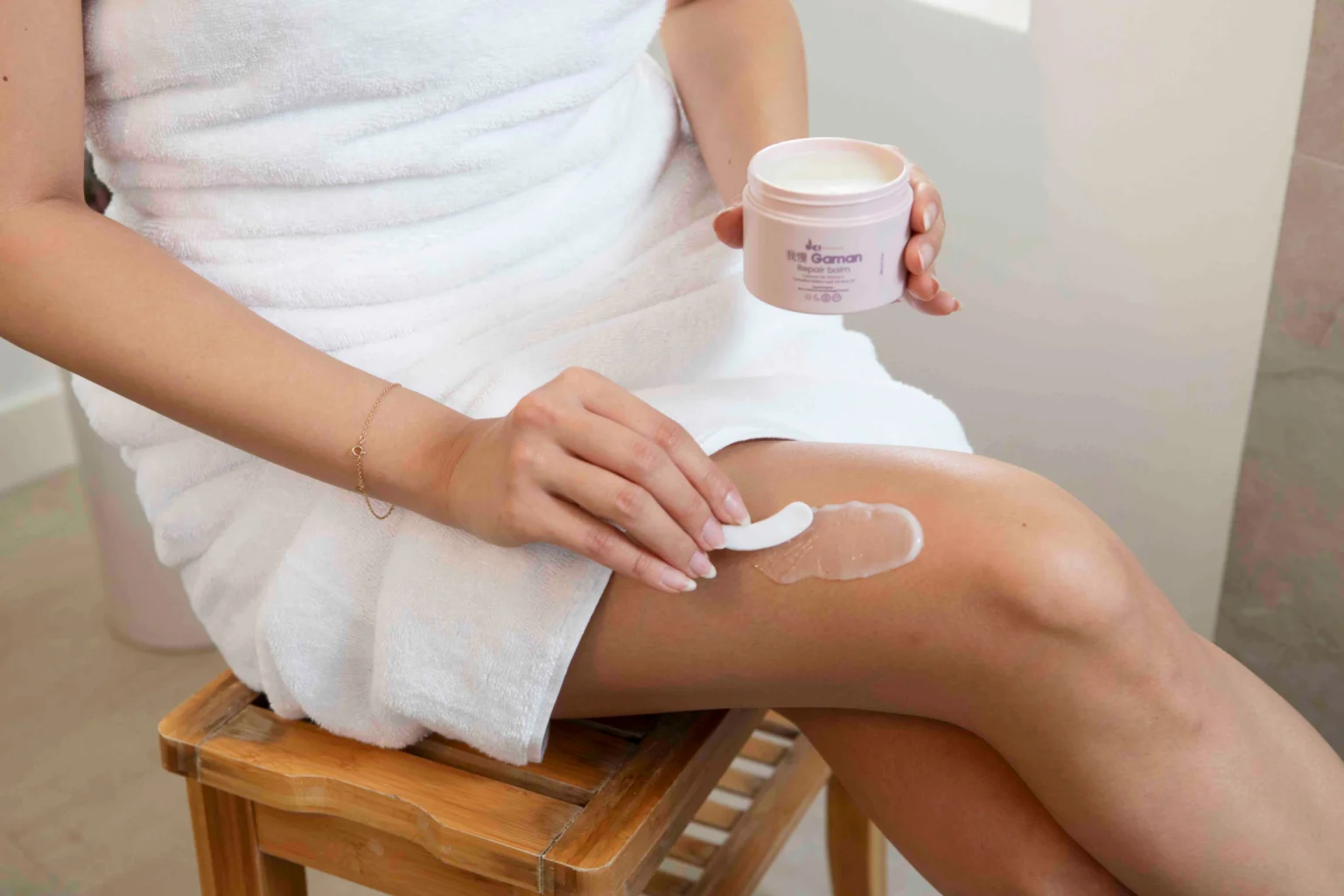
Emerging brands such as IKI are also bringing Japanese-inspired skincare philosophies to new audiences. The brand’s collection focuses on barrier support, hydration and simplified routines, featuring products such as a calming foam cleanser, lightweight emulsion moisturiser and multipurpose repair balm.
In a beauty industry that often encourages consumers to buy more and add another step, Japanese skincare offers a different perspective. The appeal isn’t necessarily about doing less for the sake of minimalism. It’s about choosing products with intention, using them consistently and focusing on long-term skin health rather than chasing the latest product launch.