












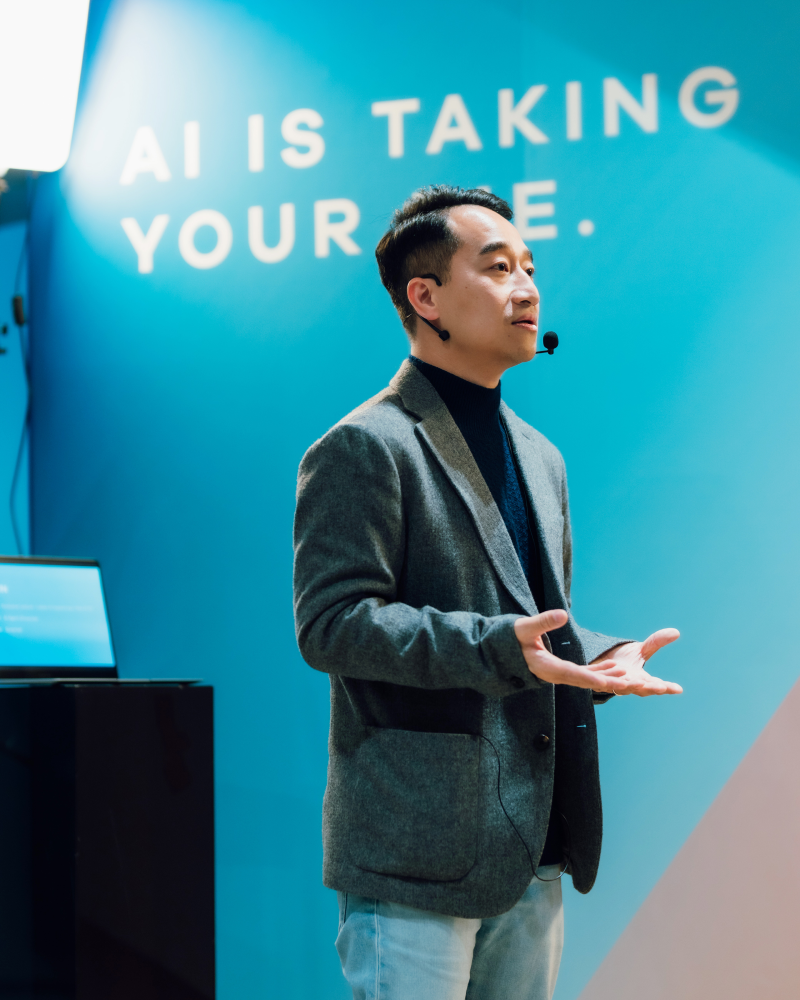



Dave Asprey has spent 25 years treating his own biology as a laboratory. At 28, the Silicon Valley entrepreneur weighed 300 pounds and faced a health crisis that conventional medicine could not resolve.
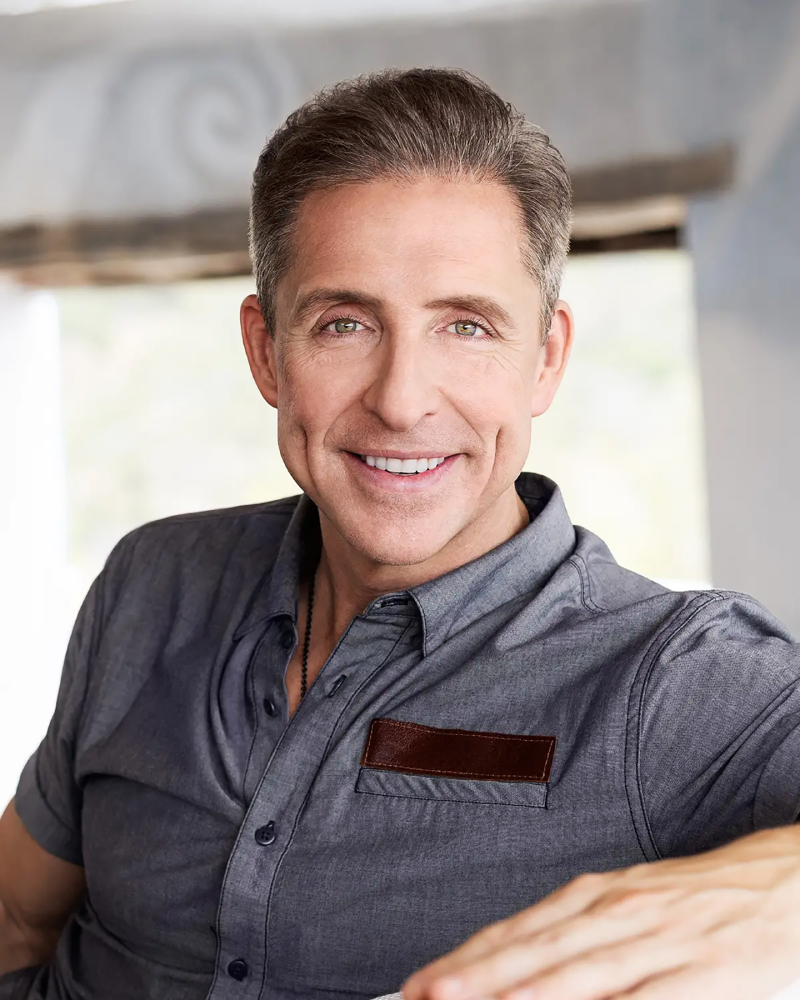
His search for answers led him to lose more than 100lbs, coin the term biohacking and build an empire that includes Bulletproof Coffee, four New York Times bestselling books and The Human Upgrade, a top 100 podcast with a following of more than 2.7 million.
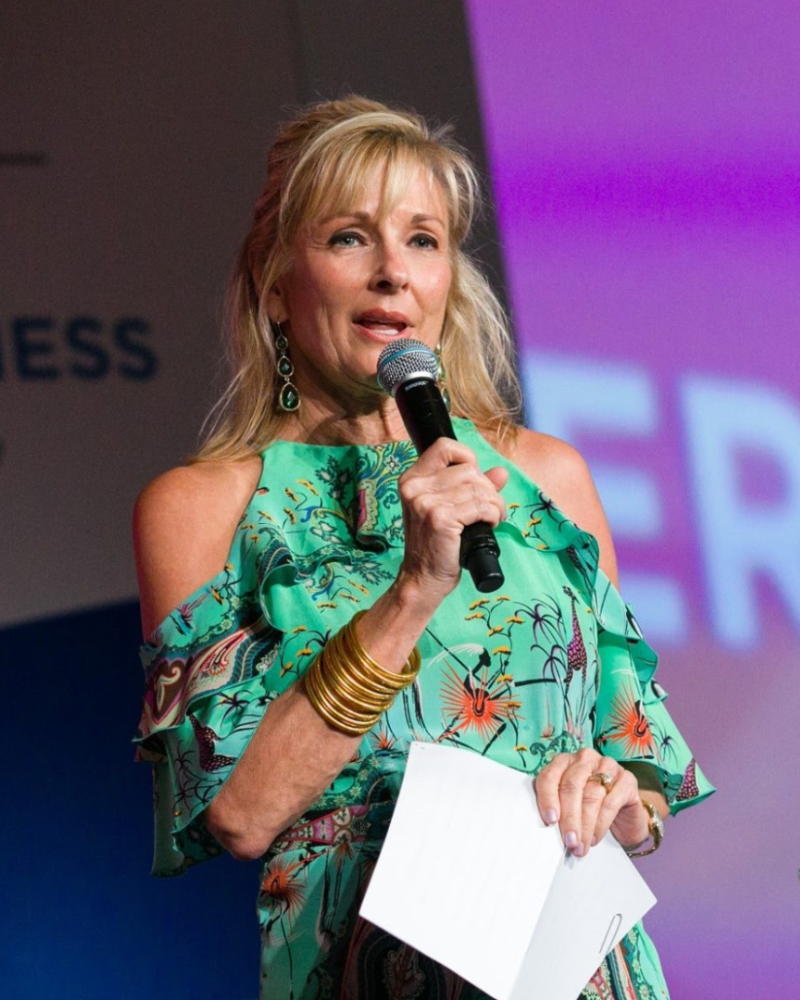
His latest ventures reach in two directions at once. Unlimited Life, a year-long longevity cohort, pairs 500-biomarker diagnostics and neurofeedback with purpose coaching from Marc and Craig Kielburger and expeditions led by Céline Cousteau in Ecuador and Kenya. And at last November’s 19th annual Global Wellness Summit, Asprey announced his AI-powered biohacking facility brand will open its first United Arab Emirates centre in Dubai, part of a biohacking market he values at US$36 billion.
Asprey spoke with The Art of Wellness about cellular health and what a lifetime of self-experimentation has taught him.
You weighed 300 pounds in your 20s despite doing everything right. What did that moment teach you about the difference between trying hard and trying smart?
The tipping point for me was when I was doing everything right, like exercising 90 minutes a day, six days a week and eating a low-calorie, low-fat diet and I still had a 46-inch waist. My doctor told me, “Why don’t you just try losing some weight?” It was so frustrating. I thought it was a willpower or effort problem. It turned out I just had the wrong inputs. Working harder doesn’t equal better results.
You have experimented on yourself for decades. What values guide which risks you take with your own body?
I’m a human guinea pig. I always weigh the risks against the reward. And I weigh the risks of trying something against the risks of not trying it. Inaction also has a cost. The values are curiosity and data. Curiosity to ask what’s possible, and enough data to know whether the answer is working.
Mitochondria sit at the centre of your work. Why does mitochondrial health matter so much to how we age and feel?
Your middle school science teacher told you mitochondria are the powerhouses of the cell, but the textbook stopped there. They’re really microscopic overlords. They determine how you feel right now, how well your brain runs and whether your body repairs itself. Every disease of ageing traces back to them. Ageing is death by a thousand cuts. The goal is fewer cuts.
You take Mitopure, the urolithin A supplement from Timeline, every morning. What earned it a permanent place in your routine?
I take Mitopure daily because Timeline has real human data backing it up. Mitopure works by increasing mitophagy, which is your body’s process of removing old and damaged mitochondria. This leaves room for newer, healthier mitochondria to thrive. My framework is simple. Does the mechanism make sense? Does the human data show a meaningful signal? What are the risks? For urolithin A, the mechanism works, the risks are minimal and the human data is peer-reviewed. I take it.
‘I’m a human guinea pig. I always weigh the risks against the reward. And I weigh the risks of trying something against the risks of not trying it. Inaction also has a cost’
You advocate doing more with less effort, the idea behind one of your book titles, Smarter Not Harder. Where do you draw the line between a protocol that earns its place in your routine and one that is just noise?
I ask if the time and effort are worth the outcome. You can test this with biomarkers or clinical data. As an example, steady-state cardio fails this test. Three hours of running produces marginal mitochondrial signal for the time it costs. REHIT (reduced exertion high intensity interval training) on the AI bike at Upgrade Labs gives you the same mitochondrial adaptation in just five minutes.
The same logic applies to your brain. My neuroscience facility, 40 Years of Zen, is five days of intensive neurofeedback. The brainwave data shows it produces the same patterns as someone with 40 years of daily meditation practice.
Upgrade Labs is opening its first UAE centre in Dubai. Why the Gulf?
Dubai is the right market. The regulatory environment moves faster than most Western markets, capital is available, and investing in your own performance is already part of the culture. The biohacking market is US$36 billion. The audience has changed. A decade ago, it was Silicon Valley engineers tracking sleep but now its governments, developers and hotel groups embedding health into physical infrastructure.
People are done waiting for a reactive healthcare system. Biohacking is about control. It’s about changing the environment around you and inside you so you decide how you feel, how you perform and how long you live.
‘People are done waiting for a reactive healthcare system. Biohacking is about control. It’s about changing the environment around you and inside you so you decide how you feel, how you perform and how long you live’
With everything you know, what does your morning look like?
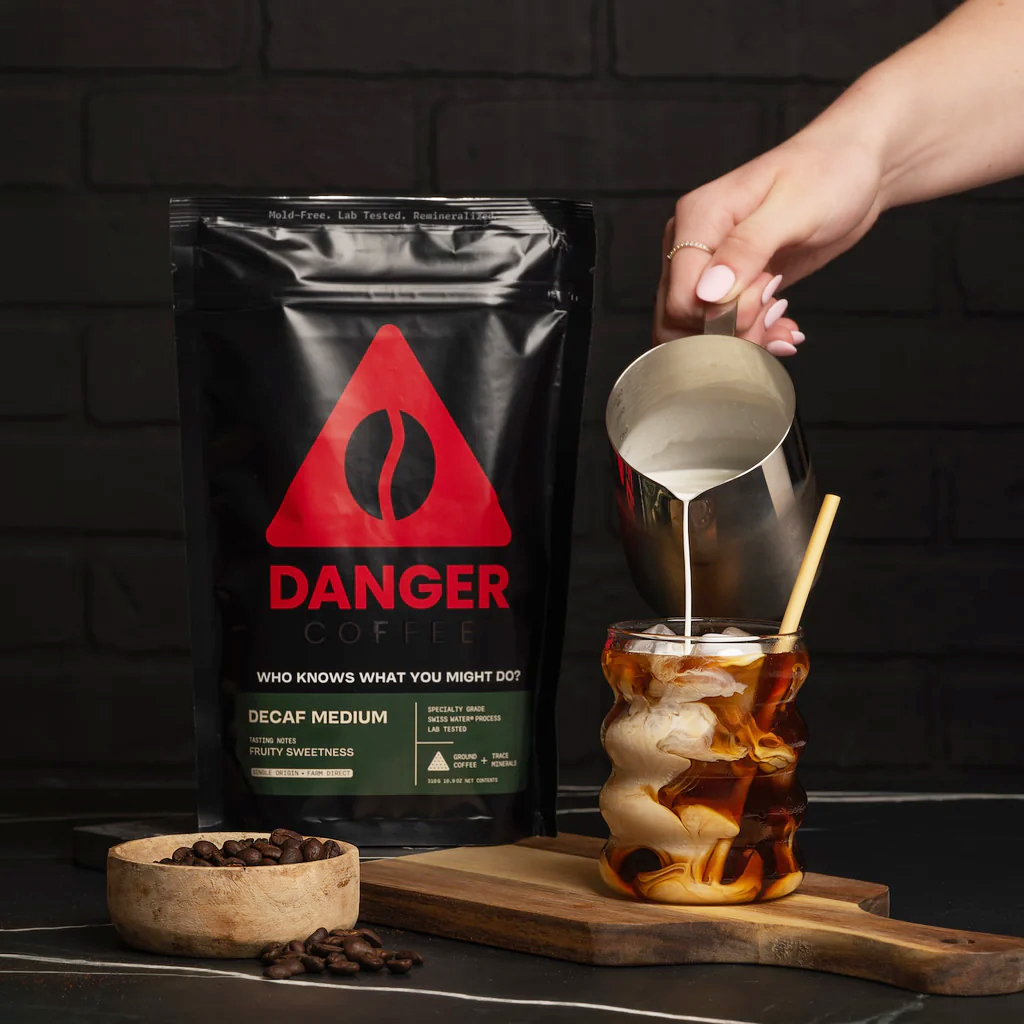
My mornings aren’t always the same. What doesn’t change is that I always get at least 10 minutes of sunlight and I always drink Danger Coffee.
Our readers are not millionaires with home labs. What changes can someone make this week that deliver the biggest return?
Get sunlight in the morning and complete darkness at night. Your circadian rhythm is a huge factor in your health, and both of those things help set it. Go into your kitchen and throw away everything that contains seed oils. Replace them with healthy fats like grass-fed butter, ghee, tallow, MCT oil and extra virgin olive oil. And feel gratitude daily. Really focus on how it feels in your body to be grateful. Gratitude rewires your brain and your nervous system if you do it this way.
What is wellness to you?
Wellness, to me, is having the energy, clarity and resilience to show up fully for work, for people I care about and for whatever I want to build in the world. Your body moves in one direction or the other every single day. Sleep, food, movement and environment are the inputs your biology responds to. When you address those consistently, you operate at a level of performance you never thought was possible.