


















For many, coffee is one of the day’s most familiar rituals: the first cup before the inbox opens, a midday pause between commitments or a slower brew shared with a friend.
Often treated simply as fuel, coffee may offer more than a fleeting burst of energy when enjoyed in moderation as part of an overall healthy lifestyle.
A growing body of research links regular coffee consumption with potential benefits for physical and metabolic health, cognitive function and, perhaps less tangibly, the ways we pause, connect and reset.
MORE THAN A MORNING PICK-ME-UP
Coffee contains hundreds of naturally occurring compounds, including caffeine, polyphenols and antioxidants. Mayo Clinic notes that regular coffee drinking has been associated with lower risk of several conditions, including type 2 diabetes, Parkinson’s disease, liver disease and cirrhosis, although individual responses and the effects of caffeine can vary. Studies have also linked three to four cups a day with a lower risk of stroke; though these associations do not prove that coffee itself is directly responsible for the outcomes.
“While most people know coffee is a source of antioxidants, many overlook the specific role of chlorogenic acids,” says Derek So, founder of Nodi Coffee. “Current studies suggest that these compounds play a significant role in modulating gut microbiota.”
Emerging research suggests that chlorogenic acids in coffee may do more than act as antioxidants. They can reach the colon and interact with gut microbes, potentially supporting a more diverse microbiota associated with metabolic health and immune regulation.
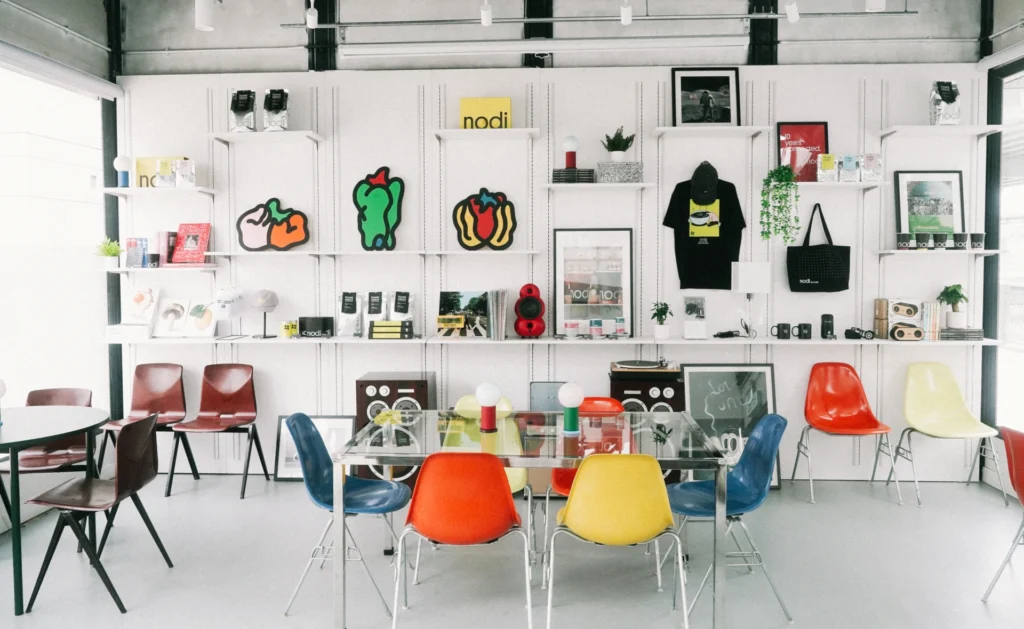
For So, this reinforces the importance of the beverage itself, not only how it tastes, but how it is made. “At Nodi, we focus closely on the roasting profile of the coffee beans to preserve these delicate compounds, ensuring that the health benefits are as carefully crafted as the flavour notes themselves.”
Quality matters for taste, freshness and the overall experience, but it is best understood as one element of a sustainable routine rather than a health claim in itself.
COFFEE FOR THE LONG RUN
Coffee’s links with metabolic and cardiovascular health are among its most widely studied potential benefits. Mayo Clinic notes that, in some research, coffee drinkers have a lower risk of death from any cause than nondrinkers. Coffee consumption has also been associated with lower risks of metabolic syndrome, chronic kidney disease, type 2 diabetes and heart disease.
Caffeine also has a more immediate and familiar role: it can increase alertness and may support exercise performance for some people. Timing can be useful. A coffee approximately 30 to 60 minutes before training may help an active person feel more focused and ready to move, provided it does not trigger jitters, stomach upset or anxiety.
“We encourage our customers to think of their pre-workout coffee as a performance tool rather than just a morning habit,” says So. In a city where work, commuting and exercise must often coexist within a tightly scheduled day, that perspective is especially relevant.
“Coffee is an incredible, natural partner for those who choose to live actively. It’s about respecting the science of the bean, the timing of the dose and, most importantly, the intention behind the cup.”
So also advocates a “clean” approach: appreciating the natural character of a well-made coffee rather than relying on excessive syrups, whipped toppings or sugar-heavy additions. This is not an argument for taking pleasure out of a favourite treat. Instead, it is an invitation to notice the difference between a daily coffee ritual and a dessert that happens to contain espresso.
At Nodi, that philosophy begins with local, smallbatch roasting. “We don’t see freshness merely as a flavour descriptor; for us, it is also a reflection of nutrient integrity,” So says. “Wellness isn’t about clinical supplementation, it’s about respecting the integrity of natural ingredients.

A CUP FOR THE MIND
Coffee’s effect on attention is immediate and well recognised, but recent research has raised a more intriguing question: could regular coffee intake also be associated with long-term cognitive health?
A 2026 study published in JAMA and reported by the Harvard Gazette followed 131,821 participants for up to 43 years and found that those with the highest caffeinated-coffee intake had an 18 percent lower risk of dementia than people who drank little or none. The association was strongest among those consuming two to three cups of caffeinated coffee a day, though researchers stressed that the effect size was small and that coffee should form only one part of a broader approach to protecting brain health.
This distinction matters. Coffee is not a guarantee against cognitive decline, nor should it be framed as one. Sleep, physical activity, social connection, mental stimulation, cardiovascular health and a balanced diet remain foundational. Still, the research offers an encouraging reminder that everyday dietary habits may matter over time
‘Coffee is an incredible, natural partner for those who choose to live actively. It’s about respecting the science of the bean, the timing of the dose and, most importantly, the intention behind the cup’
– Derek So

At Roasters Specialty Coffee House, co-founders Konstantin Harbuz and Elza Shirokova encourage guests to think beyond simply ordering the strongest possible beverage. “Coffee should fit the moment, not the other way around,” they say.
Espresso offers intensity and concentration, V60 pour-overs highlight clarity and complexity, while cold brew can deliver a smoother, naturally sweeter experience. Caffeine content is influenced by bean, dose, brew ratio, beverage size and extraction, so assumptions based on drink style alone can be misleading. The more relevant question may be: what does the day require, and what can your body comfortably tolerate?
“For a gentle morning ritual, sustained focus during work, or simply a coffee to enjoy with friends, the best choice isn’t always the strongest coffee,” say Harbuz and Shirokova. “It’s the one that complements your day and allows you to fully appreciate the character of the beans.”
Their advice for improved focus is equally simple: choose quality coffee over quantity, and take a few undistracted minutes to enjoy it. “Great coffee isn’t only about caffeine: it encourages mindfulness, creates moments of pause, and can become a positive part of a productive day. When paired with good sleep, hydration and balanced nutrition, a carefully prepared cup of specialty coffee becomes something much more meaningful than simply a source of energy.”
Beyond alertness and productivity, the ritual of preparing and drinking coffee can offer a brief invitation to slow down and step away from the screen, tune into the senses and reset before moving on.
‘When paired with good sleep, hydration and balanced nutrition, a carefully prepared cup of specialty coffee becomes something much more meaningful than simply a source of energy’
– Konstantin Harbuz and Elza Shirokova

A RITUAL FOR SLOWING DOWN
Perhaps coffee’s most durable wellness value lies in its ability to interrupt autopilot.
At Elephant Grounds, co-founder Kevin Poon describes the brand’s founding idea as “Coffee ’N Chill”: a space designed as an oasis within Hong Kong’s velocity. Warm wood, natural light, music and open-air elements are not merely aesthetic choices; together, they can create a transition between the pressure outside and a more intentional moment inside.
“Calm isn’t just about quietness; it’s about hospitality and atmosphere,” Poon says.
Coffee is an unusually sensory ritual. There is the aroma of freshly ground beans, the warmth and weight of a ceramic cup, the sound of the espresso machine and the contrast between a hot coffee and a cool morning. For Poon, these details can become a “conscious micro-break”, a chance to return attention to the present.
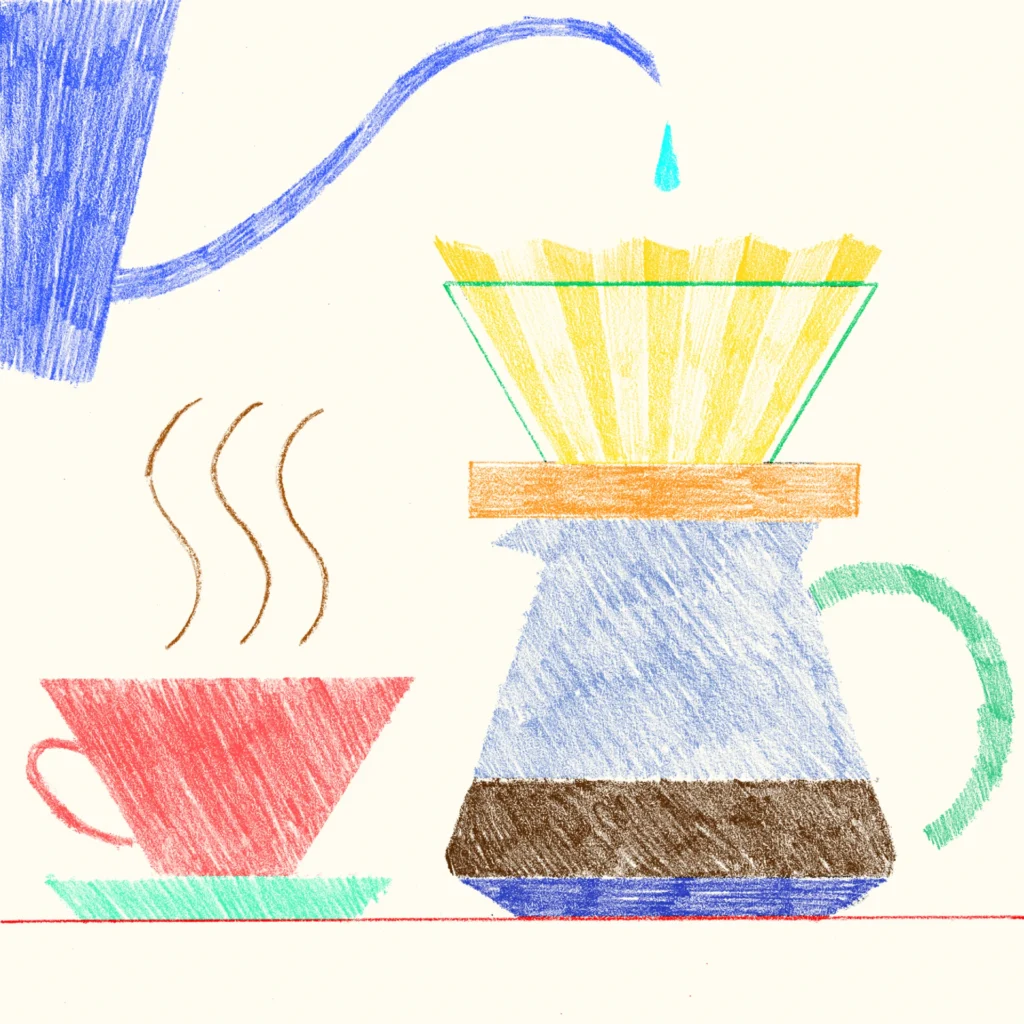
Pour-over brewing particularly encourages patience. The bloom of the grounds, a measured circular pour and the gradual drip into the server all resist the logic of immediate consumption. They turn waiting into part of the experience.
That idea reflects the Stanford Lifestyle Medicine initiative’s guidance on the coffee ritual, which describes the simple acts of grinding beans, noticing their aroma, preparing a cup and drinking it without distraction as opportunities to practice mindfulness and gratitude. It also highlights coffee’s social dimension: sharing a cup with a colleague, chatting with a barista or meeting a friend can turn an everyday habit into a small but meaningful moment of human connection.
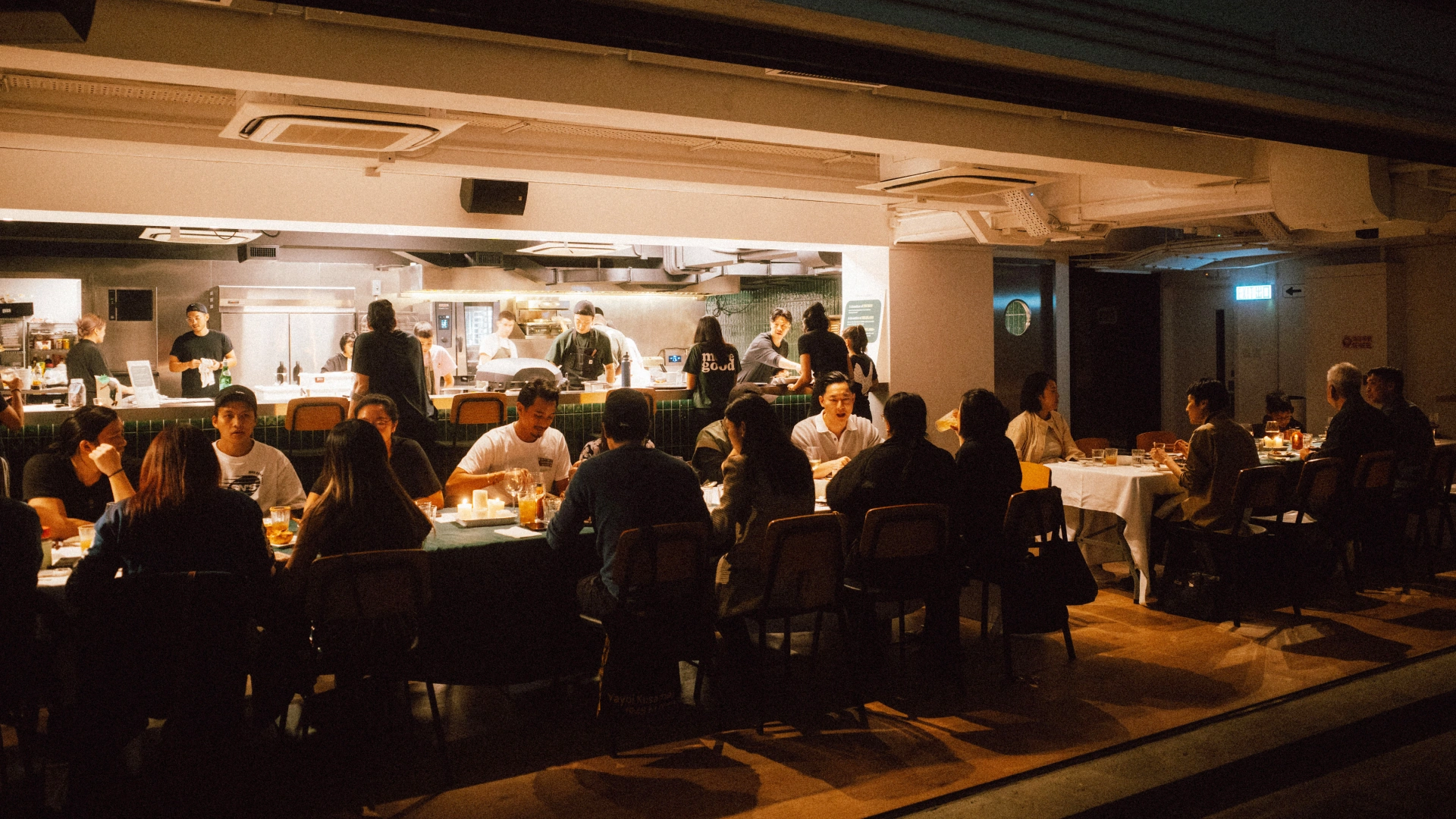
Coffee culture, after all, is rarely only about what is in the cup. At Elephant Grounds, Poon sees coffee as a social bridge — one that brings creatives, regulars, dog walkers and travellers together around shared tables. A brief exchange with a barista or an unhurried conversation over a brew can connect individual wellbeing with a wider sense of belonging. In this way, the daily coffee run becomes more than a routine, it becomes a neighbourhood touchpoint.
A daily cup, then, can be both a private ritual and a shared experience: a chance to collect one’s thoughts, connect with others and return to the day feeling a little more grounded and energised.

‘Calm isn’t just about quietness; it’s about hospitality and atmosphere’
– Kevin Poon
WELLNESS TIPS
The healthiest coffee habit is individual. For most adults, up to 400 mg of caffeine a day — roughly three to five cups of coffee, depending on strength — is generally considered a safe upper limit.
Pregnant or breastfeeding women should limit caffeine to 200 mg a day.
- Find the minimum amount that delivers enjoyment and alertness without undermining sleep or calm
- Choose a coffee you genuinely enjoy, and drink water throughout the day
- Avoid caffeine late in the day if it interferes with rest
- Let your coffee break be a break, not another task performed while scrolling, replying and rushing
- In the right measure, coffee can be more than a stimulant: it can be a source of flavour, focus, friendship and a few deliberately unhurried minutes in the middle of a busy day