




















For decades, fine dining has been shorthand for excess: rich sauces, elaborate techniques, lavish ingredients and menus designed to astonish at every turn. But a more mindful definition of luxury is taking hold in the world’s leading restaurants.
Increasingly, Michelin-starred chefs are creating meals that deliver all the theatre, depth and pleasure diners expect, while placing greater emphasis on seasonality, provenance, balance and how guests feel long after the final course.
This is not wellness dining in the reductive sense — not about a joyless removal of butter, sugar or indulgence, nor a prescribed formula of green juice and restraint. Instead, it is a more intelligent approach to flavour: one in which vegetables, fermentation, natural acidity, calibrated portions and exceptional sourcing create abundance.
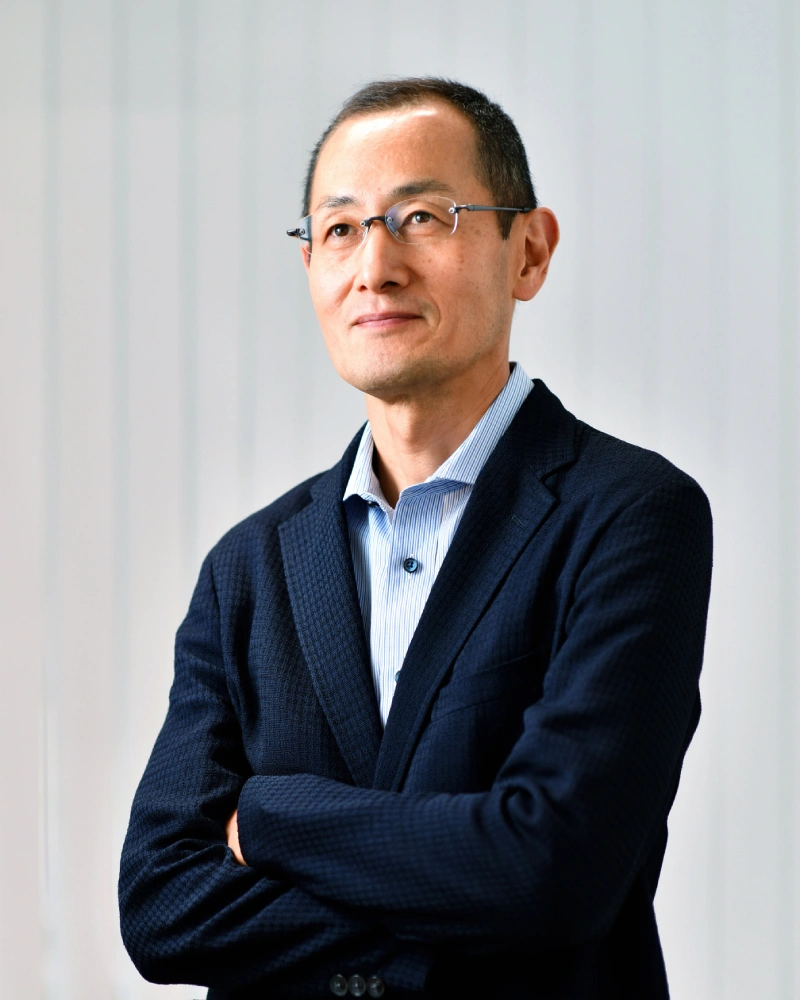
At Hong Kong’s Amber, chef Richard Ekkebus has been at the forefront of this shift. The restaurant’s decision to eliminate dairy, refined sugar and refined flour was not, he says, “an act of deprivation”, but a creative opportunity. The aim was to discover more nuanced expressions of flavour while creating dishes that leave guests “invigorated rather than overwhelmed”.
“For too long, healthy and indulgent have been treated as opposing ideas,” he says. “I have never believed that to be true.”
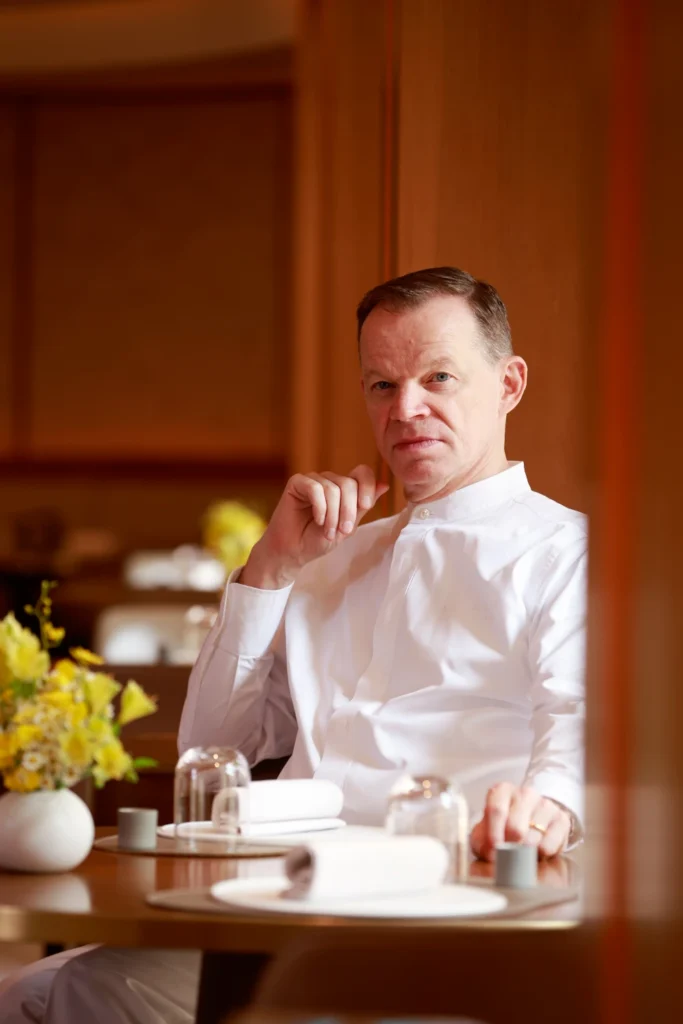
‘For too long, healthy and indulgent have been treated as opposing ideas. I have never believed that to be true’ – Richard Ekkebus
PLEASURE WITHOUT EXCESS
The new health-conscious fine dining reveals itself in the feeling a guest has at the end of a meal: satisfied, energised and fully engaged, rather than uncomfortably full. Tasting menus are a deliberately composed journey with an emotional and physical rhythm, not merely a sequence of standout plates.
Ekkebus describes this as a question of refinement over abundance. At Amber, sauces once reliant on dairy or heavy fats have been reimagined through vegetable extractions, fermentation, broths and precise reductions. Natural sweetness is drawn from plants, fruits and developed ferments. The result is greater clarity, not less flavour.
“Every element of our menu is carefully calibrated, considering not only flavour and progression but also balance, digestibility and energy,” he says. “The ultimate success of a meal is not measured solely by the final bite. It is measured by how a guest feels hours later.”
That idea resonates across Asia’s top kitchens, where chefs are drawing on regional culinary traditions that have long understood how acidity, herbs, spice, bitterness and fermentation can bring lift and depth to a meal.
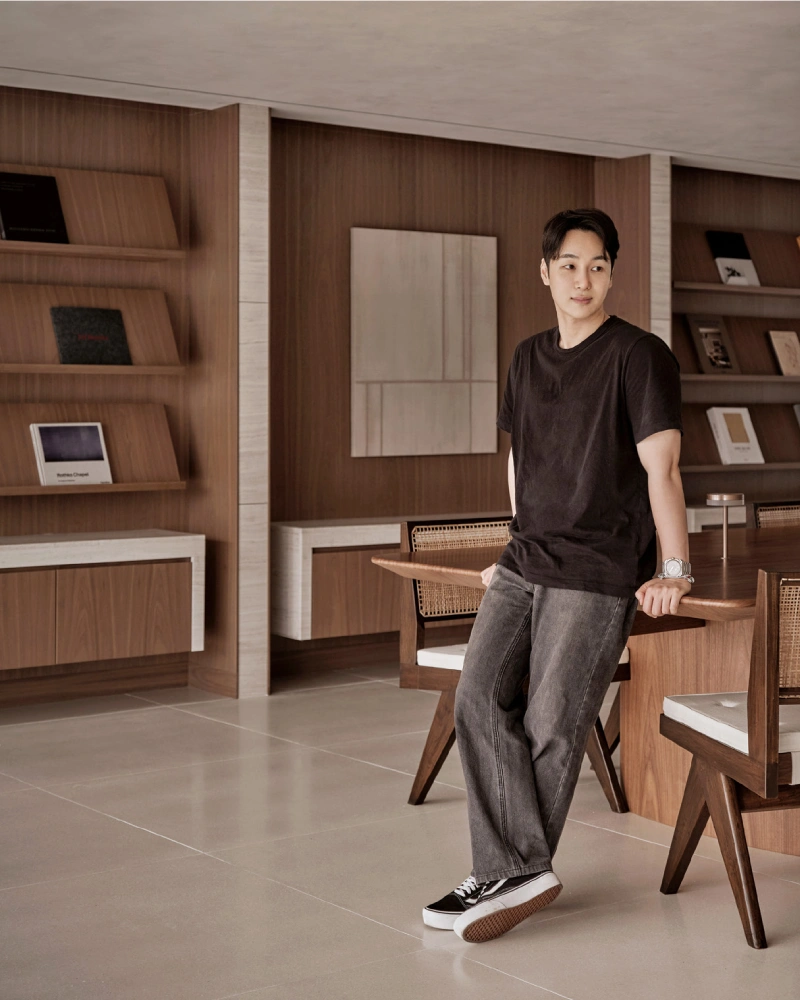
At Restaurant Fiz in Singapore, chef Hafizzul Hashim sees this innate balance in the Nusantara cooking of the Malay Archipelago. “Healthy, to me, is not about restriction or removing pleasure,” he says. “It is about balance between richness and acidity, protein and plants, nourishment and satisfaction.”
The culinary vocabulary of Southeast Asia offers an especially rich foundation for this approach. Fresh herbs, spices, vegetables, broths, rice and fermented ingredients can create intensity without relying excessively on fat or sugar. Coconut milk, oils and richer sauces still have an important role, Hashim notes, but they are used with intention and precision.
“In fine dining, technique should clarify flavour rather than simply add more fat, sugar or richness,” he says. “Pleasure remains the first promise of the meal, but health and balance should be quietly built into its composition.”
THE RISE OF THE THOUGHTFUL MENU
Health-conscious dining is often associated with plantforward cooking, and vegetables are unquestionably taking on more prominent roles in contemporary tasting menus. At Amber, years of menu development have moved vegetables from supporting players to “leading protagonists”. Their diversity, complexity and visual beauty offer chefs creative possibilities while naturally encouraging a more mindful way of eating.
Yet the shift is not simply about reducing meat or imposing a single definition of what a healthy menu should be. Chef Pam Pichaya Soontornyanakij of Bangkok’s POTONG believes a healthier approach begins with being rooted in one’s own culinary culture.
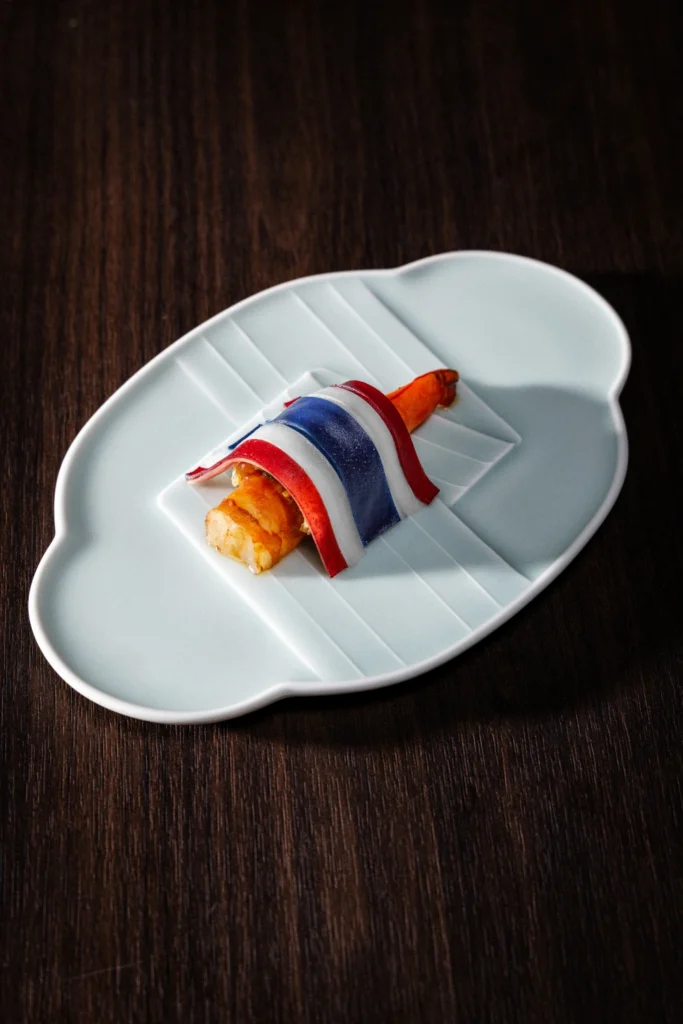
At POTONG, a progressive Thai-Chinese restaurant in Yaowarat, the menu draws on the whole table: vegetables alongside seafood and meat, as has long been customary in Thai cooking. “What makes a menu healthier for me isn’t taking things off the plate,” she says. “It’s being careful about how each ingredient gets there in the first place — chosen at its peak, from someone we know, cooked with balance across the whole tasting.”
The restaurant works closely with local farmers and small producers, sourcing rare rice varieties, palm sugar and seafood at their seasonal best. This approach is not only about flavour. Ingredients harvested at their peak require less intervention, bring a more vivid sense of place and help chefs compose dishes around what nature is offering rather than demanding uniformity throughout the year.
At Fiz, the same sensibility comes through in wild ferns, young shoots, heirloom vegetables and regional botanicals, which may receive as much attention as seafood or meat. When an ingredient is abundant, it can be fermented, pickled, smoked or dried, allowing the kitchen to preserve its character rather than force nature to provide it out of season.
‘In fine dining, technique should clarify flavour rather than simply add more fat, sugar or richness. Pleasure remains the first promise of the meal, but health and balance should be quietly built into its composition’ – Hafizzul Hashim
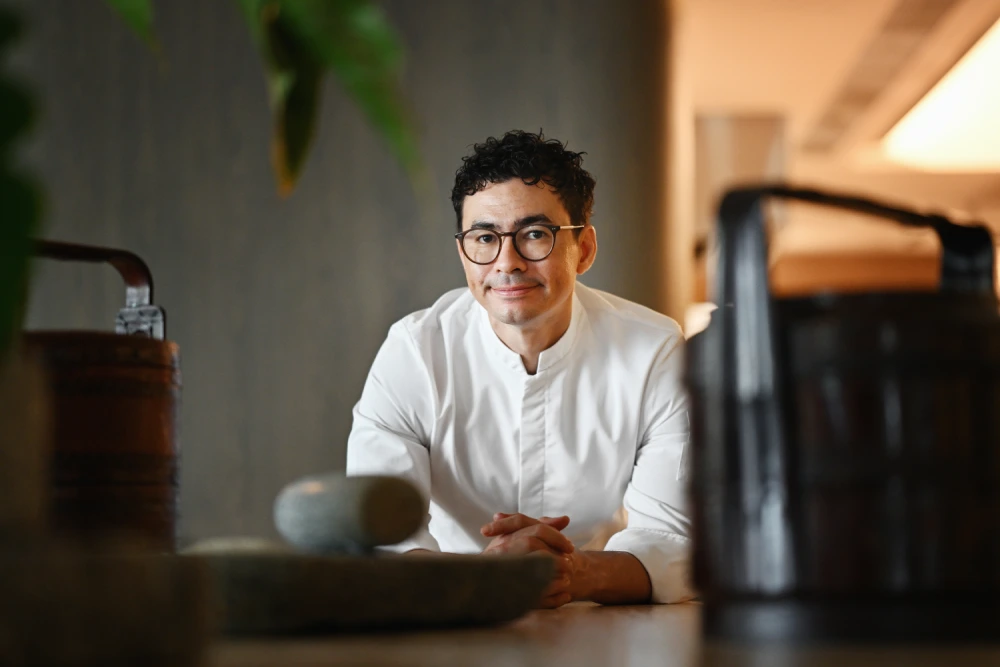
“A healthier menu also needs rhythm,” says Hashim. “Intensity followed by freshness, richer flavours balanced by acidity and spice, and portions that allow guests to enjoy the entire journey comfortably.”
PROVENANCE AS A FORM OF CARE
The new fine-dining luxury extends beyond the plate. Today’s guests want to understand not only what they are eating, but where it came from, how it was cultivated and who produced it. Transparency has become inseparable from trust, and from a more holistic definition of wellbeing.
For Ekkebus, traceability is directly connected to quality. Amber’s relationships with farmers, fishermen and producers have been built through years of collaboration. “Luxury today is as much about integrity as it is about rarity,” he says.
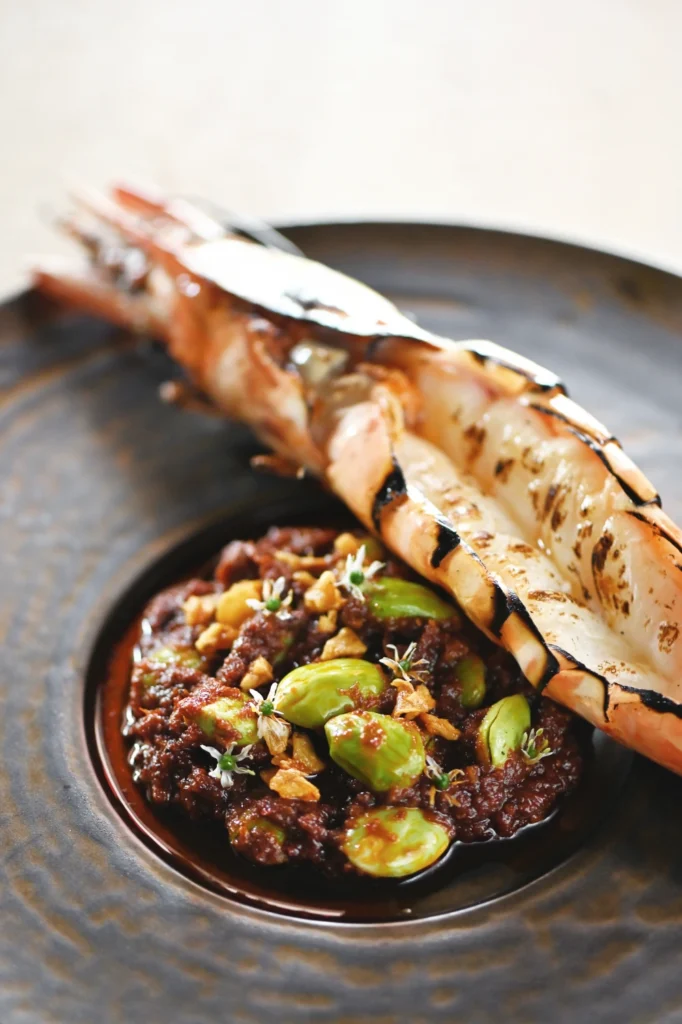
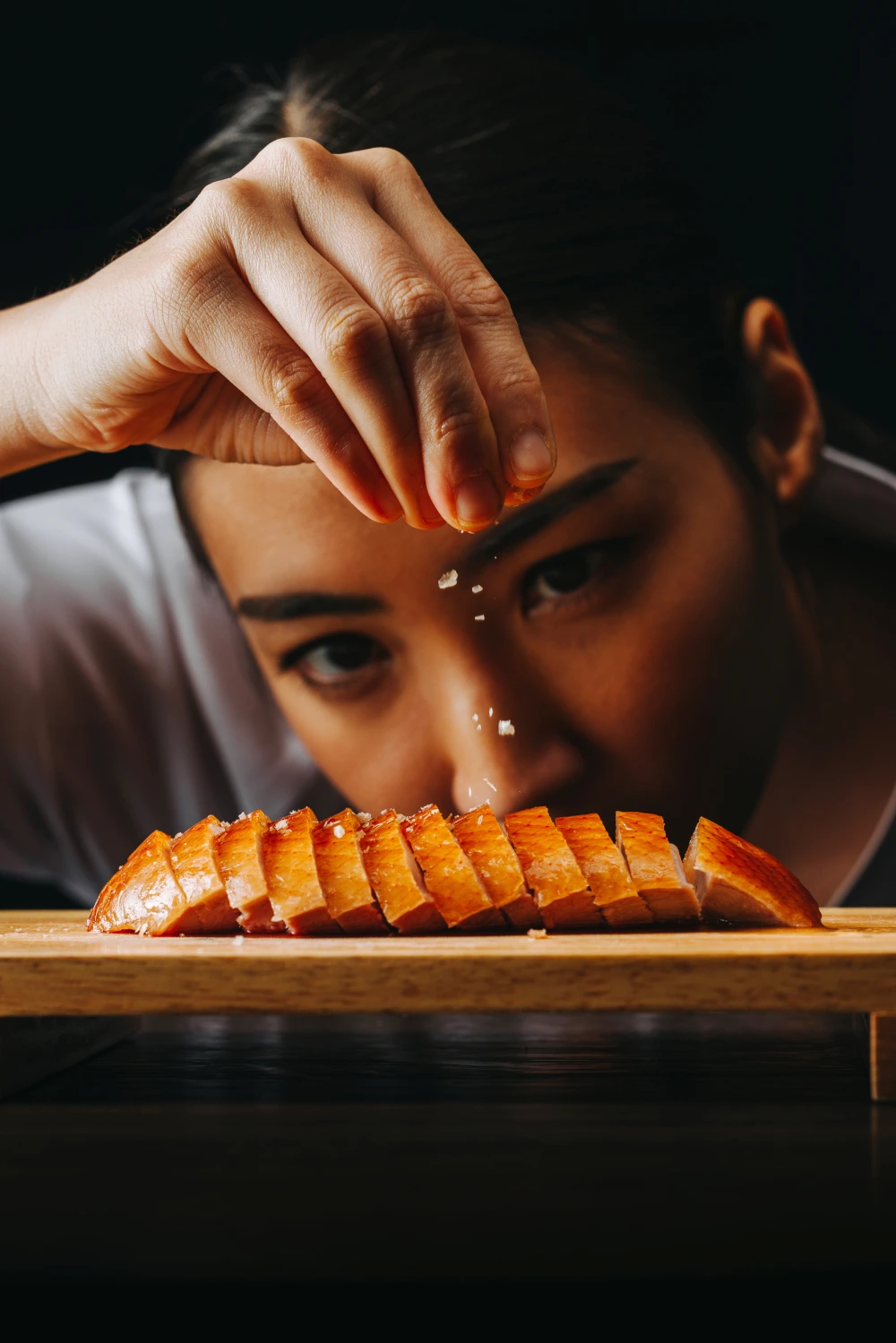
At POTONG, that care is visible in the restaurant’s relationships with farmers, fishers and specialist producers. Chef Pam spent almost a year identifying the right duck farm in Chachoengsao for the restaurant’s dry-aged duck, while its pad thai centres on tiger prawns from Nakhon Si Thammarat. The team maintains live tanks for fish and seafood, allowing ingredients to be cooked at their freshest.
Pam’s sister Michelin-starred restaurant Khao Sarn Sek embraces a concept built around five sacred Thai ingredients sourced from regional producers known personally to the team. Rare varieties of sticky rice — including Khao Niew Luem Pua, Phaya Luem Gang and San Pa Tong — connect the food to agricultural knowledge that has been preserved over generations.
For Hashim, transparency is an understanding of “the people, landscape and knowledge behind” every ingredient. The chef’s own memories of Lumut in Malaysia — spending time around estuaries and mangroves with his father, and watching his grandmothers grow produce, compost scraps and share seasonal ingredients — continue to inform his work.
“At the time, we did not call this wellness or sustainability,” he says. “It was simply a respectful and resourceful way of living.”

A MORE HUMAN DEFINITION OF HEALTH
This wider view of wellness also reaches into the kitchen itself. Chef Pam’s perspective on food and longevity shifted profoundly after becoming a mother. Where she once chased perfection in every course, service and detail, she now speaks of learning balance — not only in her food, but in how she cares for her team.
Following POTONG’s renovation, the restaurant invested heavily in its operational infrastructure, including fish tanks, walk-in cold storage and a dedicated back-ofhouse kitchen. It has also introduced wellness initiatives and placed greater emphasis on communication and staff development.
“If you want long-term loyalty and talent, you have to build places where people can grow and feel safe,” she says. “That’s part of my definition of health as a chef; it’s not just about what ends up on the guest’s plate. It’s also about how the people who cook it are treated.”
A timely reminder that the future of restaurant wellness cannot be confined to menu language. It must encompass the ecosystems that make exceptional dining possible: farmers and fishers, producers and suppliers, the kitchen brigade and front-of-house team, as well as the guest.
For today’s diner, luxury may still involve a rare ingredient, an exacting technique and an unforgettable room. But it is increasingly measured by something more lasting: the confidence that every element of the experience has been handled with care.
As Chef Pam puts it, the goal is for guests to leave feeling “right and light” — satisfied, but energised enough to continue their evening. At Amber, Ekkebus hopes diners leave nourished in every sense, with a renewed appreciation for the possibility that pleasure and responsibility can coexist. And at Fiz, Hashim wants guests to feel connected: to those around the table, a remembered flavour, and the landscapes and communities behind the meal.
This is the new luxury of fine dining — not less indulgence, but a more meaningful kind.
‘That’s part of my definition of health as a chef; it’s not just about what ends up on the guest’s plate. It’s also about how the people who cook it are treated’ – Pam Pichaya Soontornyanakij