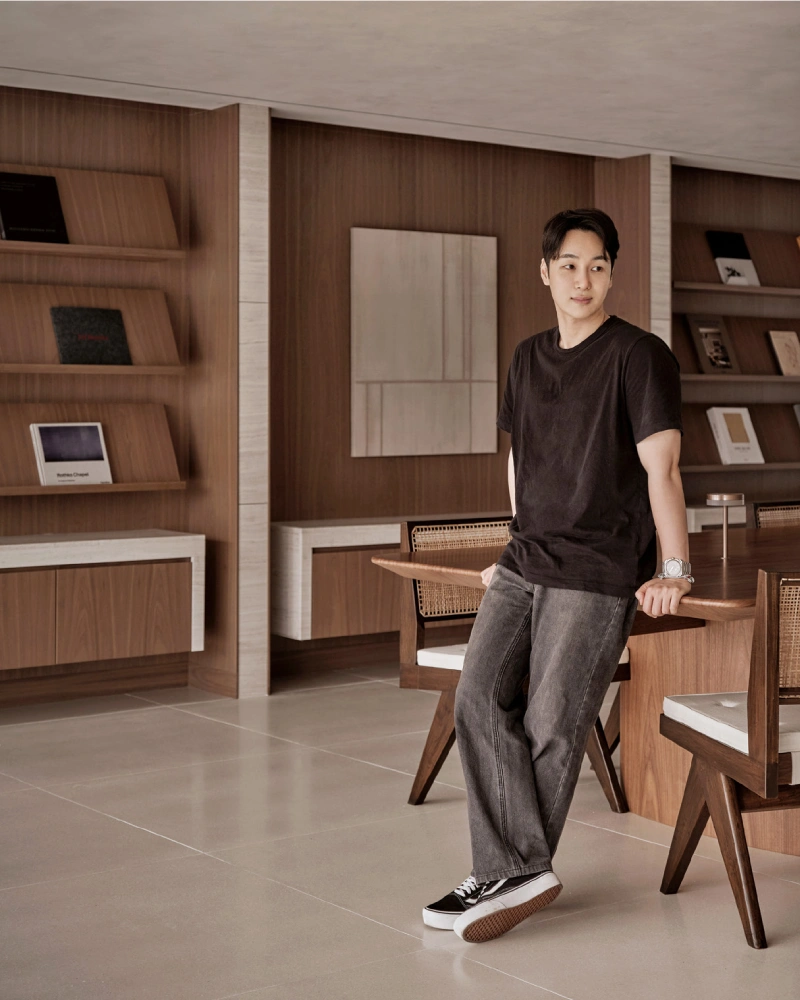


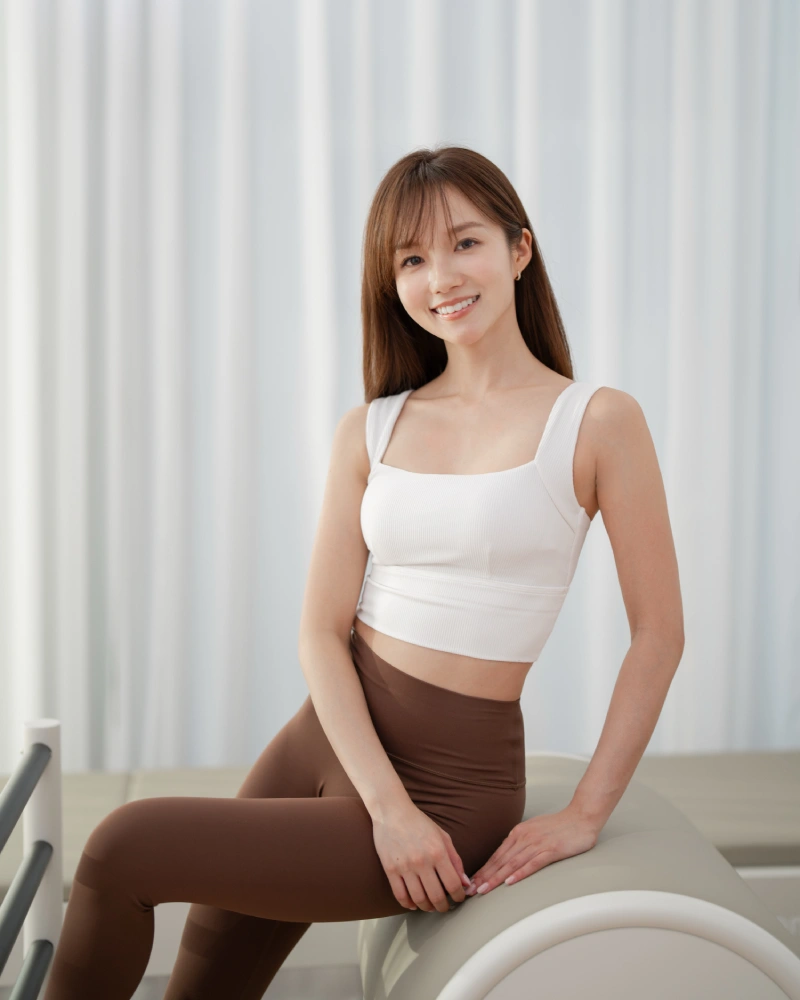
AMBER TANG
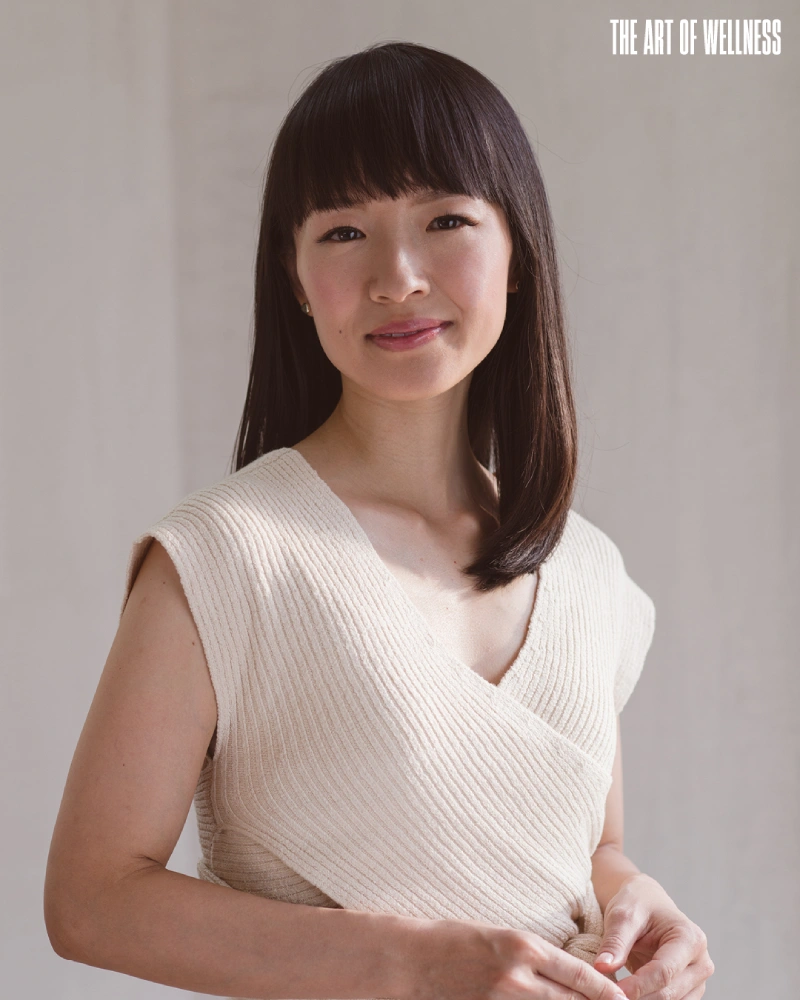
As a Pilates instructor, entrepreneur and content creator, how do you navigate the pressure to be ‘on’ all the time while protecting your own mental and physical health?
Honestly, it took me years to realise that being ‘on’ 24/7 isn’t sustainable or authentic. I’ve learned to schedule intentional downtime the same way I schedule meetings or shoots. Pilates itself has become my anchor; even on my busiest days, an hour of practice helps me reconnect with my breath and body. I also give myself permission to be quiet on social media when I need to recharge. My audience has grown with me, and I’ve found that showing up genuinely — even in stillness — resonates more than constantly performing. Protecting my energy isn’t selfish; it’s what allows me to keep creating with purpose.
Amya Wellness champions mindful movement. Which gaps in Hong Kong’s wellness culture were you hoping to address when you founded it?
Hong Kong is a fast-paced city where people often treat fitness as another item on their to-do list — push harder, sweat more, chase results. I wanted to create a space that slows things down and brings intention back into movement. Another gap I noticed was in instructor quality; many studios prioritise aesthetics over deep technical knowledge, which can compromise both safety and results. That’s why I pursued my training under an internationally recognised Pilates academy in Korea, where I was personally mentored by the Headmaster herself. I hope to bring world-class standards to Hong Kong and cultivate a community of highly trained instructors. Ultimately, I want Amya to be a place where people learn to listen to their bodies, not punish them.
How has your Miss Hong Kong journey and visibility shaped the way you talk about body image with your community?
Miss Hong Kong placed me under the microscope of modern society at an incredibly fast pace — every angle, kilogram, outfit was scrutinised almost overnight. It was overwhelming at first, but it taught me something powerful: beauty and health don’t come in any one specific type or shape. Everybody is unique, and trying to fit into a singular mould only leads to frustration and self-doubt. That realisation actually inspired Anadana, my activewear label designed for petite women — I wanted to celebrate bodies of all proportions, starting with the smaller frames that are so often overlooked. When I speak to my community, I steer the conversation away from size or appearance and towards how your body feels, what it can do, and how you can care for it. Visibility comes with responsibility, and I want to use mine to remind people that there is no right body — only the one that carries you through life.
How do you define functional strength in the context of everyday life, and what simple movements or training principles are your favourites for long-term health and mobility?
To me, functional strength means having a body that supports the life you want to live: carrying groceries up the stairs, sitting at a desk without back pain, travelling comfortably into your later years. It’s not only about lifting the heaviest weights; it’s about moving well and moving pain-free. This is especially personal for me because I have scoliosis, and Pilates has genuinely transformed how I manage it — strengthening the muscles around my spine, improving my posture and easing the discomfort that used to be part of daily life. My favourite principles are core engagement,
spinal mobility and breath control, all foundational in Pilates. Simple daily practices like hip rolls and cat-cow stretches make a huge difference. I always remind my clients: consistency beats intensity. Ten focused minutes a day will serve you better than one exhausting session a week.
What is wellness to you?
Wellness, to me, is alignment — when your body, mind and lifestyle are all moving in the same direction. It’s not a green juice or a perfect workout routine; it’s the quieter things like getting enough sleep, nourishing yourself properly, maintaining honest relationships and doing work that feels meaningful. It’s also about balance and self-compassion: allowing rest without guilt, enjoying a good meal without restriction, and understanding that wellness looks different at every life stage. For me, true wellness is being able to wake up feeling grounded in who I am and present in whatever I’m doing, whether that’s teaching Pilates, filming, or simply having dinner with my family.