


















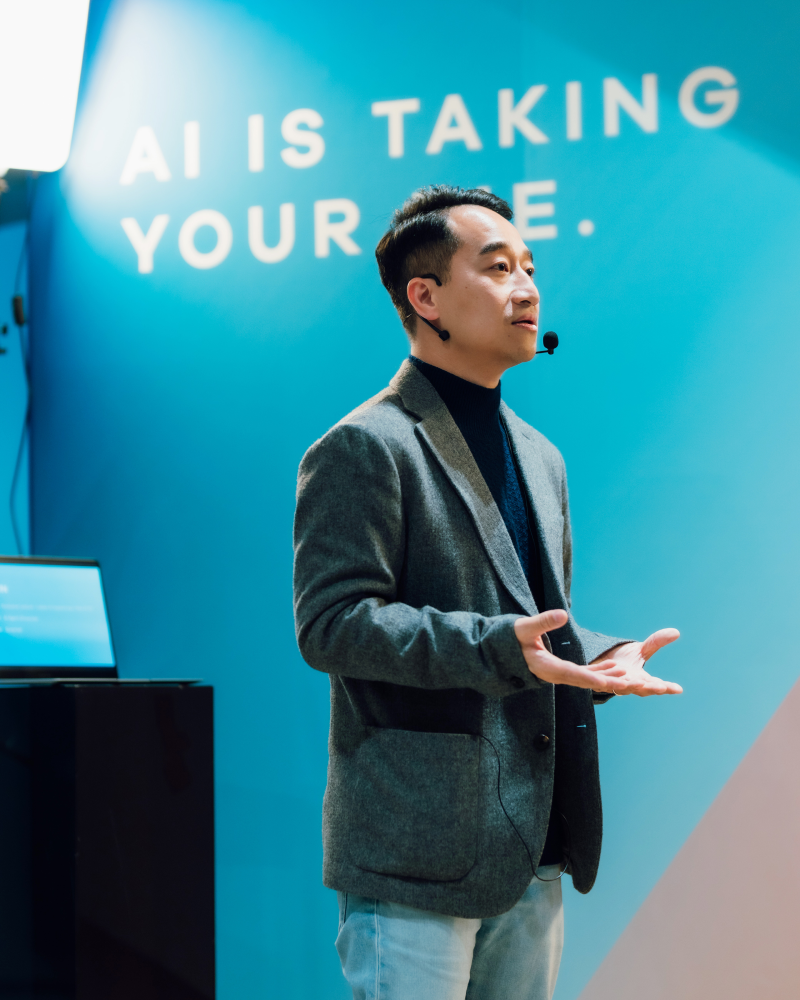

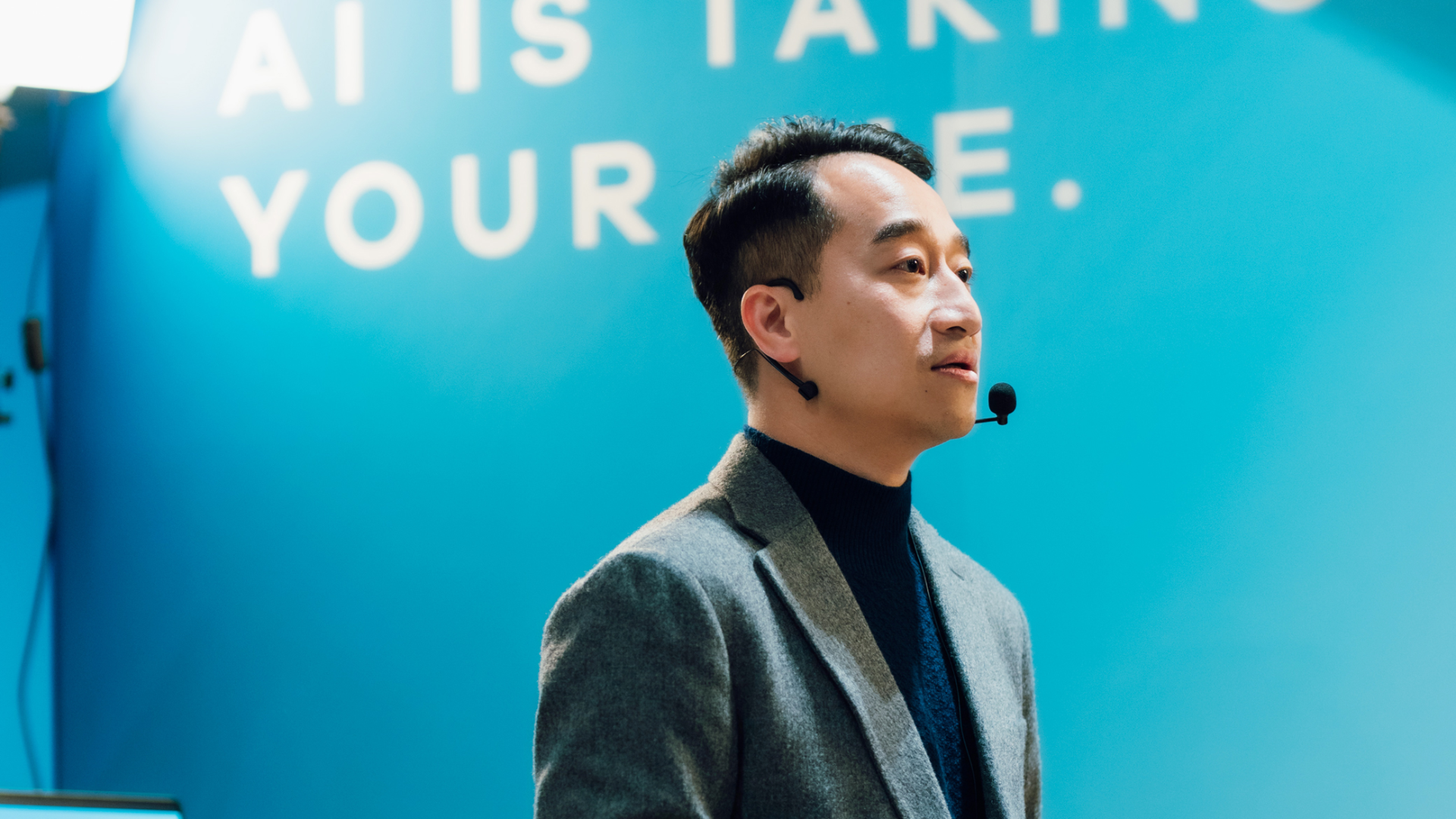

In a city where “always‑on” has become the default setting, Tommie Lo is rewriting what digital wellbeing can look like. As founder and CEO of Preface, he built his education platform on a simple belief: learning should be accessible and personalised for everyone.
Through programmes that champion “AI literacy before adoption”, Lo argues that wellbeing in a fast‑changing tech landscape isn’t about escaping technology but about understanding it deeply enough that it becomes a partner rather than a threat.
From using pen and paper to draw the line between digital augmentation and digital overload, to encouraging learners to build tools around their own interests, Lo sees wellness as the opportunity to focus on what makes us human.
You built Preface on the belief that “learning should be accessible and personalised for everyone”. How has this mission shaped your own understanding of wellbeing in a fast‑changing tech landscape?
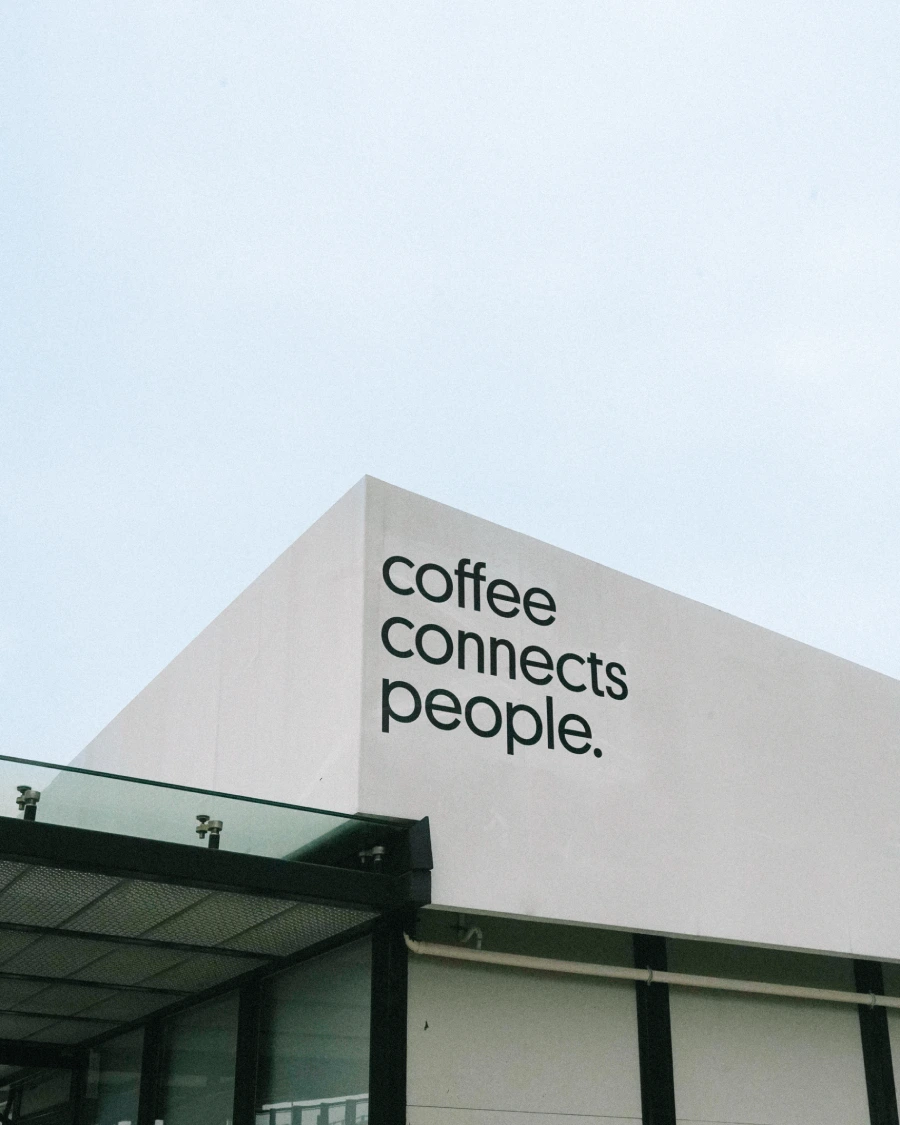
Wellbeing in a fast changing tech world isn’t about avoiding technology, it’s about understanding it. We call this principle AI literacy before adoption. My mission has taught me that true wellbeing comes from being empowered: when people understand the technology shaping their lives, they feel confident rather than anxious. By rethinking how learning is delivered, making it accessible in everyday environments, whether that’s a coffee space or a classroom, we can transform the feeling of tech overload into a sense of personal growth and capability.
How do you draw the line between digital augmentation and digital overload, especially when you’re immersed in AI tools every day?
The line is drawn with intentionality. I like to use pen and paper. Digital augmentation should serve your goals, not dictate your time. I use AI to handle most of repetitive tasks so that I can reclaim space for deep work, connection and reflection. When I feel overwhelmed, I disconnect entirely to reconnect with myself. Photography, for example, is a deliberate way for me to slow down and step away from the screen.
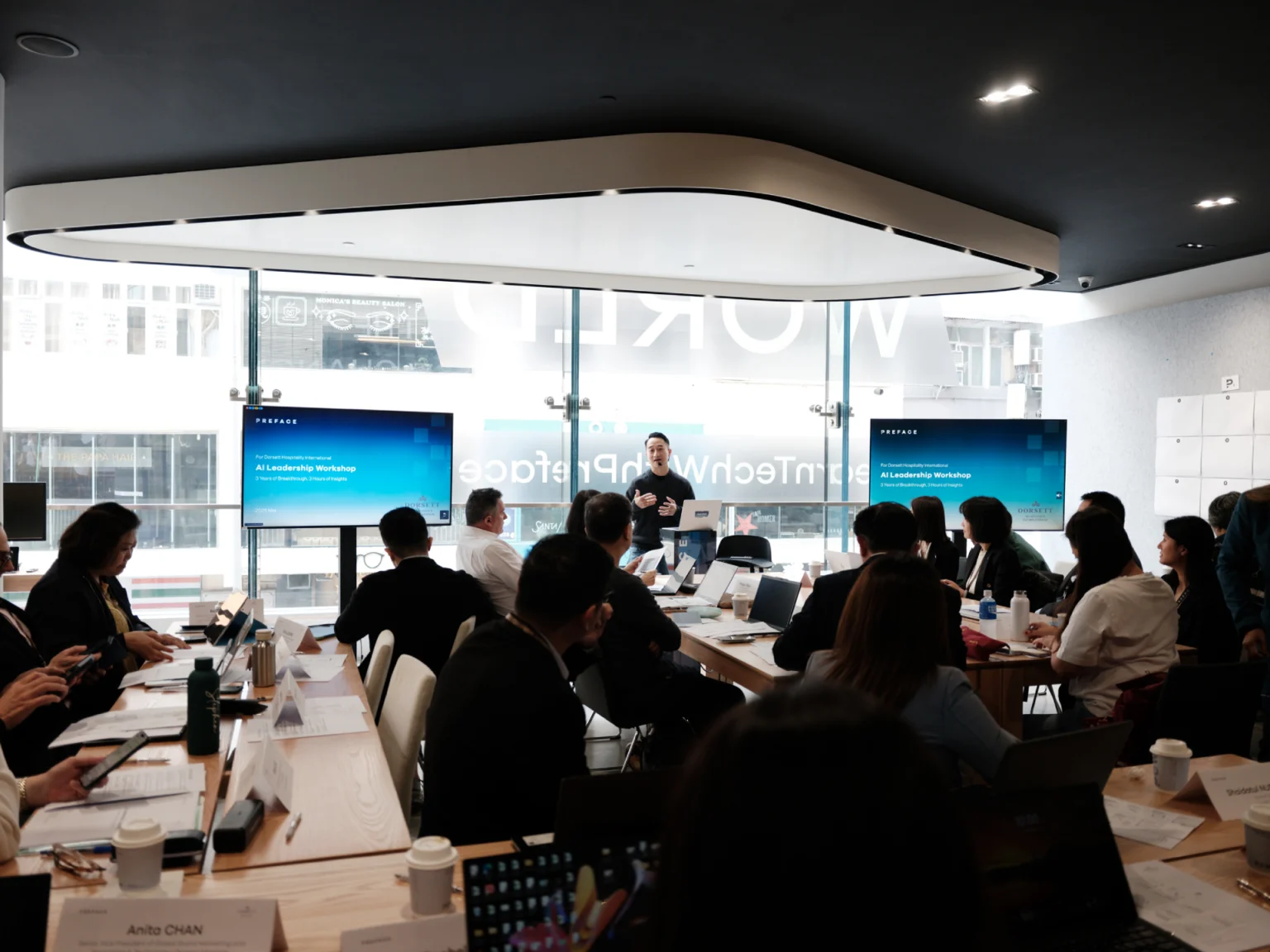
Many people feel both excited and anxious about AI. In your work, what have you learned about the kinds of support or education people need to move from fear to confidence?
When someone realises that AI can automate a tedious part of their workflow, their anxiety tends to turn into curiosity. Confidence comes from just starting, experimenting, making mistakes and discovering that technology can be a partner rather than a threat.
The deeper shift is moving people from being passive users to active architects of their own tools. AI cannot replace human communications. We try not to just teach the how, we also focus on the why, encouraging people to ask questions rather than simply follow instructions.
How do you see AI enhancing human wellbeing, rather than competing with it?
AI can enhance wellbeing by removing repetitive, tedious workloads from our daily lives. Whether it’s automating data analysis at work or personalising a learning path for a student, it allows people to focus on the creative, strategic and interpersonal aspects of life, the things that tend to make us feel most fulfilled. At its best, it acts as a force multiplier for human potential.
Have you changed any practices at Preface as you’ve learned more about the impact of “always‑on” tech work on mental health?
Absolutely. I encourage my team to find their own environments where they feel most comfortable and productive. While we work with technology every day, we also value analogue communication; notebooks and pens still appear in our meetings. We try to focus on output and impact rather than the hours spent in front of a screen.
How do you think AI reshapes the skills that individuals need to thrive, not just economically, but emotionally and socially?
There’s a well-known AI research paper, Attention Is All You Need. I think the title captures something important: in an age of infinite information, knowing where to direct your attention becomes the most valuable skill.
AI is changing how we think, work and learn. In the near future, communication skills will become increasingly important — the ability to ask the right questions, to frame problems clearly and to critically evaluate the outputs we receive. Emotionally, it pushes us to invest more in what makes us distinctly human: empathy, interpersonal connection and the capacity to ask why rather than just how.
In your programmes, how do you balance teaching hard technical skills with nurturing creative confidence and a healthy relationship with technology?
We try to ground technical learning in real world scenarios. Instead of teaching code in isolation, we apply it to projects that matter to young minds. When a child builds something connected to their own interests, a mini-game of their own design or a tool related to their hobby, the technical skill becomes a means of creative expression rather than an abstract exercise. That shift, from passive consumption to active creation, tends to build a healthier, more confident and curious relationship with technology from an early age.
What is wellness to you?
Wellness is having the freedom to be bold and pursue what you’re curious about. It’s finding an environment where you feel empowered and excited to learn. Ultimately, it’s the alignment between what you value and how you spend your time.
‘My mission has taught me that true wellbeing comes from being empowered: when people understand the technology shaping their lives, they feel confident rather than anxious’