


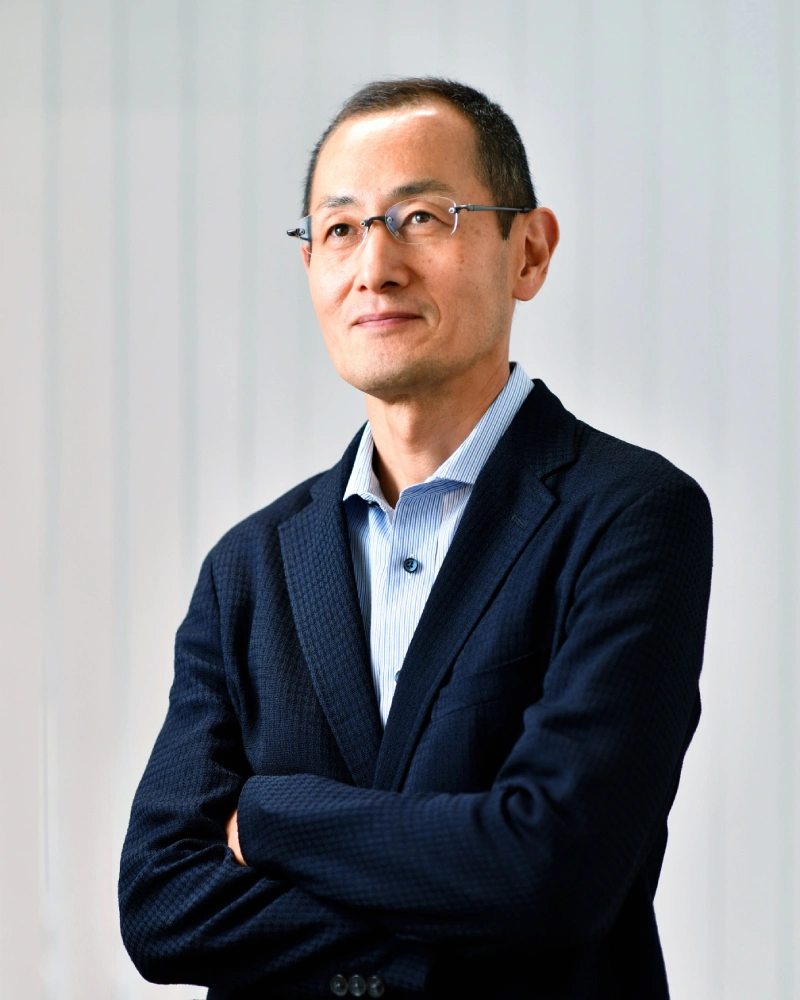
















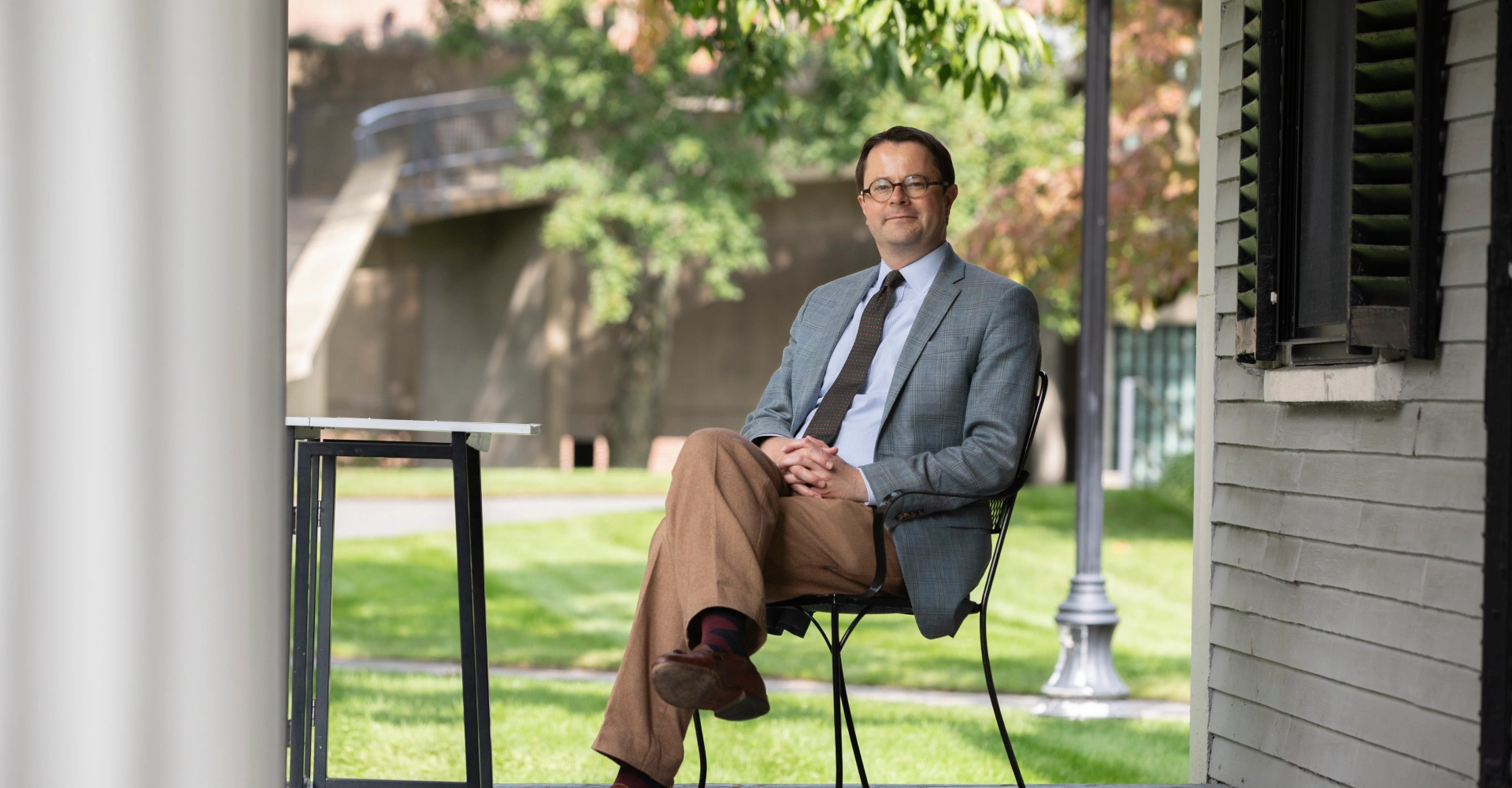

Harvard epidemiologist Dr Tyler VanderWeele’s intellectual curiosities were never confined to a single field, impelling an academic journey that spans mathematics, biostatistics, theology and philosophy.
Yet the common thread throughout his career has been an ongoing inquiry into a deceptively simple question: What does it mean for a life to go well?
In 2016, that question led VanderWeele to establish Harvard University’s Human Flourishing Program (HFP), a research initiative that brings rigour, data and philosophical depth to the study of wellbeing. His influential research defines the key dimensions of human flourishing and offers a framework to measure and promote it across institutions and cultures.
“In public health and the social sciences, much research focuses on narrow outcomes — specific diseases, income or psychological symptoms,” says Vanderweele. “These are important, but they don’t fully capture what people ultimately care about. People care about happiness, health, meaning, character and relationships. They care about whether their lives are good in a broader sense.”
HFP was founded to bring rigorous empirical research to these broader questions, explains VanderWeele. Its mission is to study and promote human flourishing and develop systematic approaches for synthesising knowledge across disciplines, as both flourishing and wellbeing are too important — and complex — to be left to any single field alone.
A Crossroads of Disciplines
VanderWeele’s wide-ranging background informs his integrative approach. “Mathematics and biostatistics provide tools for clarity and precision. Philosophy and theology offer conceptual depth, asking what constitutes a good life and why,” he says. “Finance and economics raise questions about incentives, institutions and material conditions. Epidemiology offers methodological rigour in studying outcomes over time.”
In this context, wellbeing is reduced to neither a psychological state nor to economic output. Drawing from a diverse array of backgrounds, HFP promotes humility about measurement, precision in definitions and caution in inferring causal conclusions, emphasising the importance of integrating empirical research with longstanding reflections on virtue, purpose and human fulfilment.
Defining Flourishing Globally
While wellbeing research has been criticised for being Western-centric, VanderWeele and his colleagues broadened that perspective through the Global Flourishing Study. Encompassing more than 200,000 participants across 22 countries, the project tracks how people experience and sustain flourishing worldwide. Using nationally representative samples and multiple waves of data collection, the measure has been translated into numerous languages and validated across cultures.
“In developing our flourishing measure, we focused on domains that are nearly universally desired and inherently valuable: happiness and life satisfaction, physical and mental health, meaning and purpose, character and virtue, close social relationships, and financial stability for sustainability,” says VanderWeele. Despite cultural variations, he notes, there is striking cross-cultural agreement that these domains matter.
The findings themselves challenge economic assumptions. Middle-income countries often report higher levels of meaning, stronger relational bonds and greater prosocial character than wealthier nations — a reminder that prosperity alone does not guarantee flourishing. This global lens enables a more nuanced understanding of what it means to live well.
The Habits that Help Us Thrive
VanderWeele’s research offers optimism: flourishing is not reserved for the privileged few but can be cultivated through daily habits. Among the most powerful? “Regular participation in meaningful community, particularly religious community for those who identify with a faith tradition, which is robustly associated with better health, longevity, lower depression and stronger relationships. The communal aspect appears especially important,” he says.
Evidence from longitudinal studies and randomised trials points to practices that enhance wellbeing across multiple domains: nurturing close relationships (especially healthy marriages), performing acts of kindness, practising gratitude, volunteering, and engaging in purposeful work. “Flourishing is multidimensional,” says VanderWeele. “No single practice ensures it, but small, consistent improvements often reinforce one another.”
Connection as Cornerstone
Close social relationships, VanderWeele finds, are among the strongest predictors of long-term wellbeing and longevity. “Loneliness is associated with a higher risk of depression, cardiovascular disease and mortality,” he says. “Conversely, strong relational ties — whether family, friendship or community — are associated with greater happiness, resilience and longevity.”
What matters most is not the number of connections, but their depth and stability. VanderWeele underlines the importance of shared values, mutual commitment and regular participation in communal life in creating the foundation for lasting flourishing. He says, “Social connection is not merely an addition to life, it’s the central component of flourishing and complete wellbeing.”
Flourishing in a Fast-Paced World
VanderWeele advocates approaching flourishing both holistically and incrementally. “Assess where things are going well and where they’re not,” he says. “Invest in relationships, as strengthening close social ties often produces cascading benefits across health and happiness.”
He highlights the value of service, gratitude and shared purpose. “Seek a transcendent goal — something that extends beyond yourself,” says VanderWeele. “Such engagement provides structure, meaning and support. Flourishing is multidimensional, and improvement in one domain often uplifts the rest.”