























We all know the struggle of getting through the day after a poor night’s sleep — relying on cup after cup of coffee until the inevitable mid-afternoon crash. But it’s not just how much we sleep that matters; what we eat plays an equally important role in sustaining our energy levels.
Experts agree that a diet rich in protein, healthy fats and antioxidants provides the steady fuel our bodies and minds need for peak performance.
If you’re looking for lasting energy that carries you through the day, these six foods can make all the difference.

Six Energy-Boosting Foods

Legumes
Beans, lentils and chickpeas contain iron and B vitamins such as folate, which are key ingredients in an energy-rich meal.
“Legumes are filled with a powerful combination of protein and fibre that provides a sustained energy release, helping prevent blood sugar spikes and subsequent crashes often associated with fatigue,” says Mackenzie Burgess, registered dietitian nutritionist and recipe developer at Cheerful Choices.

Eggs
“Eggs are a powerhouse for steady energy, with six grams of complete protein each to help stabilise blood sugar and prevent crashes,” Burgess explains.
Eggs also provide choline to support brain function and focus, along with B vitamins that help convert food into usable energy. Research from the University of Illinois suggests whole eggs may support more efficient protein use in the body compared with egg whites alone, highlighting the added benefits of the yolk.

Fatty Fish
Salmon, tuna, sardines, mackerel and herring all contain nutrients to keep you fuelled throughout the day.
“Fatty fish are rich in omega-3 fatty acids, particularly DHA, which helps support brain function, mental clarity and sustained energy,” says Burgess.
Emerging research suggests DHA may also support more efficient oxygen use during physical activity, helping combat fatigue and keep energy levels stable. It is recommended to aim for two servings of fatty fish per week.
Nuts
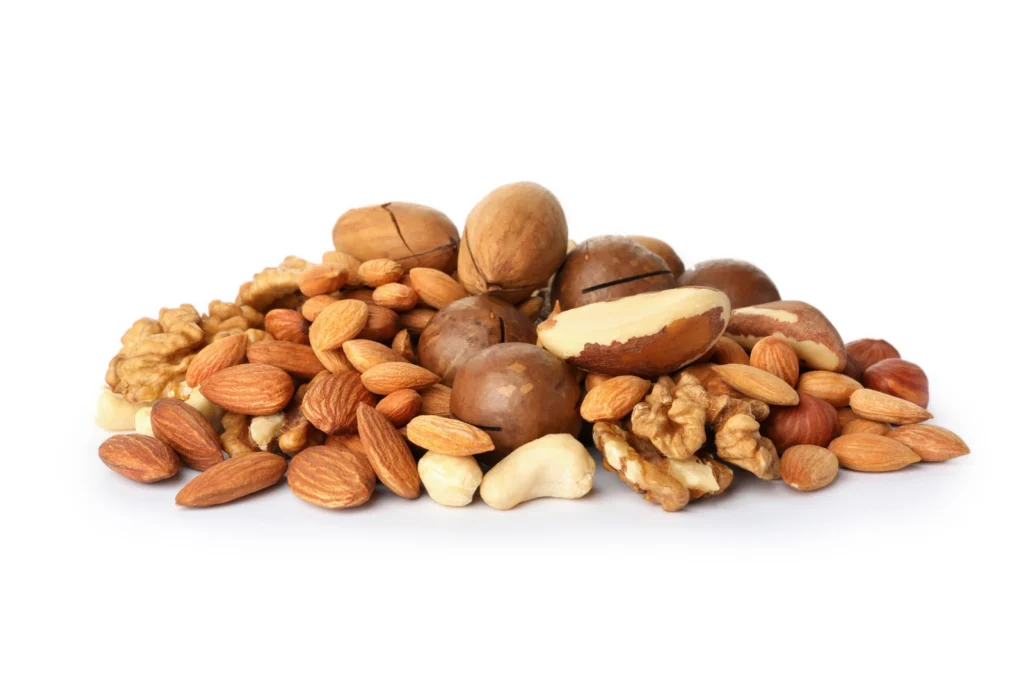
Whether you prefer walnuts, almonds or pistachios, all can give you that added boost you need.
“Nuts are a simple, nutrient-dense way to support sustained energy and brain function, thanks to their mix of protein, healthy fats and antioxidants,” says Burgess.
Many nuts also provide magnesium, a mineral that helps the body convert food into usable energy and supports healthy nerve and muscle function.

Leafy Greens
These include spinach, Swiss chard, kale and rocket.
“Leafy greens are rich in magnesium, iron, folate and vitamin C, nutrients involved in ATP (energy) production and oxygen transport,” says Dr Uma Naidoo, a nutritional psychiatrist and author of Calm Your Mind with Food and This Is Your Brain on Food.
Magnesium helps convert food into usable energy and supports calm, focused brain activity. Folate is essential for neurotransmitter synthesis, including dopamine, which influences motivation and alertness.

Fermented Foods
Miso, yoghurt, kefir, kimchi and sauerkraut are not only healthy for the gut but are also packed with energy-rich nutrients.
“Up to 90 percent of serotonin is produced in the gut, and gut microbes play a role in energy regulation and inflammation,” Dr Naidoo explains. “Fermented foods support beneficial bacteria that improve nutrient absorption, reduce fatigue-related inflammation and enhance mental clarity through the gut-brain axis.”