



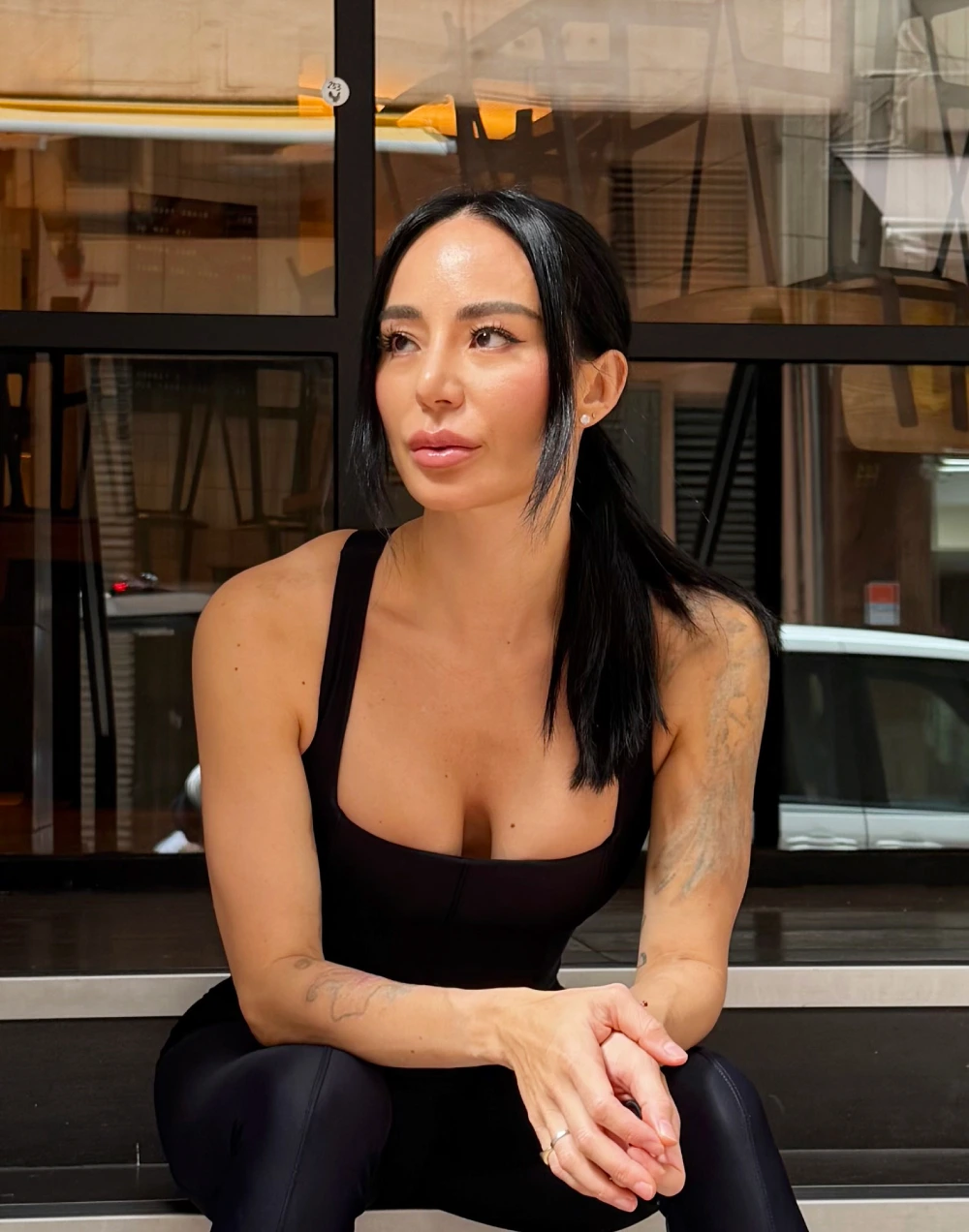



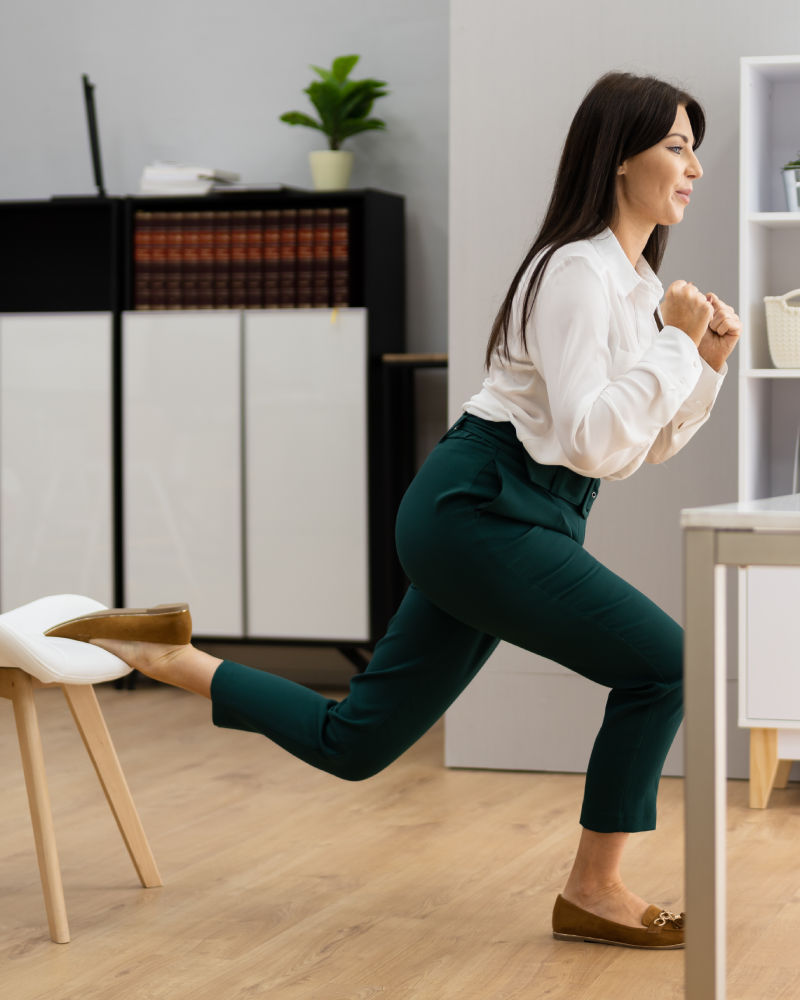


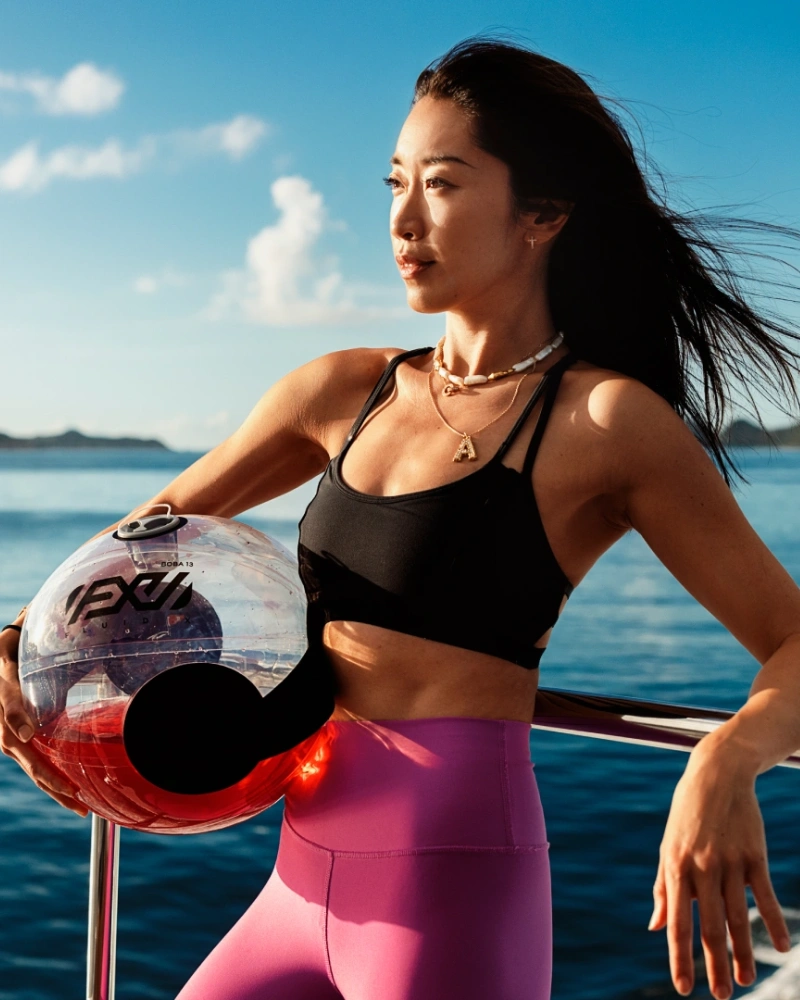
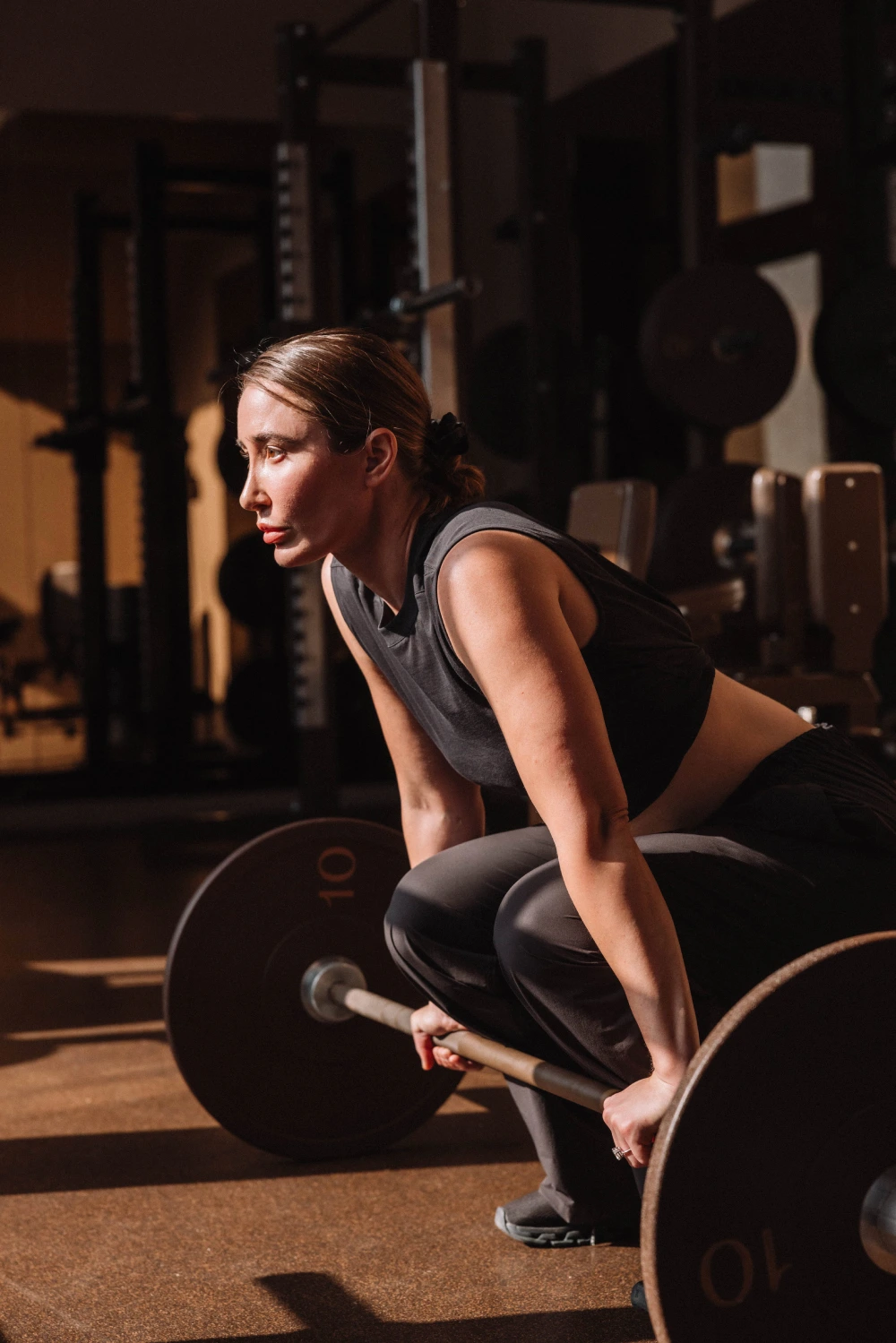
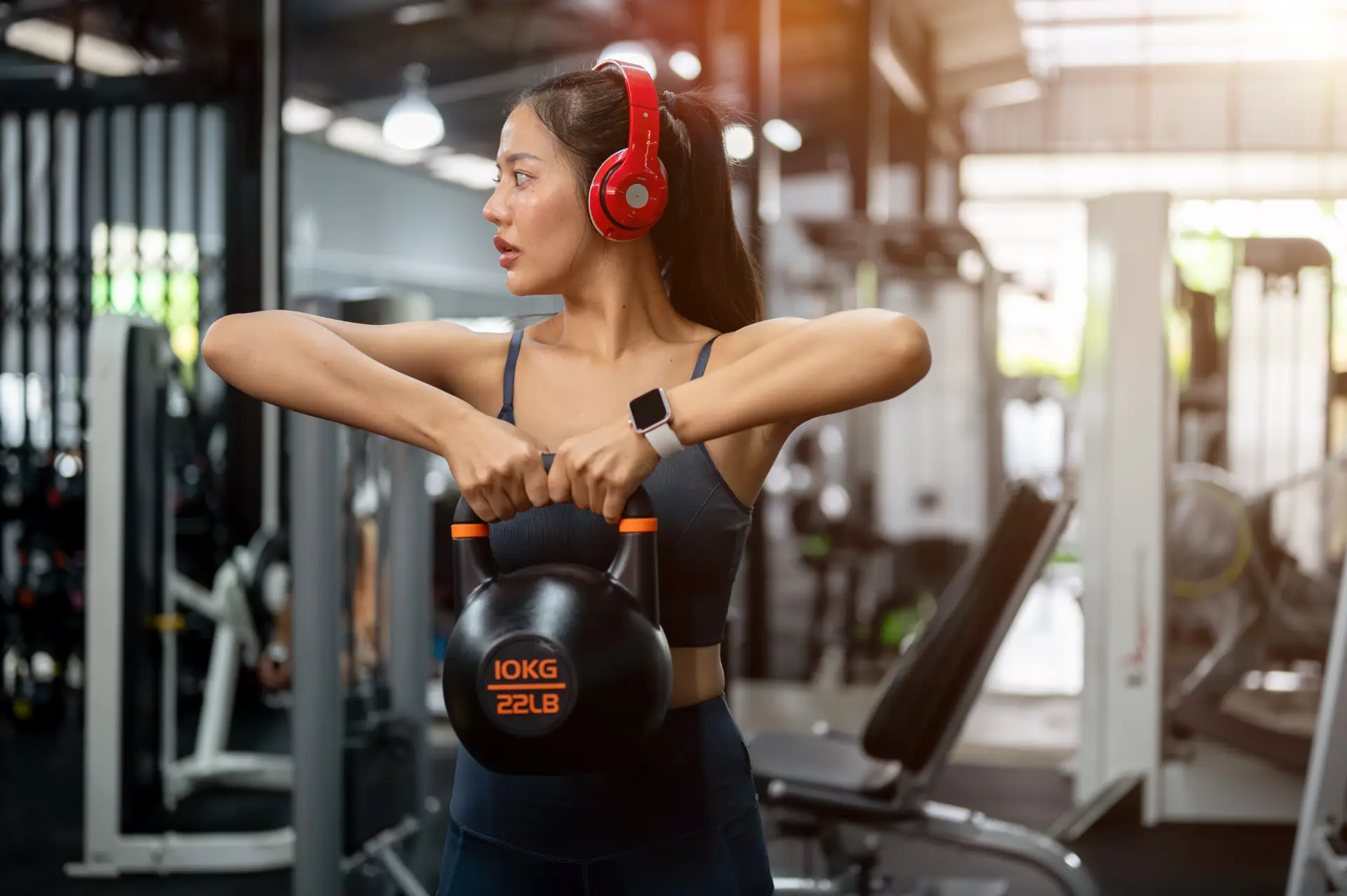

She has been spinning three mornings a week for six years. She eats carefully, sleeps reasonably well, and by every measure lives a health-conscious life. And yet, somewhere around her late 40s, something shifted.
The weight crept in around the middle. Her energy dipped. The body she thought she understood started to feel like a stranger.
She is not alone. For millions of women navigating perimenopause and beyond, the fitness rules they have lived by have quietly stopped working. The problem, emerging research suggests, may not be their effort. It may be their method.
As oestrogen declines, women lose muscle mass at an accelerated rate. Dana McSpadden, owner of High Definition Wellness Co and a performance and wellness strategist, puts the stakes plainly.
“Weight training is quite frankly the secret sauce for ageing backwards,” she says. “Once we hit 30, we women lose a minimum of 3 per cent of muscle per decade. Imagine how much that rate increases after menopause.”
The Heavy Lift
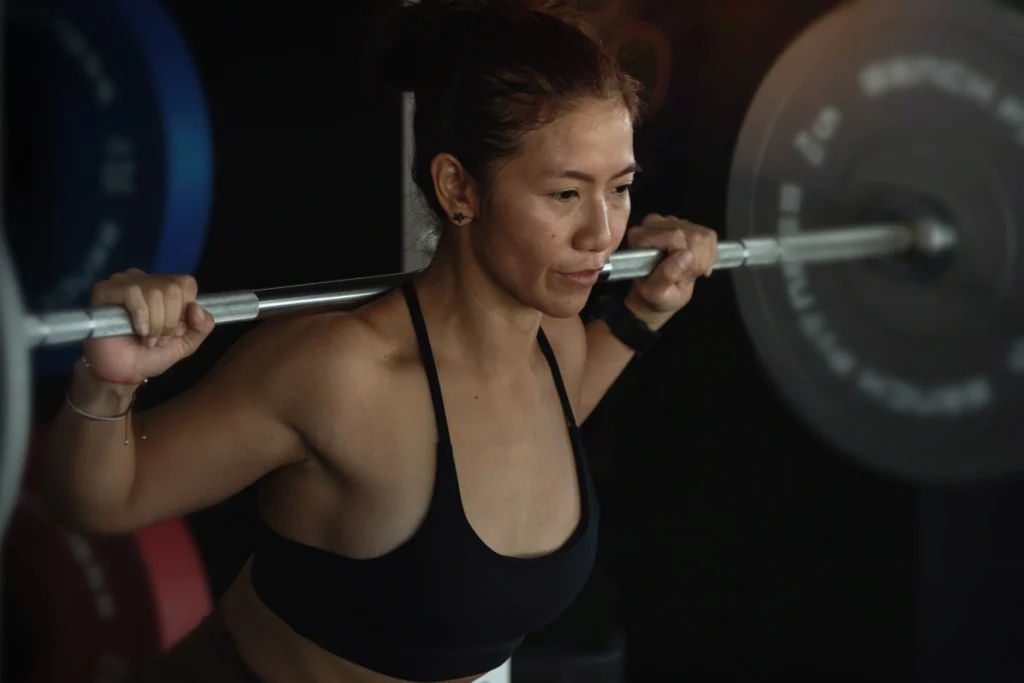
Stephen Holt, CSCS, finalist for IDEA Personal Trainer of the Year in 2025 and 2024, and the American Council on Exercise Personal Trainer of the Year in 2003, has watched this play out in real time. Women have long been ignored and patronised, with women over 50 especially steered towards pastel dumbbells and generic advice that bears little resemblance to what they are truly capable of doing.
“That never made sense to me,” he says. “Women’s muscles are the same as men’s, anatomically and physiologically. These women needed better programming, smarter progression, and coaching that respected their goals and their bodies.”
One reason that gap has been slow to close is that most women have never been taught what real strength training should feel like. “Strength training” means training in a way that’s proven to increase strength.
A major shift is that the call to lift heavier now comes with credible female voices behind it. Physicians like Dr Gabrielle Lyon and Dr Vonda Wright have helped make the message more trustworthy and more relatable for women. When women see female doctors and peers speaking openly about muscle, metabolism and heavy weights, the idea that lifting is for them lands faster.
Holt’s role now is not only to explain why lifting matters but to give women clear, lived proof that this training is normal, appropriate and powerfully effective in midlife.
“My advice for women under 50 is simple,” he says. “Build muscle now. Load your skeleton now. Get serious about progressive resistance training, enough protein and regular weight-bearing activity while your body is more responsive and recovery is usually easier. The women who do best later are usually the ones who spent their 30s and 40s building capacity.”
The Protein Equation
Protein sits at the centre of this conversation, and it is where many women are most under-resourced. Rob Wildman, PhD, RD, founder of the International Protein Board, and chief science officer for the western hemisphere at TCI Group, has spent decades trying to close that gap.
“Global protein recommendations were designed primarily to prevent deficiency and support basic human function,” he says. “They were not intended to fully optimise the many roles protein can play in health across the lifespan.”
More recent guidance suggests intakes of 1.2 to 1.6 grams per kilogram of body weight, a level Wildman considers better aligned with the evidence.
The reason older women need more, not less, comes down to anabolic resistance. As oestrogen declines, the body becomes less responsive to the signals that trigger muscle repair and growth, meaning each gram of protein does less work than it used to.
“One practical strategy is to ensure protein intake is higher than basic recommendations while also continuing to stay active with regular resistance training,” Wildman says.
Even Better Protein News
The benefits of protein extend well beyond the weight room. Dr Rebecca S Romero, MD, FAAN, and a board-certified neurologist with over two decades of clinical experience at ProCare Injury Specialists, points to brain health as a compelling and often overlooked reason for midlife women to prioritise their intake.
“A diet with higher protein intake has been linked to lower levels of amyloid-beta, a key marker of Alzheimer’s disease, suggesting it may help protect brain health over time,” she says.
Romero recommends starting the shift at breakfast, where most women are leaving the most protein on the table.
“Protein digests more slowly than carbohydrates and delivers a steady glucose supply to the brain,” she says, adding that common breakfast staples like toast, cereal and pastries spike and crash energy in ways that cloud thinking by mid-morning.
Her target is 20 to 30 grams of protein at the first meal, drawn from straightforward sources such as eggs, yogurt, cottage cheese or nut butters.
“Eating protein at breakfast helps you feel fuller and supports brain health, making it a simple and practical habit with meaningful long-term benefits,” she says.
Cardio Still Has Its Place
Not everyone believes the pendulum has swung far enough from the weight room. Stephanie Harris, creator of the HupSix training system, worries that the current enthusiasm for strength training risks distracting women from the leading cause of their death.
Heart disease kills more women than all cancers combined, and Harris is direct about what that means.
“Telling people the very form of exercise that directly improves heart function is optional is not just misleading. It’s irresponsible.”
Her critique is not a defence of ineffective cardio but a call for smarter cardio.
“Cardio done well means spending time in heart-rate zones that actually challenge your cardiovascular system,” she says. “Most women never experience this because they are told to count steps or burn calories. The real driver of cardiovascular improvement is intensity.”
Walking, she says, rarely delivers it. You could go for a 60-minute walk and only get about 10 minutes of moderate cardio. Steps measure movement. Heart-rate zones measure cardiovascular stress.
“The science says an optimal programme for a woman over 50 includes 150 minutes of cardio each week and functional strength training,” Harris says. “Longevity requires both muscle and heart capacity.”
The body is not working against you. It is asking for something different. The women thriving in their 30s, 40s, 50s and beyond are lifting heavier, eating more protein and pushing their hearts hard enough to matter.
What The Experts Recommend
- Progressive resistance training two to three times per week, prioritising compound movements with progressive overload.
- Protein intake of 1.2 to 1.6 grams per kilogram of body weight daily, distributed across meals, and built around complete, leucine‑rich sources.
- Cardio measured by time in heart-rate zones, not steps or calories. Aim for 150 minutes of moderate-to-vigorous intensity per week.
- Consider creatine monohydrate alongside core vitamins and minerals, choosing products with NSF or Informed Sport certification seals to ensure quality.